Septic System Installation: Everything Homeowners Need to Know
Quick Answer: A septic system installation starts long before any digging, with a soil and site evaluation that decides what kind of system your lot can support. The system itself is a buried tank that separates solids from liquid, plus a drain field where soil filters and treats the wastewater before it returns to the ground. In Texas, you need a permit and an approved plan based on that site evaluation, and in much of the state tight clay soils rule out a conventional drain field and call for an aerobic system instead. The tank placement, trench work, slope, and grading are what make the difference between a system that lasts and one that fails early. A professionally installed system commonly lasts 25 to 40 years or more when the soil, the design, and the dirt work are all done right.
You bought a few acres outside Amarillo, or maybe out past Canyon, and you are ready to build. Then it hits you that there is no city sewer line running to the property, which means everything that goes down a drain has to be handled on your own land. A septic system is how that works, and it is one of the biggest buried investments on a rural build. Get it right and you will not think about it for decades. Get it wrong and you will be smelling the mistake in the backyard within a year or two.
The trouble is that most homeowners have never had to think about how sewage gets treated, so the whole process feels like a black box. It does not need to. A septic system follows a logical order, and every part of it is driven by one thing: the ground it sits in. Out here in the Panhandle, where the soil can go from tight clay to sandy loam within the same county and a dry spell can flip to a hard downpour overnight, that ground matters more than the tank you pick. Here is what actually happens when a septic system goes in, and what decides whether it holds up.
How a Septic System Actually Works
Before the steps make sense, it helps to understand what you are installing. A conventional septic system has two main parts working together underground.
The first is the septic tank, a watertight container that everything from the house flows into. Inside, wastewater separates: the heavy solids settle to the bottom as sludge, grease and lighter material float to the top as scum, and the relatively clear liquid in the middle, called effluent, flows out the other end. The tank’s whole job is to hold the solids back so only liquid moves on.
The second part is the drain field, also called a leach field or absorption field, a network of perforated pipes laid in gravel trenches. Effluent trickles out of those pipes and into the soil, and the soil is the real treatment plant. Bacteria and the filtering action of the ground break down the pollutants as the water moves down through it, and clean water eventually rejoins the groundwater. That is the key idea most people miss: the soil does the final treatment, which is exactly why the soil evaluation comes first and matters most.
Step One: The Site and Soil Evaluation Comes First
No reputable installer picks a system before looking at your dirt. In Texas, a septic system has to be designed on the basis of a site evaluation that accounts for local conditions, and that evaluation is the foundation the whole project stands on.
A licensed site evaluator examines the property and analyzes the soil, usually by digging test holes to see the soil profile and running a percolation or soil texture analysis to measure how fast water moves through it. They are checking the soil class, the depth to any restrictive layer or groundwater, the slope, and how much room the lot has. Every number that follows, the size of the drain field, the type of system, where it can legally sit, comes out of this evaluation.
This is where Panhandle ground makes things interesting. Soil around Amarillo, Canyon, and Borger ranges from clay-heavy to sandy loam, and the two behave in opposite ways. Clay drains slowly, so it may need a larger drain field or a different design entirely, while sandy soil drains fast and needs safeguards so wastewater is treated before it moves through too quickly. Add the caliche layer common in this region, a cement-hard band of calcium carbonate that water barely penetrates, and you can see why guessing is not an option. The evaluation tells you what the ground will actually accept.
Step Two: Conventional or Aerobic
Once the soil is understood, the design follows, and the biggest fork in the road is whether the lot can support a conventional system or needs an alternative one.
A conventional system relies on good, absorbent soil to treat effluent in a standard drain field, and where the ground cooperates it is the simpler, lower-maintenance choice. But in many parts of Texas, soil analyses rule out conventional systems, because tight clay or shallow restrictive layers will not absorb effluent the way a standard drain field needs. That is common in Panhandle clay.
When conventional will not work, the answer is usually an aerobic system. An aerobic treatment unit injects oxygen into the tank, which ramps up the bacteria that break down waste and produces a much cleaner effluent, clean enough that it is typically dispersed through spray or drip lines over the yard rather than a buried gravel field. Aerobic systems handle difficult soils that would defeat a conventional design, but they have more moving parts and need regular maintenance to keep running. Which one fits your property is not a preference; it is a conclusion the soil hands you.
Tip: Have the soil evaluation done before you finalize where the house, driveway, and outbuildings will sit. The drain field needs a specific amount of usable, well-drained ground with setbacks from the home, the property line, and any well or water source. Planning the septic area first, rather than squeezing it in around a house that is already staked, keeps you from discovering too late that your best soil is under the garage.
Step Three: Permits and an Approved Plan
Septic work in Texas is regulated, and skipping the paperwork is a mistake that can force you to dig the whole thing back up. A permit and an approved plan are required to construct, alter, repair, extend, or operate an on-site sewage facility, which is the formal name for a septic system.
Here is the part that confuses people: the state environmental agency writes the rules, but it is usually not the office that issues your permit. In most areas that authority is delegated to a local agent, often the county or a local health department, which reviews the plan, issues the permit, and inspects the finished work. The installation also needs to be done by a licensed installer working from that approved design. Because the specific authority and requirements vary from one county to the next across the Panhandle, confirm who permits septic systems where your property sits, since this is general information rather than legal advice, and a licensed installer handles this routing as a matter of course.
Step Four: Installation Day and the Dirt Work That Makes It Last
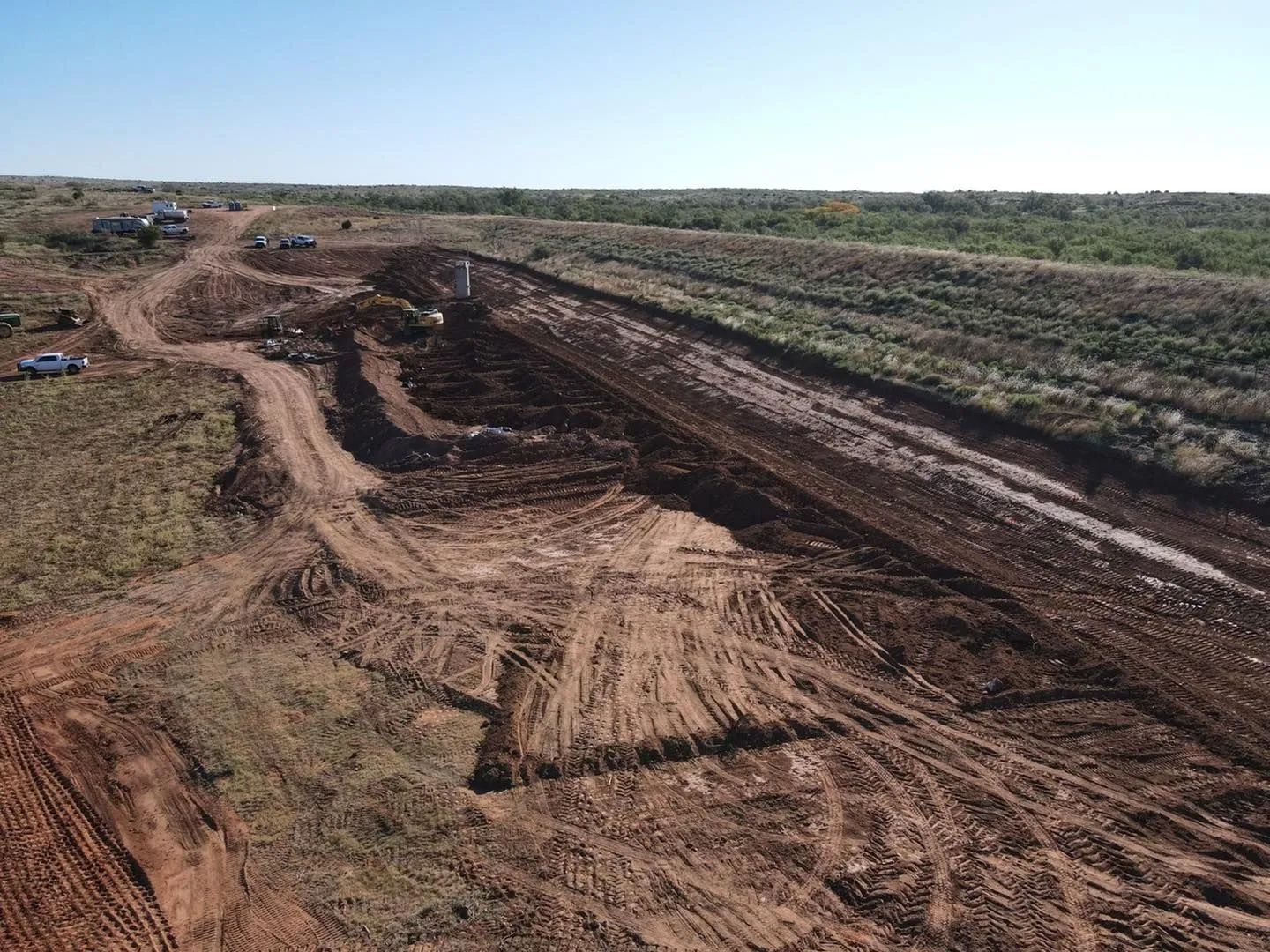
With the design approved, the physical install begins, and this is where excavation skill quietly decides the system’s lifespan. A great deal of septic failure comes not from bad equipment but from bad dirt work.
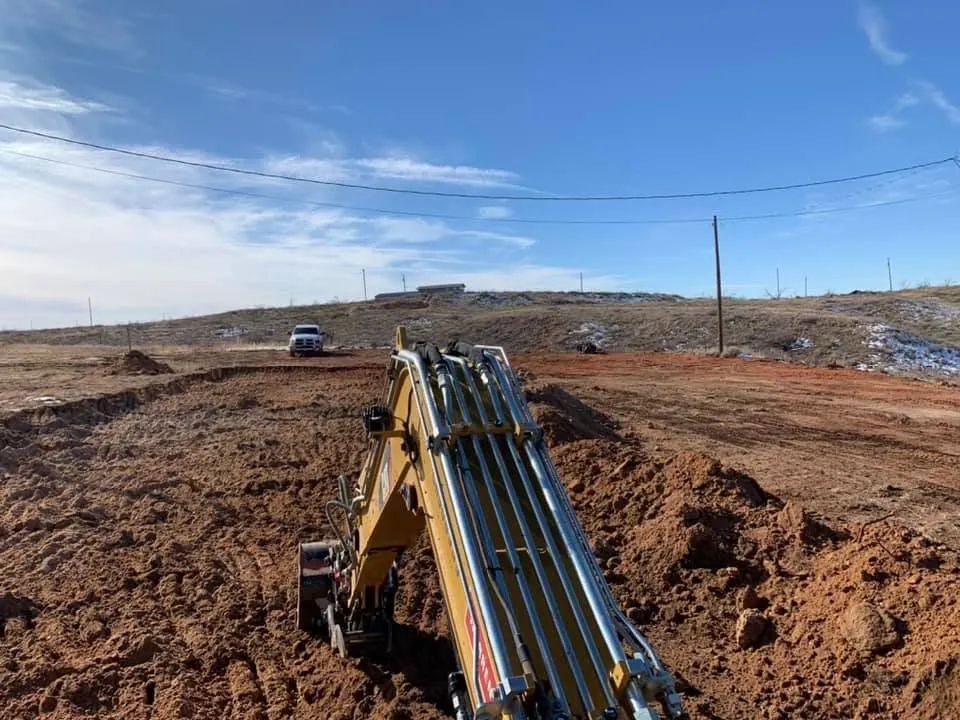
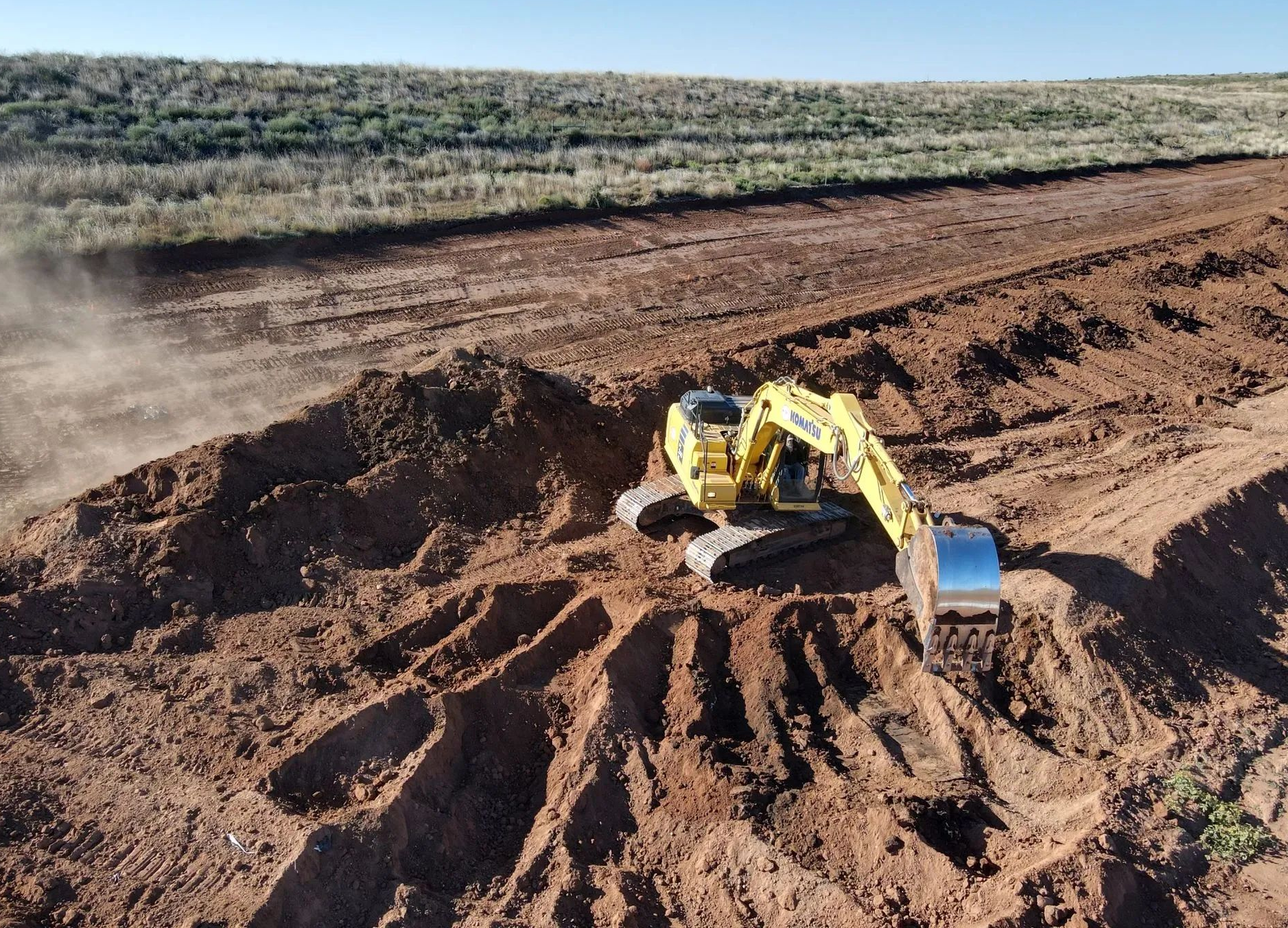
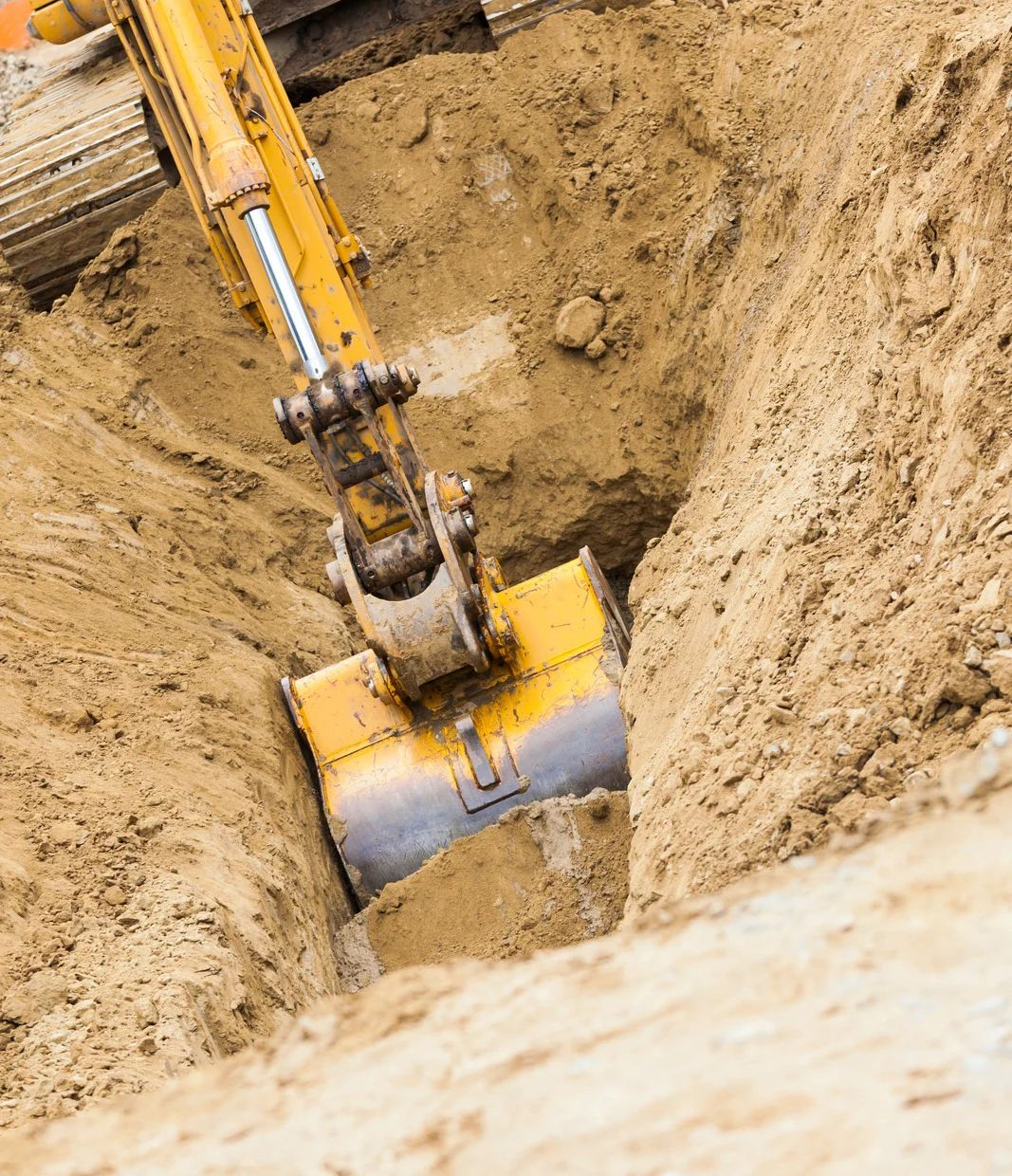
The tank gets set on a stable, level base so it will not shift or settle, positioned for both proper flow and future access, since a tank you cannot reach is a tank you cannot pump. The drain field trenches are dug to precise depth and slope, because effluent has to move by gentle gravity, and a trench that is too steep, too shallow, or unevenly bedded will not distribute water the way it should. Proper spacing, bedding, and compaction control all come into play, and on rocky or caliche ground that means the right equipment to cut clean trenches without smearing and sealing the soil surface.
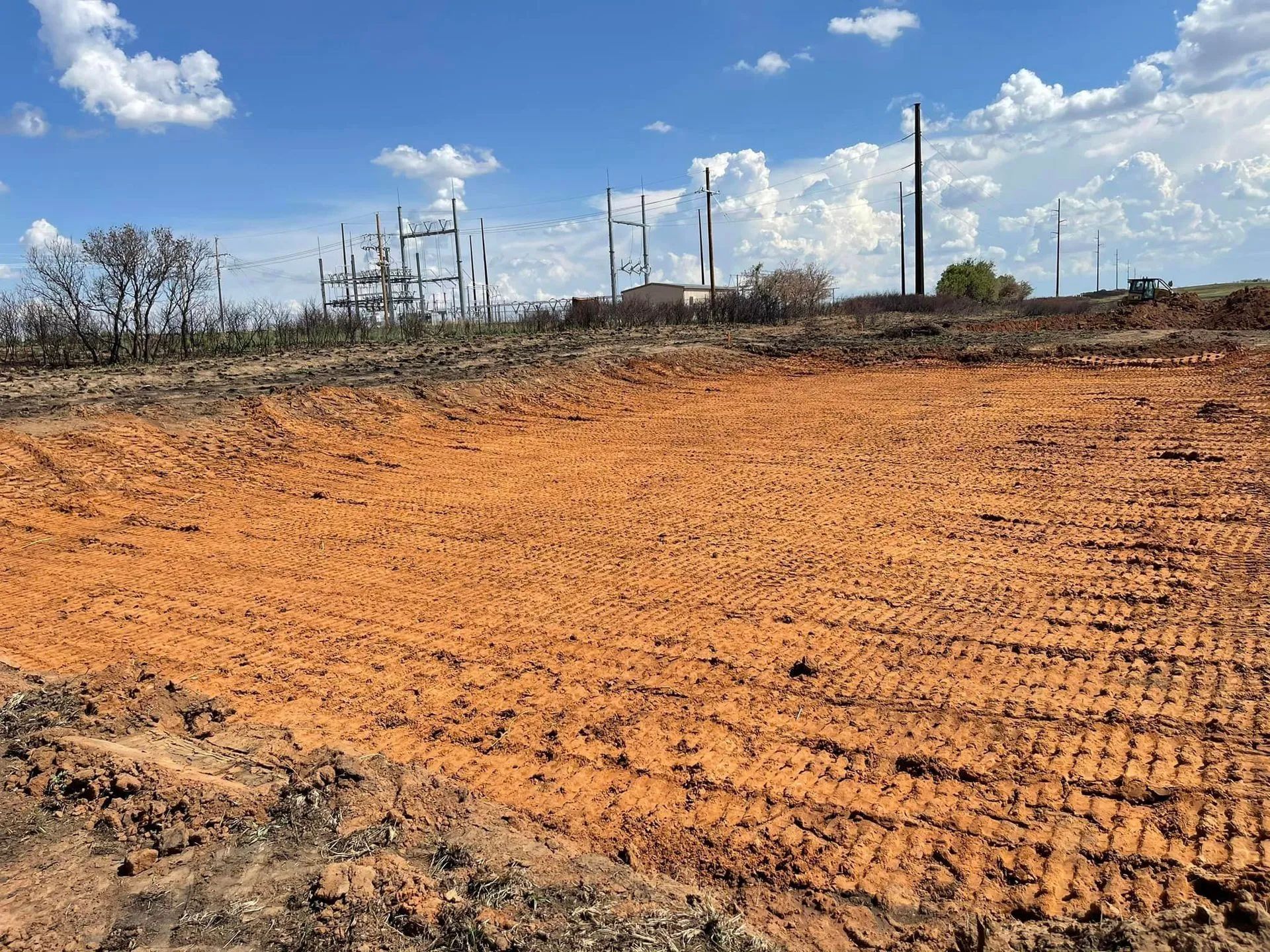
Grading around the system is its own safeguard. Surface water pooling over a drain field oversaturates the soil and stops it from treating effluent, so the finished ground is shaped to shed rain away from the field. That matters a lot in Panhandle weather, where a long dry stretch can break into a fast, heavy downpour that dumps more water on a bare field than the soil can take at once. Directing that runoff away is part of the install, not an afterthought.
Warning:
Never let a septic system get installed without the required inspection before the trenches are backfilled. Once the tank and drain field are covered, any mistake in slope, bedding, or connection is hidden underground and expensive to reach, and problems from a bad install often do not surface for months or years. The inspection while everything is still open is the one chance to confirm the work is right before the dirt goes back on top.
Step Five: Inspection, Backfill, and Final Grade
The job is not finished when the pipe is connected. Before anything gets covered, the local authority typically inspects the installation to confirm it matches the approved plan, the right chance to catch a problem while it is still easy to fix.
Once it passes, the crew backfills carefully around the tank and over the drain field, avoiding heavy compaction on the field itself that could crush pipe or choke the soil. The site is then graded to its final shape so water sheds away from the system and the ground is left stable. Done right, you are left with a yard that looks like nothing happened and a system quietly working beneath it.
What Determines How Long It Lasts
A professionally installed septic system commonly lasts 25 to 40 years or more, but that range is not luck. It comes down to a few things working together: the quality of the installation, the match between the system and the soil, the drainage around the field, and how the household uses water.
Installation quality is the part you control by who you hire. Correct tank placement, accurate trench depth and slope, proper bedding, and grading that manages surface water all reduce the stress on the system over decades. Overloading it with water is the part you control day to day, since running every appliance at once, leaking fixtures, or heavy continuous use can flood a tank and drain field faster than they can recover. Treat the system well and match it to the ground, and it will outlast most of what else you build on the property.
Frequently Asked Questions
How do I know whether my lot needs a conventional or aerobic system?
The soil evaluation decides it, not preference. A licensed evaluator tests how your soil absorbs water, and if the ground drains well a conventional drain field may work, while tight clay or shallow restrictive layers usually call for an aerobic system that treats waste more thoroughly before dispersing it. In much of the Panhandle, clay soil pushes properties toward aerobic designs.
Do I really need a permit to install a septic system in Texas?
Yes. A permit and an approved plan are required to construct or operate an on-site sewage facility, and the permit usually comes from a local authorized agent such as a county or health department rather than the state directly. Installing without one can lead to fines or a forced redo, so confirm the requirements for your specific county before starting.
How long does the installation process take?
The digging and setting can go relatively quickly, but the full process is longer because the site evaluation, system design, and permit approval all come first and take lead time. Planning the septic system early in your build, rather than at the end, keeps it from holding up the rest of the project.
Why does the soil matter so much for a septic system?
Because the soil, not the tank, does the final treatment of the wastewater. Effluent leaving the tank is filtered and broken down as it moves through the ground, so the soil’s ability to absorb and treat water determines the system’s size, type, and location. Poor or misjudged soil is behind a large share of septic failures.
What are the signs a septic system was installed poorly?
Slow drains, recurring backups, standing water or unusually lush grass over the drain field, and sewage odors are common red flags. These often trace back to incorrect tank placement, insufficient slope, or an undersized drain field, problems that hide underground until they surface. Careful installation to the approved design is what prevents them.
Can I add a septic system to a property that already has a house?
Often yes, though it depends on available space, soil, and setbacks from the home, property lines, and any water source. Existing structures can limit where a compliant drain field will fit, which is why a site evaluation is the first step even on a developed lot. The evaluation shows whether the room and soil are there.
Getting a System That Works for Decades
A septic system installation is far less about the tank and far more about the ground and the dirt work around it. The soil evaluation sets the plan, the plan sets the system, and the trenching, slope, tank placement, and grading decide whether it quietly serves you for decades or fails before you have paid it off. On Panhandle ground, where clay, sand, and caliche can trade places across a single property and the weather swings from bone-dry to downpour, that groundwork is everything. Start with the soil, respect the permit, and put the system in the hands of someone who treats the excavation as carefully as the pipe, and you end up with a system you can forget about in the best way.
Get your septic system installed on the soil your Amarillo, Canyon, and Borger, Texas property actually has — When you are building on a lot with no city sewer, the system only lasts if the soil evaluation, the design, and the trench and grading work all line up, and that is exactly where a poor install shows up years later. With 10
years of experience, Coles Custom Dirt Work
evaluates your soil, installs conventional and aerobic systems sized to the ground, and treats the excavation, slope, and drainage around the drain field as carefully as the tank itself, so wastewater flows right and surface water stays off the field. Reach out to plan your septic installation before you stake the house.