Top Site Preparation Tips to Ensure a Strong and Safe Construction Start
Proper site preparation is the cornerstone of any successful construction project. Whether you are planning a residential build, commercial development, or infrastructure project, laying a solid groundwork is crucial to ensure safety, efficiency, and long-term stability. A well-prepared site reduces the risk of delays, structural issues, and costly mistakes, providing a clear roadmap for every stage of construction. Understanding the principles of site preparation allows builders, contractors, and property owners to mitigate risks while optimizing resources, timelines, and project outcomes.
Site preparation involves more than simply clearing land. It encompasses a series of strategic steps, including surveying, grading, excavation, soil testing, and ensuring proper drainage. Each task directly affects the strength and durability of the foundation and the overall structural integrity of the project. In today’s construction industry, where safety regulations, environmental concerns, and technological advancements play a significant role, following expert guidelines for site preparation is not optional—it is essential. This guide provides actionable tips, practical insights, and expert recommendations to ensure your project starts on solid footing, minimizing risk and setting the stage for long-term success.
1. Conduct a Comprehensive Site Assessment
Soil Analysis and Testing
The first step in site preparation is understanding the soil conditions in detail, as soil quality significantly affects foundation design, drainage solutions, and the choice of construction materials. Conducting thorough soil testing—such as compaction tests, bearing capacity tests, and soil classification—helps identify potential challenges like weak or expansive soils, high clay content, or contamination that could compromise construction stability.
Topographical Survey
A topographical survey maps the contours, slopes, and elevations of the land in precise detail. This critical information guides excavation, grading, and drainage planning while ensuring optimal site design. For instance, a slope toward the building area could lead to water accumulation near the foundation, increasing the risk of flooding, erosion, and potential soil instability. By identifying these features in advance, construction teams can implement corrective measures, such as retaining walls or grading adjustments, ensuring a stable and level foundation throughout the project.
Environmental and Legal Considerations
Assessing environmental restrictions, protected areas, and local building codes is critical for legal compliance and project success. Ignoring regulatory requirements can cause costly delays, fines, or even project termination in extreme cases. Understanding zoning laws, setback requirements, floodplain restrictions, and environmental impact considerations ensures full compliance while helping plan an efficient site layout that meets both safety and sustainability standards.
2. Land Clearing and Vegetation Management
Removing Trees, Stumps, and Brush
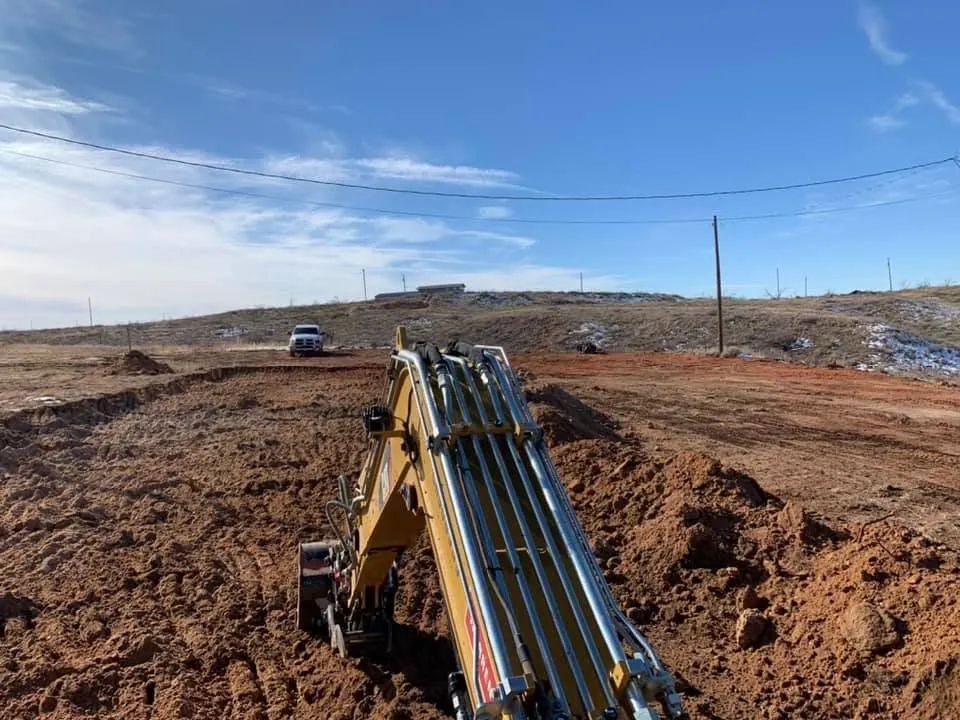
Clearing the construction site is more than simply removing visible obstacles or surface debris. Trees, stumps, and dense brush can hinder excavation, grading, and utility installation if not properly removed. Specialized equipment like bulldozers, excavators, and stump grinders can efficiently remove vegetation, leaving a clear area for construction activities while reducing future complications or hazards.
For example, in residential projects, leaving even small stumps can interfere with proper foundation placement, utility trenching, and drainage, leading to long-term structural issues. A comprehensive clearing plan ensures that all vegetation, including stubborn roots and debris, is properly removed to maintain site integrity and avoid construction delays.
Managing Hazardous Materials
Certain vegetation or debris may contain toxins or pose fire and environmental risks. Identifying and safely removing hazardous materials protects workers, prevents contamination, and reduces liability concerns. Additionally, managing organic waste through proper disposal, composting, or mulching practices ensures soil health, keeps the site clean, and promotes safe construction conditions.
Preserving Important Natural Features
While clearing is essential, preserving valuable features like mature trees, wetlands, or natural drainage channels can add both aesthetic appeal and functional benefits to the property. A strategic approach balances site preparation with environmental stewardship, creating a sustainable, visually appealing, and functional construction environment for long-term property value enhancement.
3. Excavation and Grading Techniques
Proper Excavation Planning
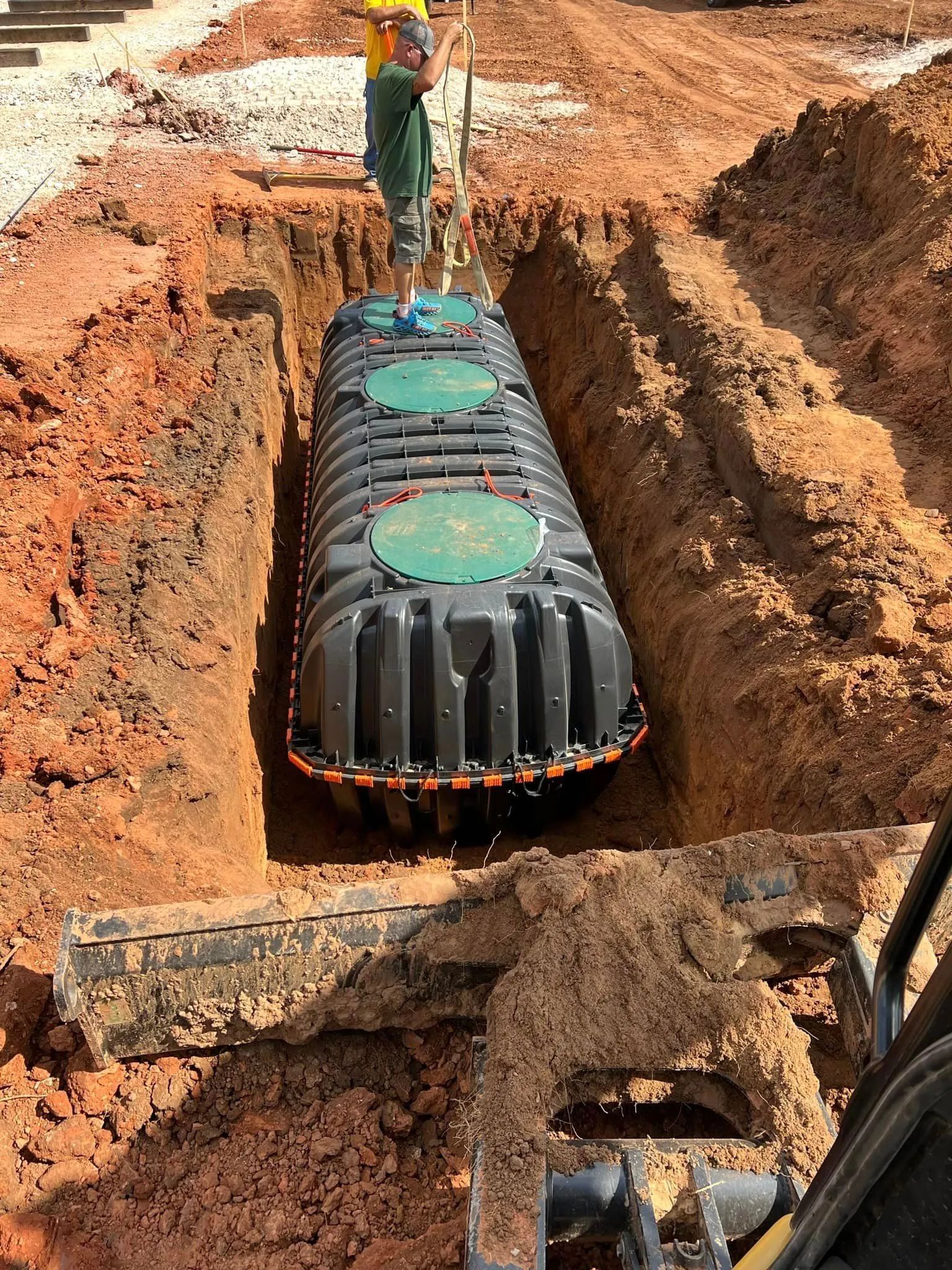
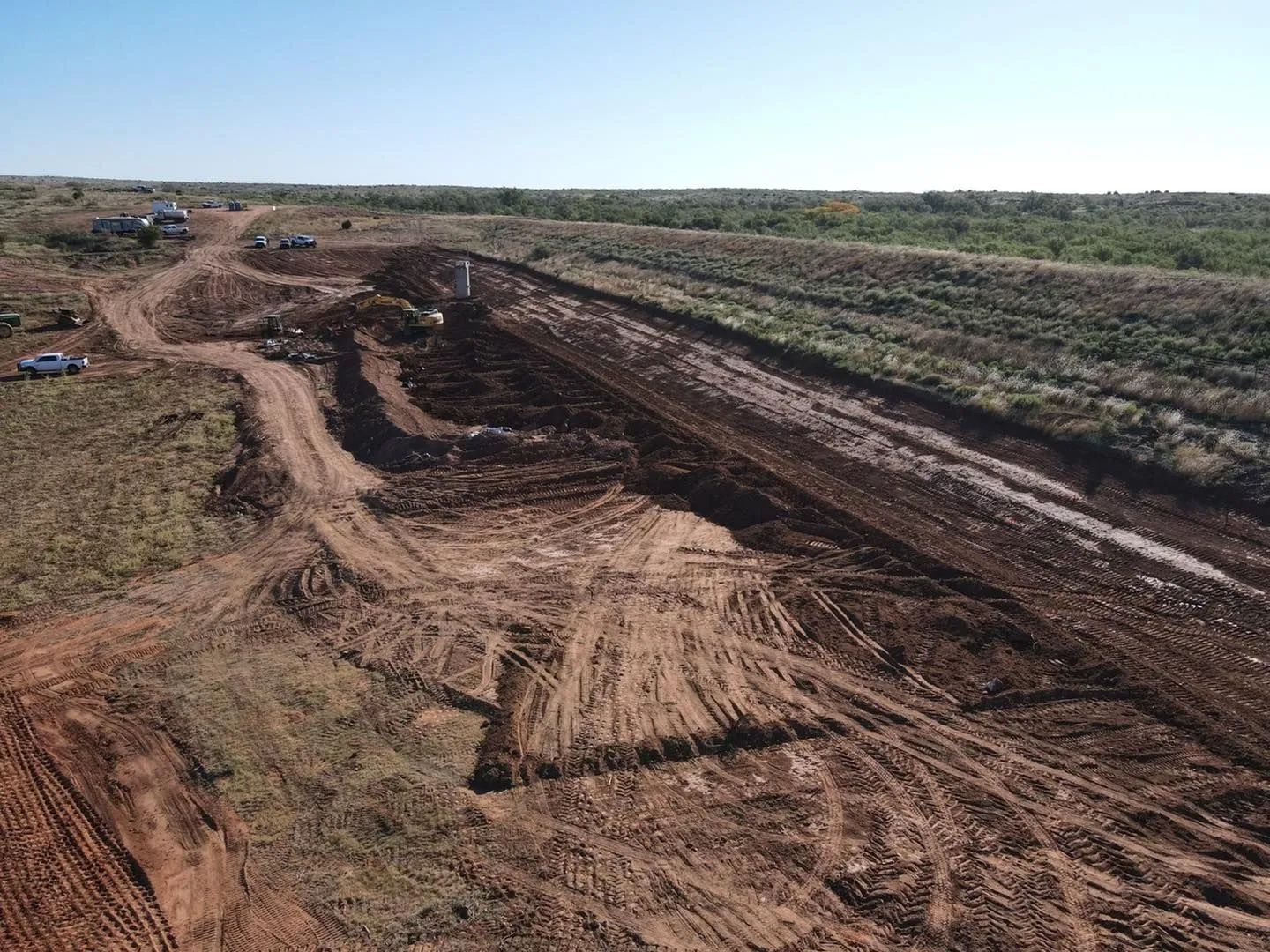
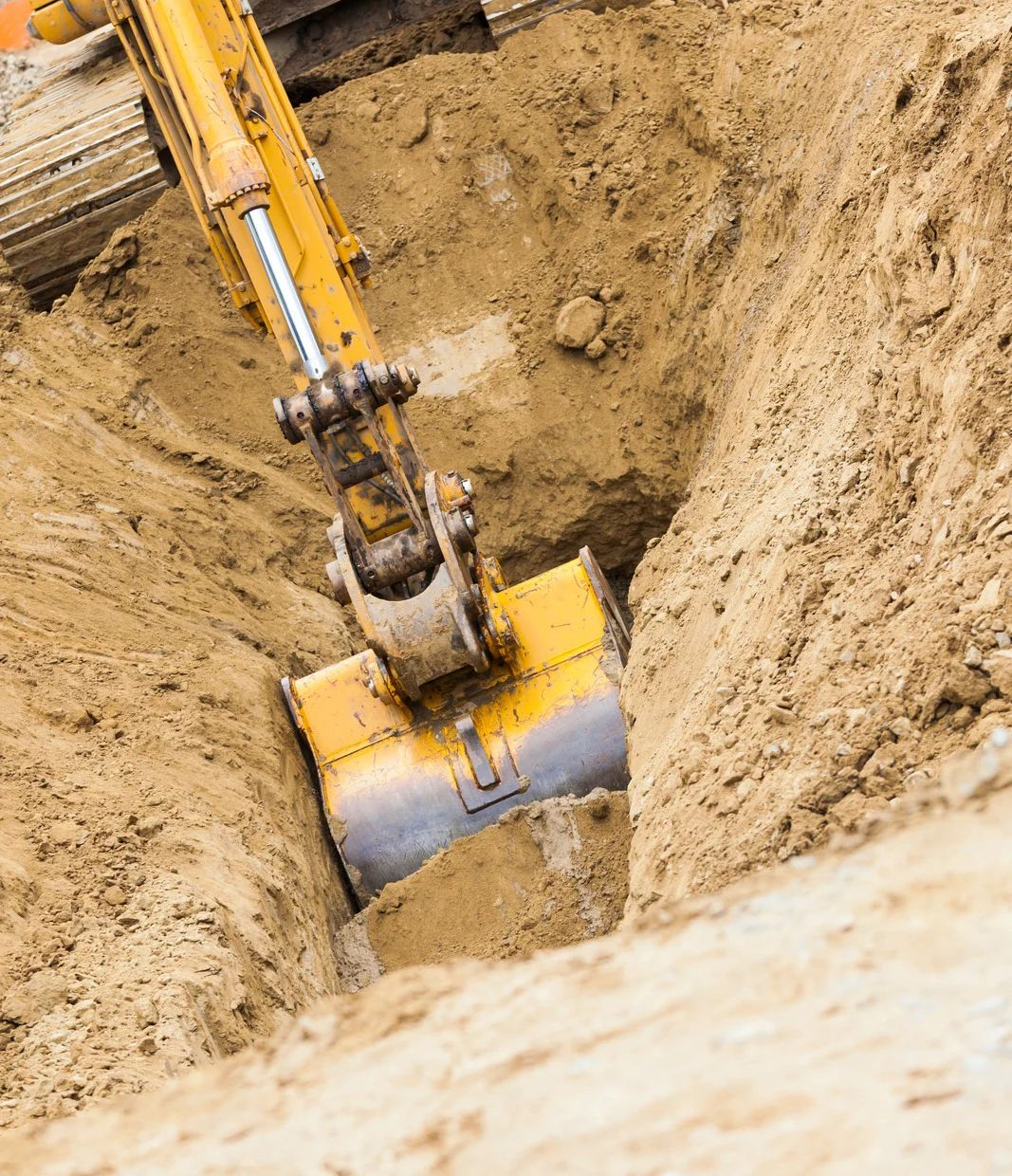
Excavation involves removing earth to create a level base for foundations, utilities, and other structural elements, making careful planning absolutely essential. Planning excavation thoroughly prevents over-excavation, soil destabilization, or costly rework, while considering depth requirements, soil type, groundwater levels, and the presence of underground utilities.
Grading for Drainage and Stability
- Rough Grading –
Establishing the general slope and elevation of the site.
- Fine Grading – Creating a smooth, precise surface ready for foundation or landscaping.
Soil Compaction and Management
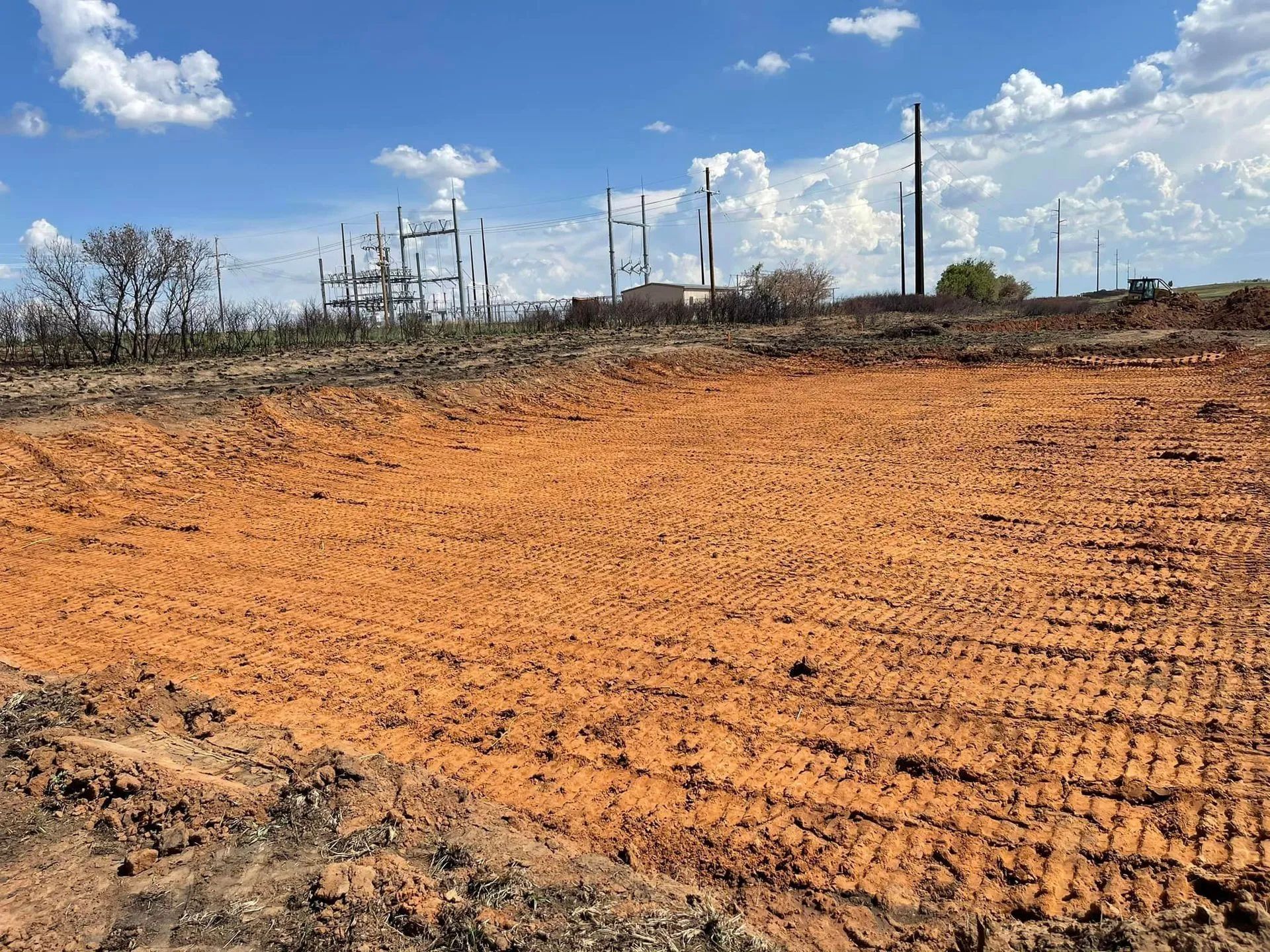
Grading ensures that the land slopes away from the structure, preventing water accumulation, soil erosion, and foundation damage. Proper grading also facilitates construction of access roads, driveways, and landscaping areas while improving long-term usability. The process involves cutting high areas, filling low spots, and compacting soil to achieve a stable, level surface suitable for construction.
A practical example is constructing a commercial parking lot or residential driveway. Without proper grading, water pooling can damage asphalt, create hazards, and shorten the lifespan of paved surfaces. Implementing a well-designed grading plan enhances durability, minimizes maintenance costs, and improves overall site safety.
Equipment and Safety Considerations
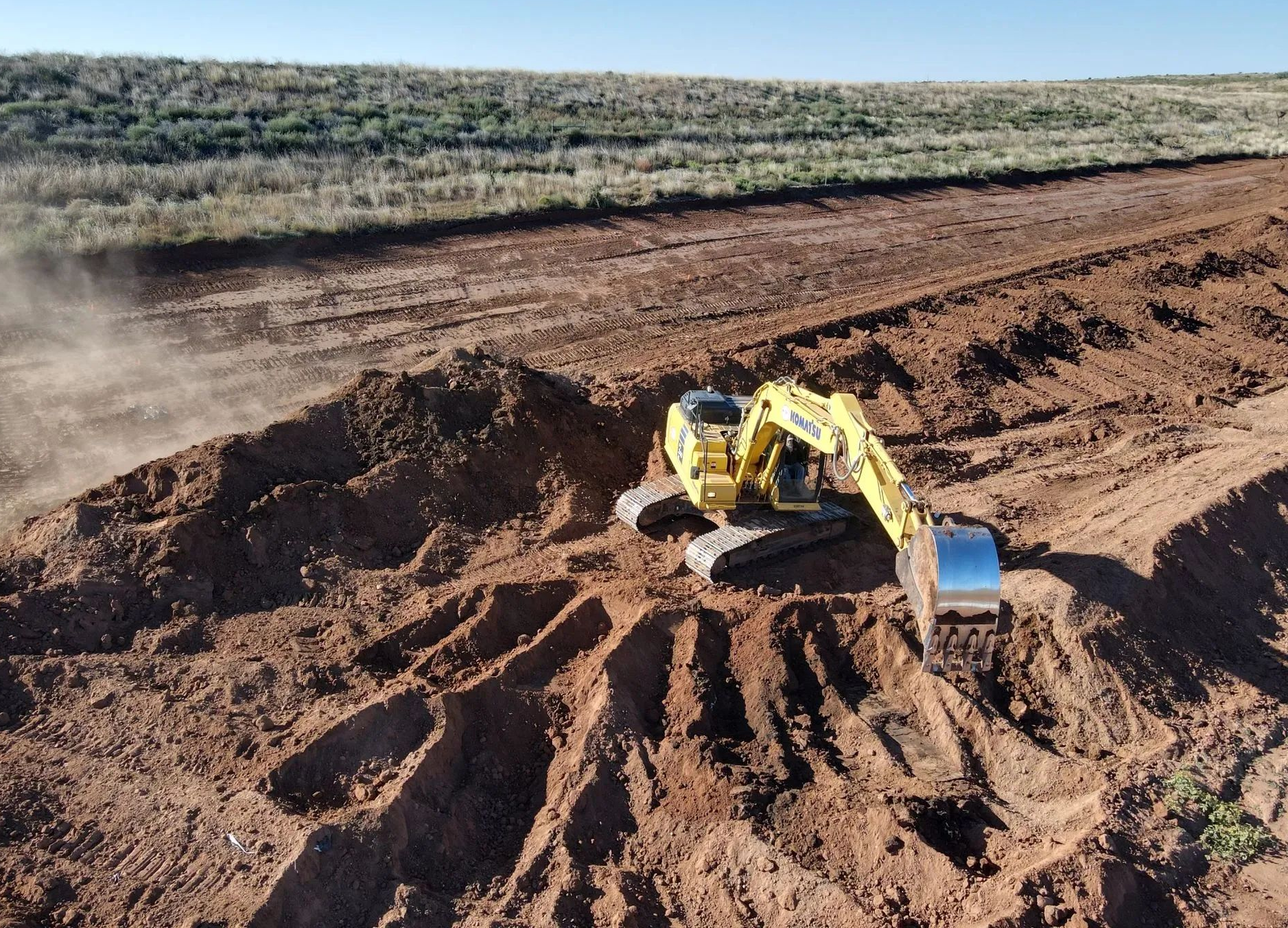
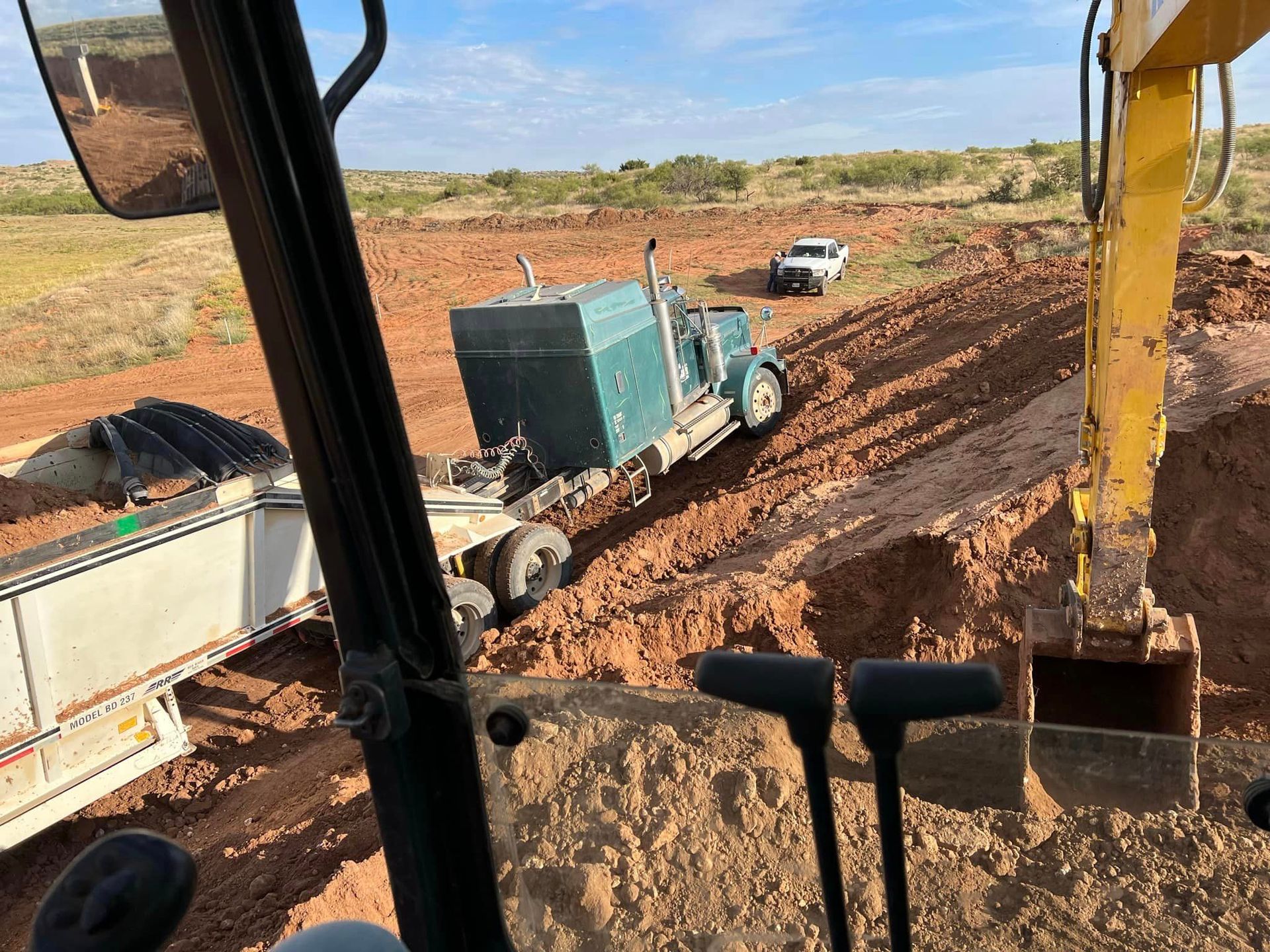
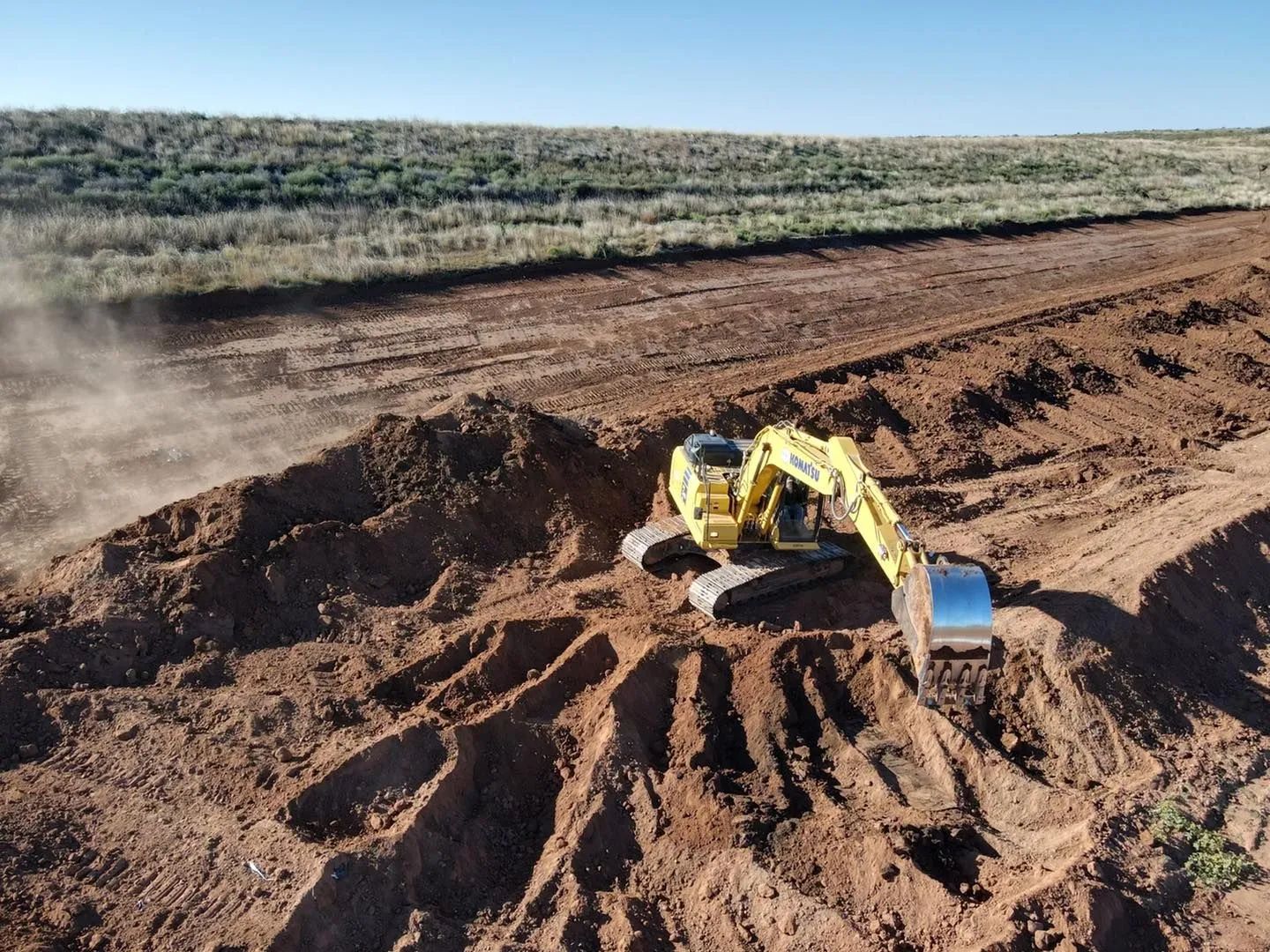
Excavation and grading require specialized machinery such as bulldozers, backhoes, skid steers, and compactors to perform efficiently. Proper equipment selection, operator training, and strict adherence to safety protocols prevent accidents, property damage, and operational delays. Maintaining clear communication, following OSHA guidelines, and implementing regular safety checks are critical for reducing workplace hazards during these intensive operations.
4. Managing Soil Stability and Compaction
Importance of Soil Compaction
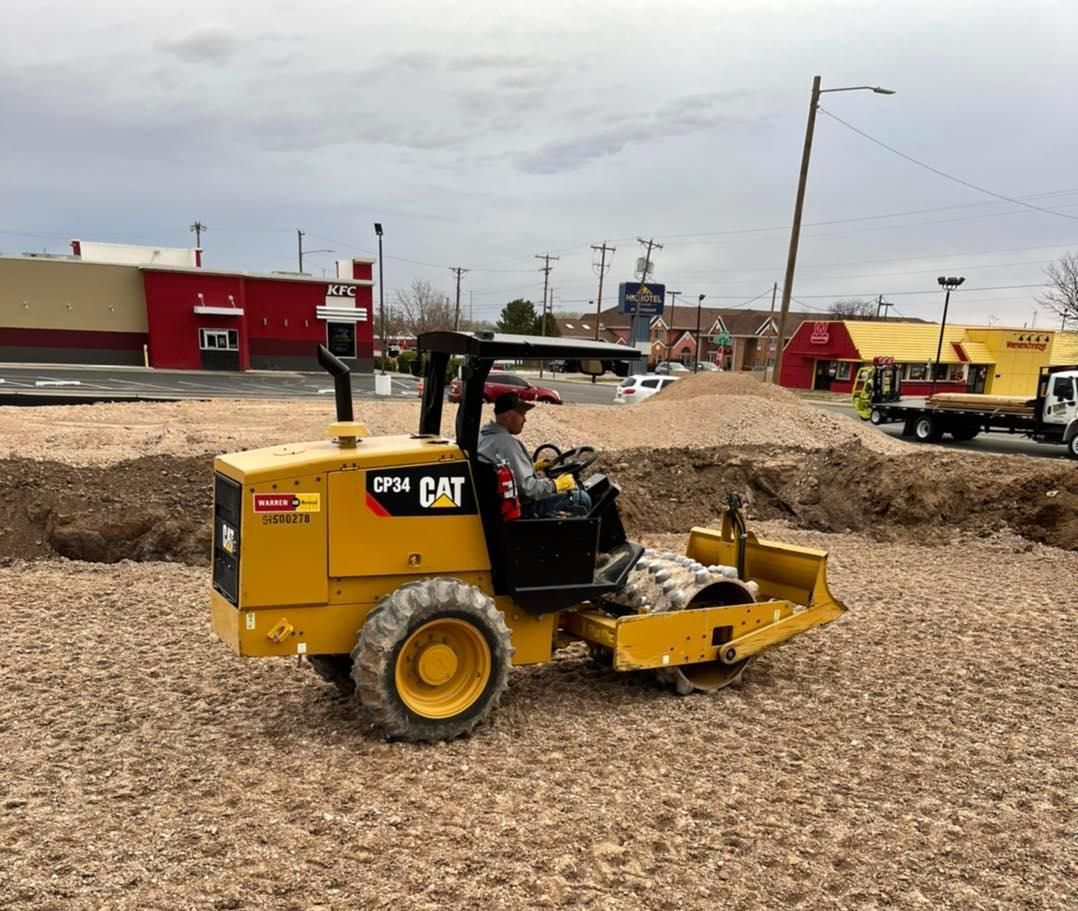
Compaction increases soil density, reducing settlement and providing a stable base for foundations and other structural elements. Uncompacted or loosely packed soil can lead to uneven settling, foundation cracks, and long-term structural instability, potentially jeopardizing the entire project. Engineers typically recommend achieving at least 95% of maximum dry density for building sites, verified through Proctor tests or in-field density measurements.
Techniques for Effective Compaction
Mechanical methods such as vibratory rollers, plate compactors, and tampers help achieve uniform soil compaction. Moisture content is also essential; too dry or too wet soil will not compact effectively, reducing stability. Adjusting water levels and applying incremental layers with proper compaction techniques ensures a solid, durable base capable of supporting heavy construction loads over time.
Addressing Challenging Soil Conditions
Certain soils, like sandy deposits or expansive clay, require stabilization to improve structural performance. Methods include adding lime, cement, or other stabilizing agents to improve load-bearing capacity, or using geotextiles, retaining walls, and reinforced fills to enhance soil stability. Addressing these conditions proactively prevents costly foundation repairs, reduces future maintenance, and ensures long-term structural safety.
5. Ensuring Proper Drainage and Erosion Control
Designing Effective Drainage Systems
Water management is a critical factor for site stability and long-term durability. Poor drainage can erode soil, weaken foundations, and cause flooding during heavy rains. Installing surface drains, French drains, swales, or retaining walls ensures water is guided away from the structure, protecting both the building and surrounding landscape.
Erosion Prevention Measures
During construction, exposed soil is highly vulnerable to erosion caused by wind or water runoff. Implementing silt fences, erosion control blankets, or temporary vegetation helps protect the site and prevent sediment pollution. This is particularly important in hilly terrains or sites near rivers, wetlands, or other water bodies, where erosion can cause environmental violations and damage downstream ecosystems.
Long-Term Benefits of Drainage Planning
Proper drainage planning not only protects structures but also improves site safety, accessibility, and usability. Roads, parking lots, and landscaped areas remain functional during storms, reducing hazards, extending infrastructure life, and increasing property value. Investing in well-designed drainage is a preventive measure that pays long-term dividends.
6. Safety and Risk Management in Site Preparation
Identifying Potential Hazards
Construction sites inherently contain multiple risks such as unstable slopes, hidden underground utilities, hazardous materials, and heavy machinery operations. Conducting a thorough risk assessment before breaking ground helps identify potential dangers early and implement effective preventive measures to minimize accidents and protect workers.
Implementing Safety Protocols
Safety measures include fencing off hazardous areas, providing proper personal protective equipment (PPE), and training workers on equipment use, emergency procedures, and hazard communication. Compliance with OSHA regulations, local safety codes, and internal protocols ensures legal adherence, workforce protection, and efficient site management.
Continuous Monitoring and Adaptation
Site conditions can change rapidly due to weather, unforeseen obstacles, or soil movement. Regular monitoring, inspections, and timely adjustments during site preparation maintain stability, safety, and productivity. For instance, after heavy rainfall, inspecting grading, drainage, and soil compaction prevents unexpected settlement, flooding, or erosion problems that could delay the project.
Emergency Preparedness
Having a comprehensive emergency plan—including evacuation routes, first-aid stations, and hazard communication protocols—ensures swift action in case of accidents. Integrating proactive safety planning into every stage of site preparation reduces liability, protects workers, and helps maintain the construction schedule efficiently without unnecessary disruptions.
Building Confidence Through Expert Site Preparation Practices
Successful construction starts long before the first brick is laid or beam is placed. Comprehensive site preparation, from soil testing and clearing to grading, drainage, and safety management, forms the foundation for a durable, efficient, and safe build. Addressing soil stability, vegetation management, and erosion control early in the project prevents delays, cost overruns, and structural issues, allowing construction teams to focus on quality execution and timely completion. By implementing these expert strategies, property owners and builders can create a reliable base that supports long-term performance and safety.
For projects in Texas, Coles Custom Dirt Work
stands as a trusted partner in
site preparation
and dirt work. With over 10
years of experience serving Amarillo, Canyon, and Borger, our team combines technical expertise, modern equipment, and a commitment to quality to ensure every site is ready for a strong, safe, and efficient construction start. Whether handling excavation, grading, or drainage solutions, Coles Custom Dirt Work
delivers reliable, professional service tailored to each project’s unique needs.