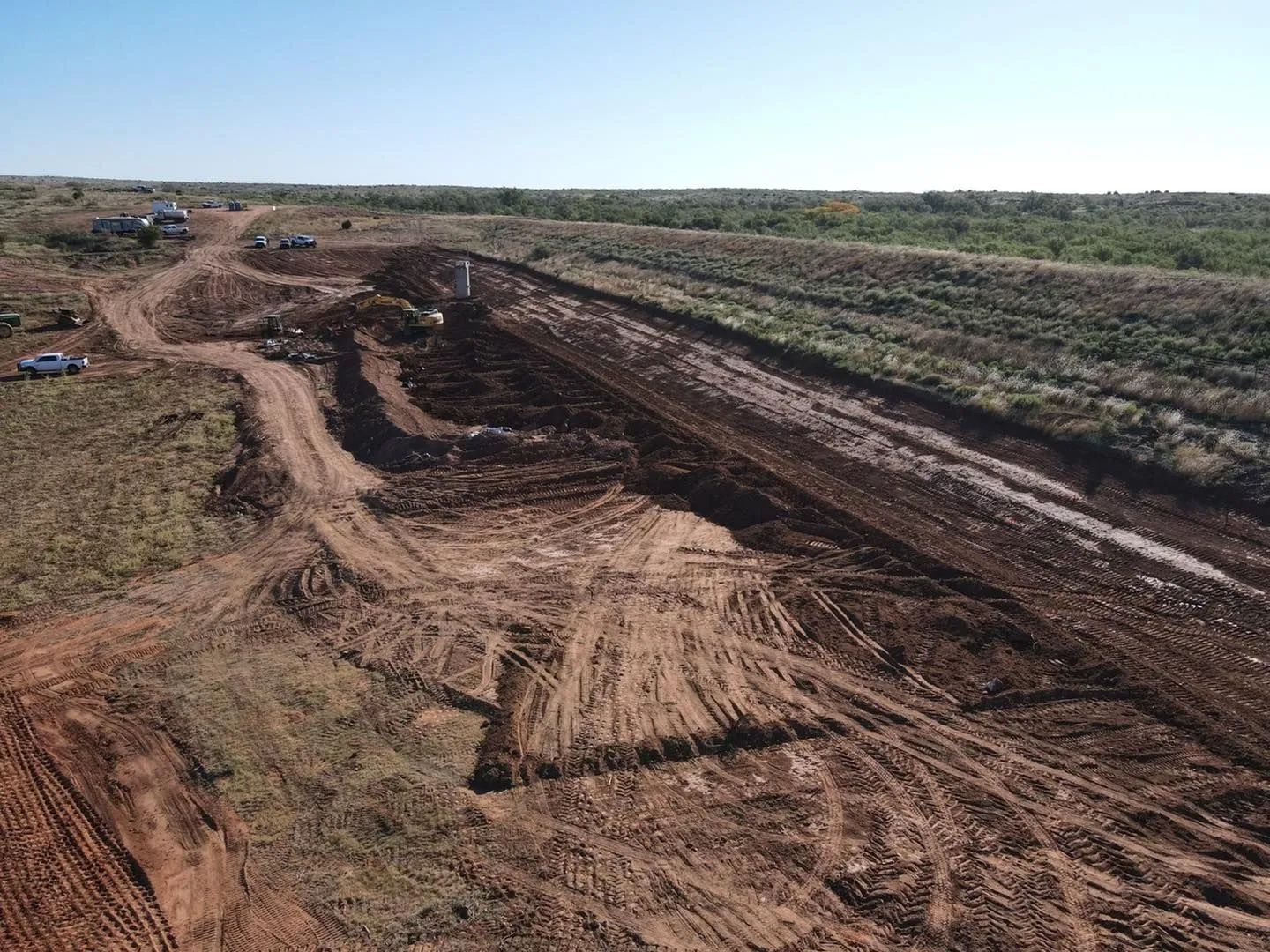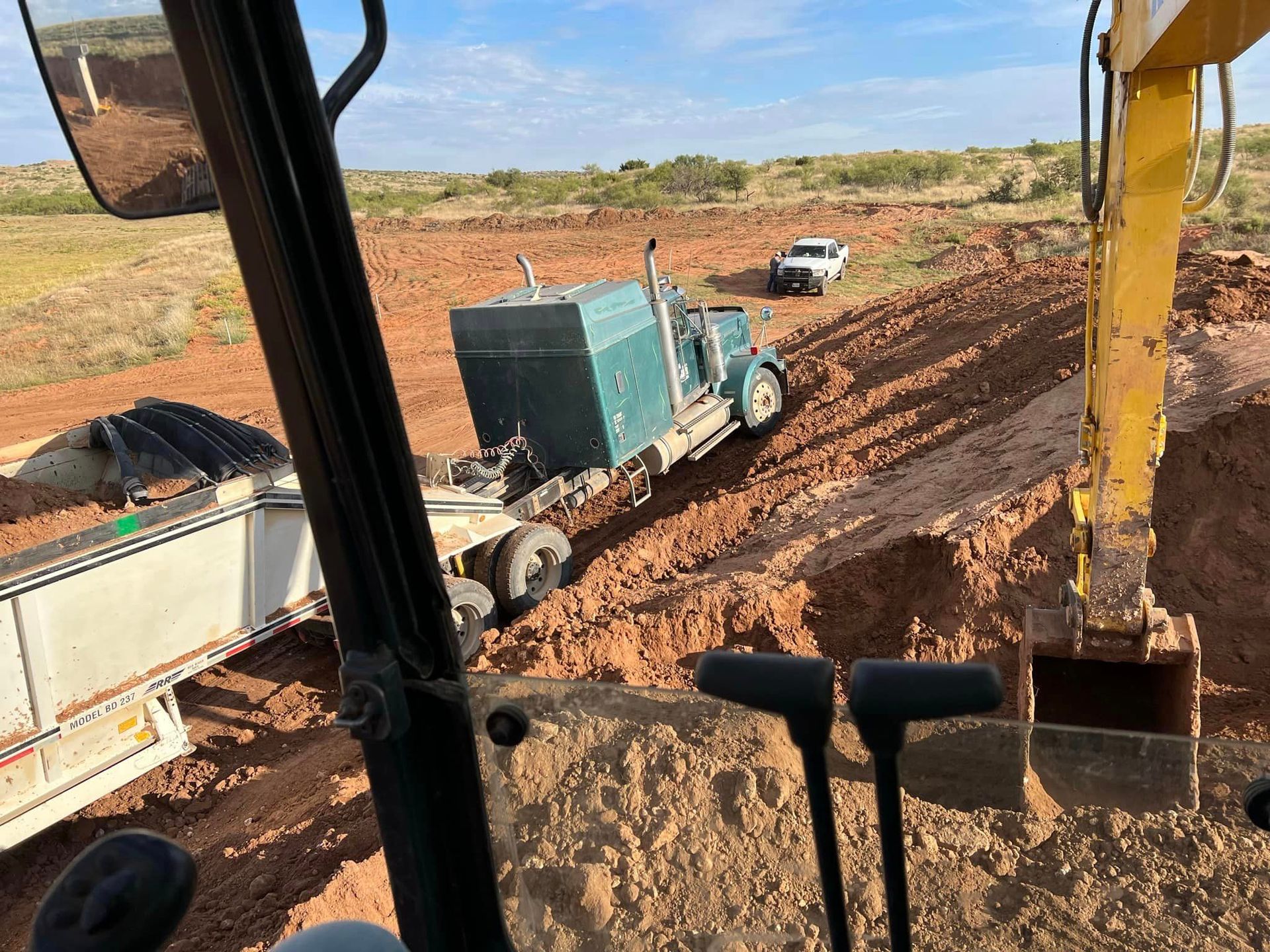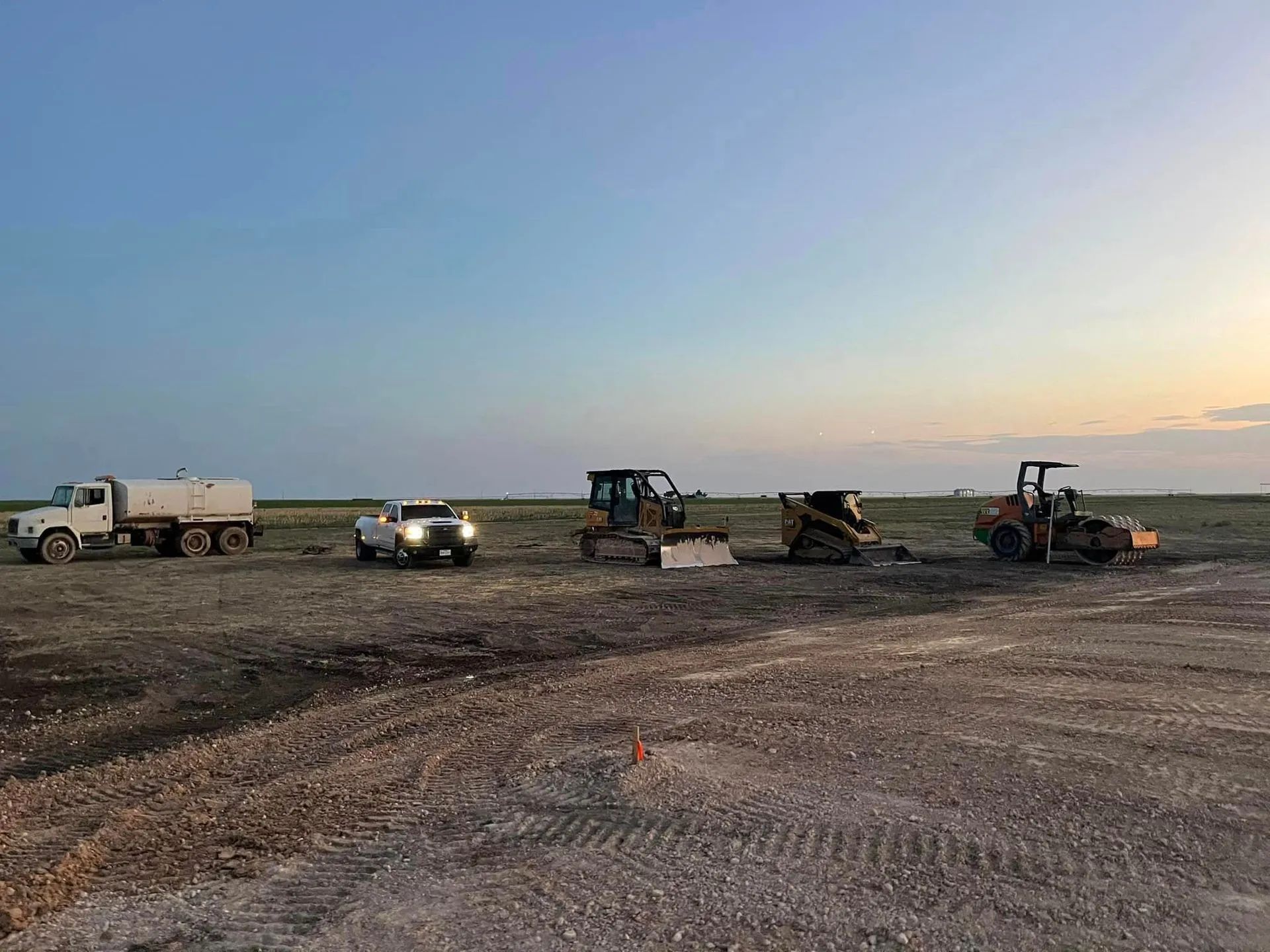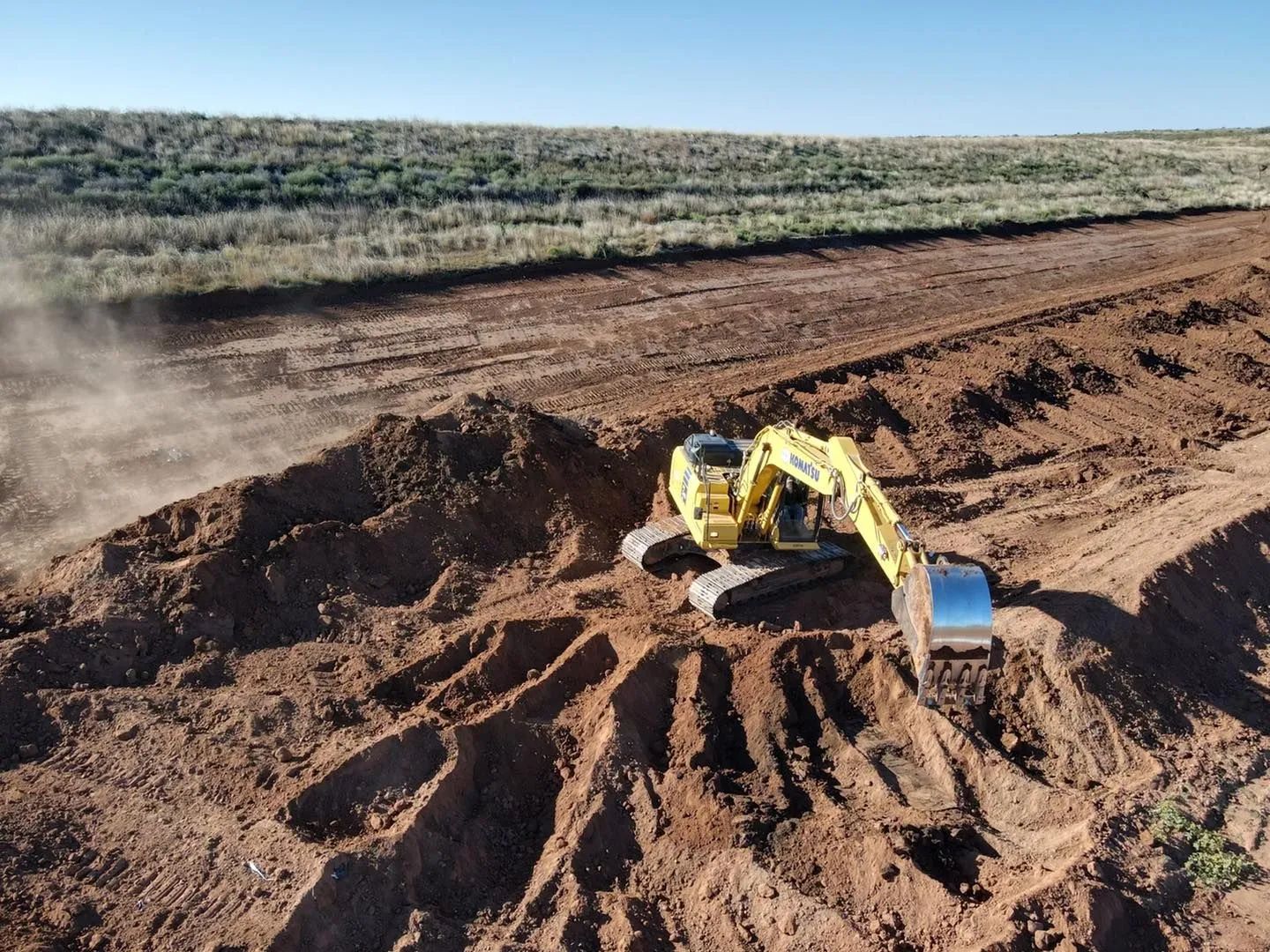
Trenching and Backfill Best Practices: Avoiding Common Construction Pitfalls
Trenching and backfill operations are foundational to nearly every underground construction project, from utility installations to drainage systems and structural foundations. When executed correctly, these processes ensure stability, proper alignment, and long-term durability of infrastructure. When performed poorly, however, they can lead to costly failures such as soil collapse, pipe misalignment, settlement issues, and safety hazards that disrupt entire project timelines. For construction professionals, understanding the technical and procedural aspects of trenching and backfilling is not optional; it is essential for maintaining quality and compliance with engineering standards. Continuous adherence to safety protocols and engineering guidelines also helps reduce on-site risks and ensures smoother project execution. In addition, proper documentation and inspection at each stage further strengthen accountability and reduce rework. These factors collectively contribute to more predictable project outcomes and improved infrastructure reliability over time.
In today’s fast-paced construction environment, precision and planning play a critical role in avoiding preventable mistakes. Soil conditions, excavation depth, compaction methods, and material selection all influence the success of trenching and backfill work. Without a structured approach, even experienced crews can encounter setbacks that compromise structural integrity and project efficiency. This makes it important to apply proven best practices and maintain strict attention to detail throughout every phase of the process. A disciplined methodology not only improves safety but also enhances the long-term performance of installed utilities and structural systems across residential, commercial, and civil projects of all sizes and complexities. Effective coordination between teams further ensures that each stage transitions smoothly without delays or miscommunication. Over time, this structured approach leads to higher productivity, reduced costs, and consistently durable construction results.
Planning and Site Assessment for Trenching Accuracy
Understanding Soil Conditions and Site Characteristics
Effective trenching begins long before excavation starts, requiring careful evaluation of soil conditions and site characteristics. Soil classification determines stability, drainage behavior, and compaction response during construction activities. Sandy, clay, and rocky soils each demand different approaches for support and excavation planning. Moisture content also influences trench wall integrity, equipment selection, and long-term settlement performance across the project site's overall requirements.
Utility Mapping and Risk Prevention
Underground utilities represent one of the highest risks in trenching operations, requiring precise mapping and verification before excavation begins. Accurate locating tools and as-built drawings reduce accidental strikes and service disruptions. Cross-verification between survey data and field markings ensures safe digging paths. Proper identification protocols and consistent communication help maintain operational continuity and prevent costly damage during excavation work, and overall efficiency.
Equipment Selection and Excavation Strategy
Choosing the right excavation equipment improves efficiency and precision in trenching projects of varying scale. Narrow trenches often require compact excavators, while larger operations benefit from heavy-duty machinery with stabilizing features for control. Matching equipment to soil type and depth reduces over-excavation and structural disturbance. A defined excavation strategy ensures consistent alignment, slope control, and improved construction accuracy overall across all sites.
Safe Excavation Practices and Trench Stability Control
Trench Shoring and Protective Systems
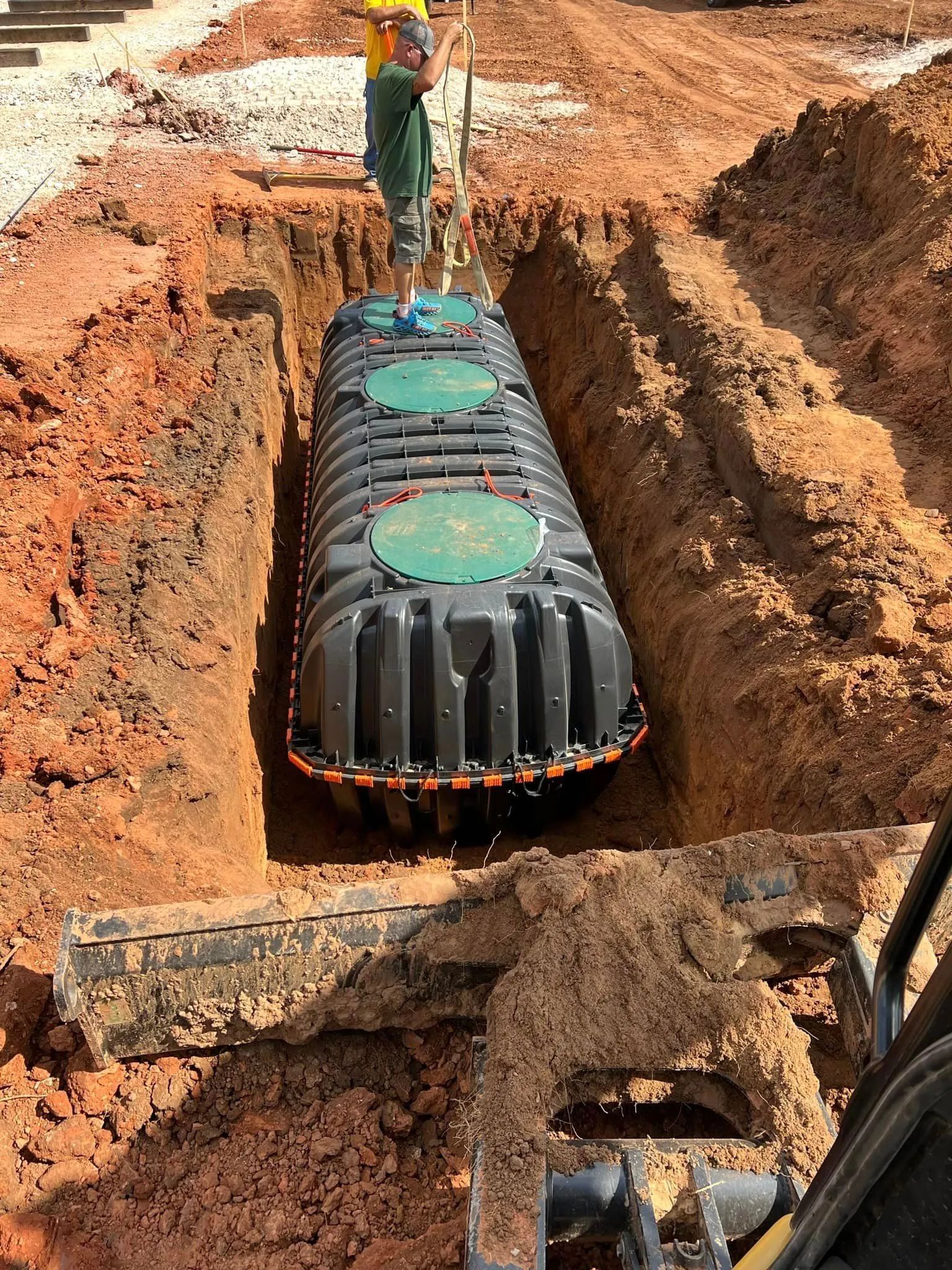
Maintaining trench stability is essential for worker safety and structural integrity during excavation activities. Shoring systems such as hydraulic supports, trench boxes, and timber braces prevent soil collapse in deep or unstable trenches. These protective systems must be installed as excavation progresses, ensuring compliance with safety standards while safeguarding personnel, equipment, and surrounding infrastructure throughout construction operations consistently without interruption or risk.
Proper Sloping and Benching Techniques
Trench walls require stabilization using proper sloping or benching techniques based on soil classification and site conditions. Steeper angles increase collapse risk, especially in loose or saturated soils during excavation work. Controlled sloping distributes pressure evenly, reducing lateral soil movement and improving safety. Benching creates stepped formations that enhance stability in deeper trenches and support safe access operations within project limits.
Managing Water Infiltration and Drainage
Water accumulation in trenches weakens soil structure and increases collapse risk during excavation and installation work. Temporary drainage solutions such as pumps, diversion channels, or dewatering systems maintain dry working conditions effectively. Proper site grading prevents surface runoff from entering trenches, reducing hazards. Effective water management improves safety, installation accuracy, and overall construction performance across all phases in real-time control.
Backfill Material Selection and Layering Techniques
Choosing Suitable Backfill Materials
Backfill material selection directly influences long-term structural performance and stability of underground installations. Clean granular materials are often preferred due to compaction efficiency and drainage capabilities. Soil containing organic matter or debris should be avoided because of instability risks. Matching material type to project requirements ensures uniform support around pipes, conduits, and foundational structures across construction zones with engineered precision levels.
Layered Backfilling and Compaction Control
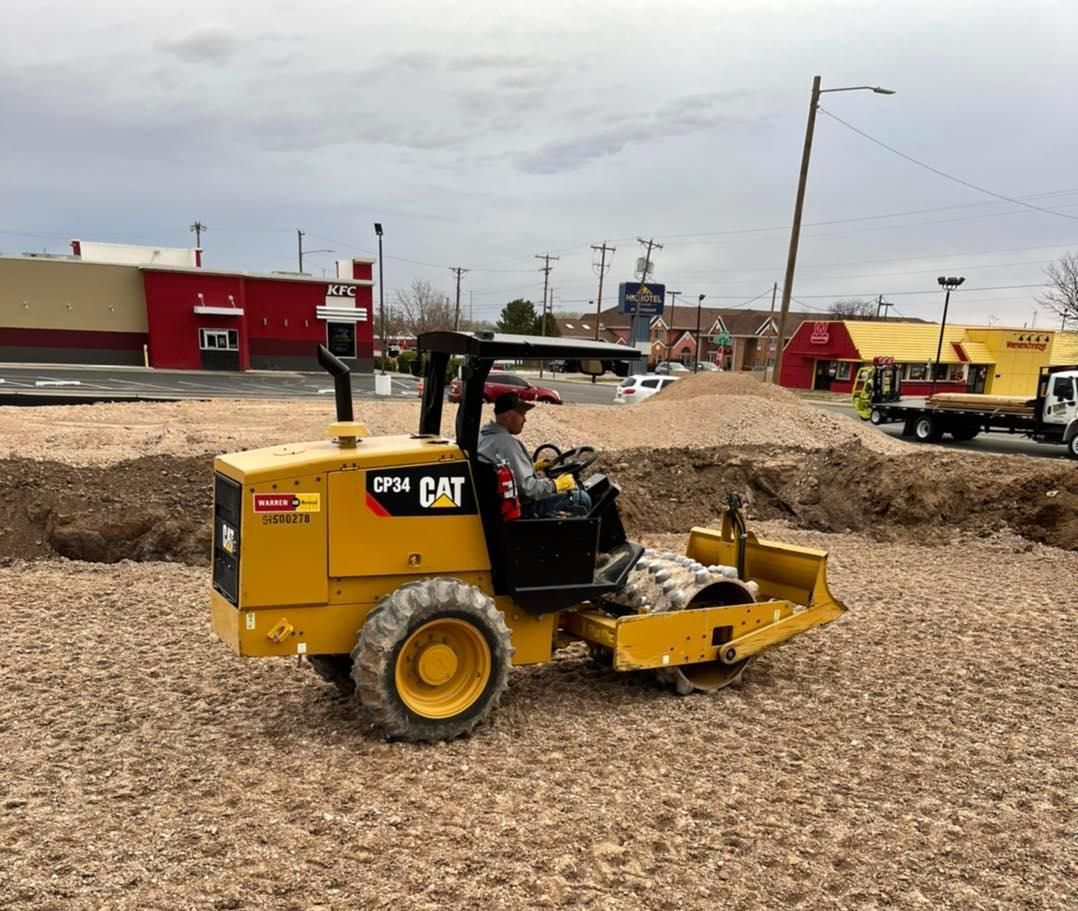
Backfilling must be completed in controlled layers rather than large single deposits to ensure structural stability. Each layer requires thorough compaction before the next is added, eliminating air pockets and reducing settlement risks. Proper compaction equipment, such as vibratory plate compactors and rollers, ensures density consistency. Layer thickness must be adjusted according to material type and trench depth requirements, precisely measured.
Preventing Differential Settlement
Uneven settlement is a common issue in poorly executed backfill operations, affecting long-term infrastructure stability. Consistent compaction techniques and uniform material distribution reduce shifting and sinking over time. Special attention must be given to areas around pipes and structural elements where voids can form easily. Controlled moisture levels during compaction also improve density and reduce future movement risks significantly across projects.
Quality Control, Inspection, and Common Pitfalls
Continuous Monitoring During Construction
Ongoing inspection during trenching and backfilling ensures early identification of issues before they escalate into major failures. Monitoring trench alignment, soil stability, and compaction levels allows immediate correction of deviations. Field density testing confirms whether compaction meets engineering requirements prior to advancing to the next construction phase, ensuring quality control and long-term structural reliability across the site with consistent verification steps.
Common Trenching Mistakes to Avoid
Several recurring mistakes can compromise trenching performance, leading to structural instability and costly rework. Over-excavation weakens surrounding soil support, while insufficient shoring increases collapse risk significantly. Ignoring soil variation often results in unstable trench walls. Poor communication between surveying and excavation teams can cause misalignment and project delays, requiring strict adherence to procedural standards throughout execution across all construction phases.
Ensuring Compliance with Safety Standards
Construction safety regulations are designed to prevent accidents, protect workers, and ensure structural integrity throughout trenching operations. Compliance includes protective systems, equipment inspections, and continuous worker training programs. Regular safety audits reinforce adherence to guidelines and reduce liability risks significantly. Maintaining a disciplined safety culture ensures trenching operations remain efficient, controlled, and hazard-free across all projects consistently under strict supervision protocols.
Equipment Maintenance and Operational Efficiency
Keeping Excavation Equipment in Optimal Condition
Well-maintained excavation machinery is essential for achieving precise trenching results and consistent construction quality. Regular inspection of hydraulic systems, tracks, and cutting tools helps prevent unexpected breakdowns during operation. Equipment calibration ensures accurate digging depth and alignment control. Preventive maintenance schedules reduce downtime and improve overall productivity across excavation projects of varying scale and complexity while maintaining operational efficiency standards.
Operator Skill and Coordination
Skilled operators play a critical role in achieving accurate trench dimensions and maintaining safe excavation practices. Proper training improves control over machinery and reduces risks of over-digging or structural disturbance. Coordination between operators, surveyors, and ground crews enhances workflow efficiency and minimizes errors during trenching operations, ensuring consistent quality and adherence to project specifications throughout execution in demanding field conditions.
Improving Productivity Through Process Optimization
Streamlined workflows significantly improve productivity in trenching and backfill operations through better coordination and planning. Clear task sequencing, efficient material handling, and real-time communication between teams help reduce delays and operational bottlenecks. Optimizing each construction phase ensures consistent output while maintaining safety and quality standards across excavation projects from start to completion efficiently and reliably with integrated site management systems.
Trusted Excavation Practices Ensure Strong Project Outcomes
Trenching and backfill operations demand precision, planning, and disciplined execution to ensure long-term structural integrity and project success across demanding construction environments. Careful attention to soil conditions, excavation methods, stabilization systems, and compaction techniques significantly reduces the risk of failures such as settlement, collapse, and misalignment in critical infrastructure systems. Applying structured processes and consistent quality control practices strengthens both safety and performance across all phases of underground construction work from start to completion.
Reliable trenching outcomes are achieved when every stage is approached with technical awareness and operational consistency throughout the entire project lifecycle. From initial site assessment to final compaction, each step contributes directly to the durability, strength, and reliability of the finished system installed underground. Avoiding common pitfalls and maintaining strict adherence to best practices ensures a stronger infrastructure and reduced maintenance costs over time for long-term project value.
Coles Custom Dirt Work
delivers
specialized trenching and backfill solutions
grounded in years of hands-on field experience across Amarillo, Canyon, and Borger, Texas service areas. With 10
years of industry expertise, our approach emphasizes accuracy, safety, and long-term performance in every project undertaken with precision. We focus on delivering dependable excavation results that support infrastructure strength and project efficiency, ensuring each job is completed with professional care and technical excellence every single time.