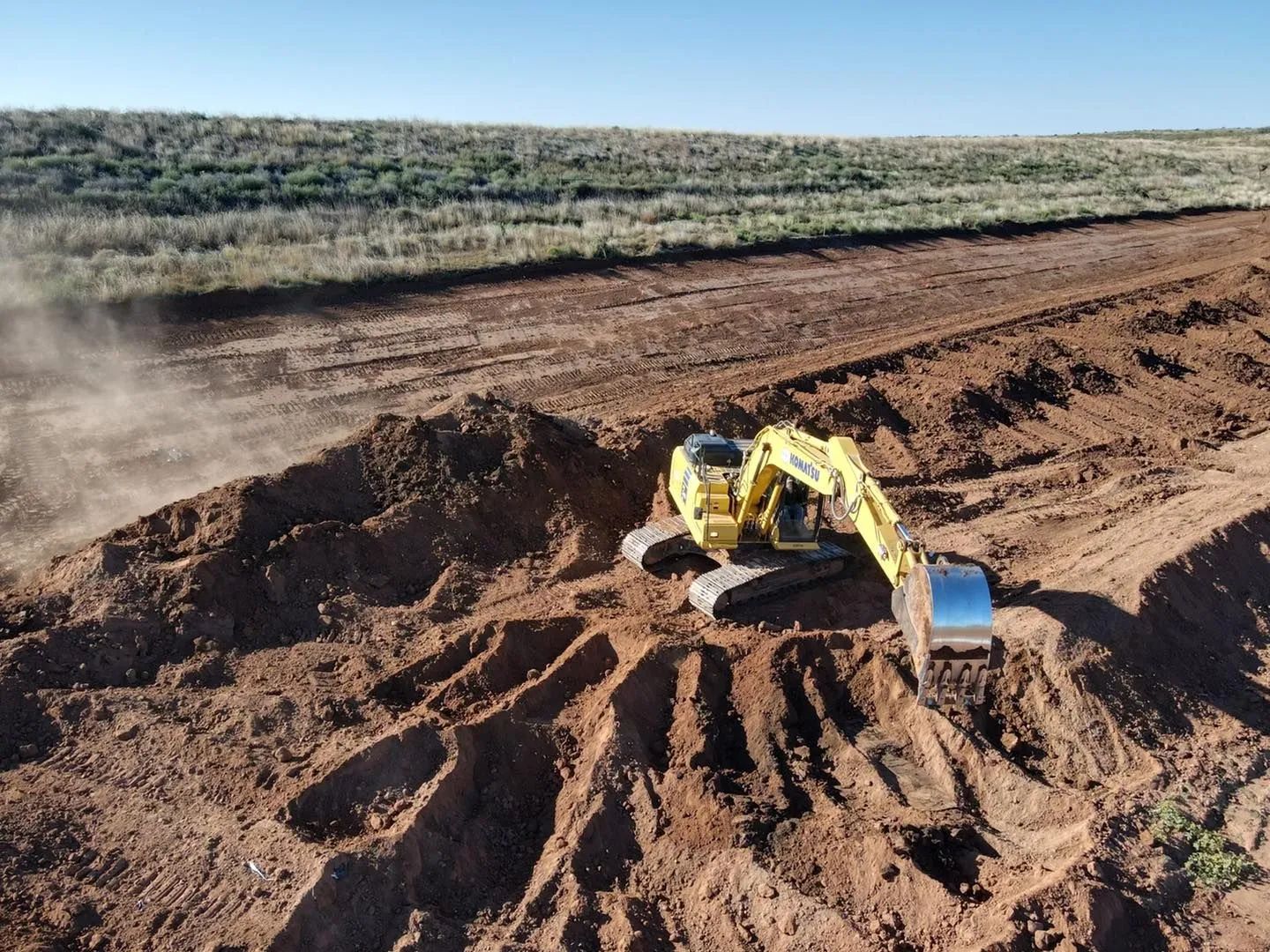
Why Proper Dirt Work & Grading is the Foundation of Every Successful Construction Project
Every successful construction project begins long before the first brick is laid or the concrete poured. The foundation of any structure is not only literal but also metaphorical, and it starts with proper dirt work and grading, which requires careful planning, skilled equipment, and adherence to industry standards to achieve optimal results. Whether constructing a residential home, a commercial building, or industrial infrastructure, the initial preparation of the land determines the stability, durability, and longevity of the finished project, ensuring future occupants’ safety, minimizing costly repairs, and preserving the value of the investment. Ignoring or underestimating the importance of site preparation can lead to costly delays, structural issues, and safety concerns that compromise the investment, reputation, and timeline of the entire construction process.
Dirt work and grading involve shaping and preparing the land to support the intended construction, ensuring proper drainage, soil stability, and adherence to engineering specifications, while also integrating environmental considerations, erosion prevention, and regulatory compliance. This process sets the stage for every subsequent phase, from laying foundations to installing utilities, landscaping, or infrastructure connections, forming a reliable base for long-term structural performance. For construction professionals, architects, and property developers, understanding the nuances of dirt work and grading is essential for maintaining project integrity and cost efficiency, reducing unforeseen challenges, and enhancing both productivity and project outcomes. In today’s competitive construction landscape, attention to foundational site preparation is no longer optional—it is a critical element that separates successful projects from those plagued by preventable challenges, delays, or financial setbacks.
The Role of Dirt Work in Construction
Understanding Dirt Work
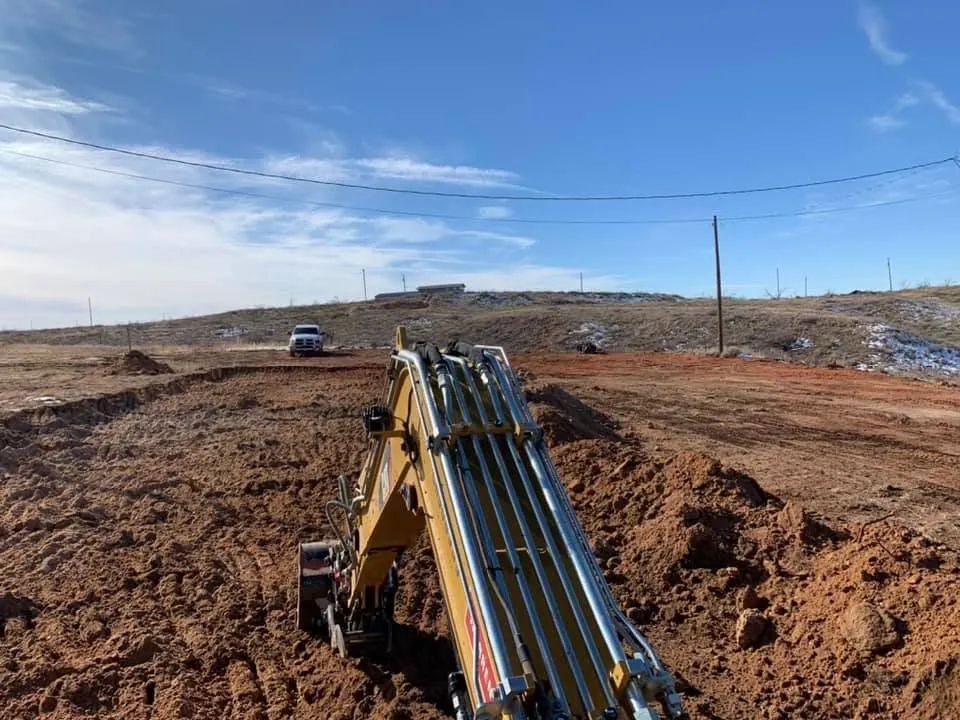
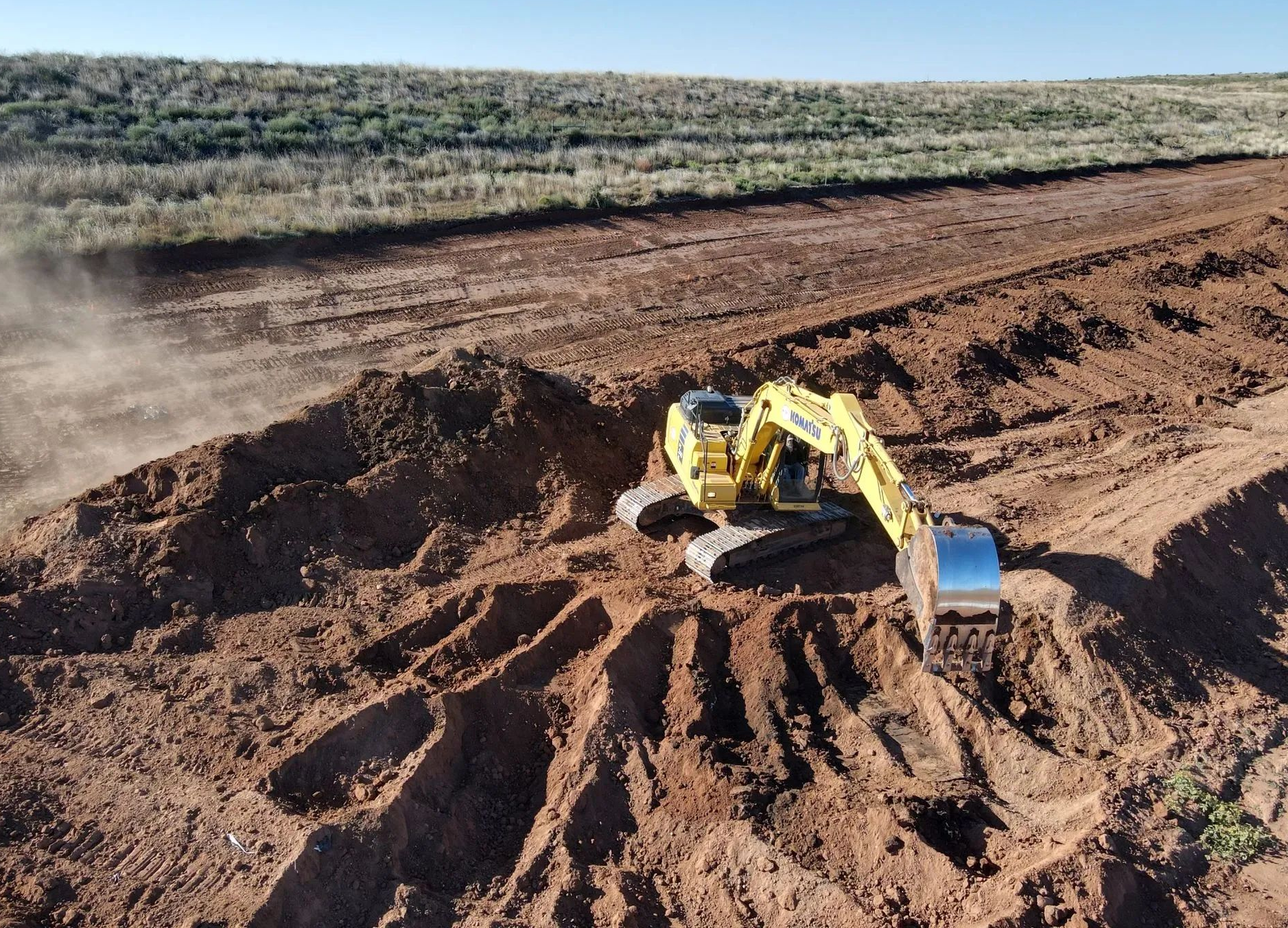
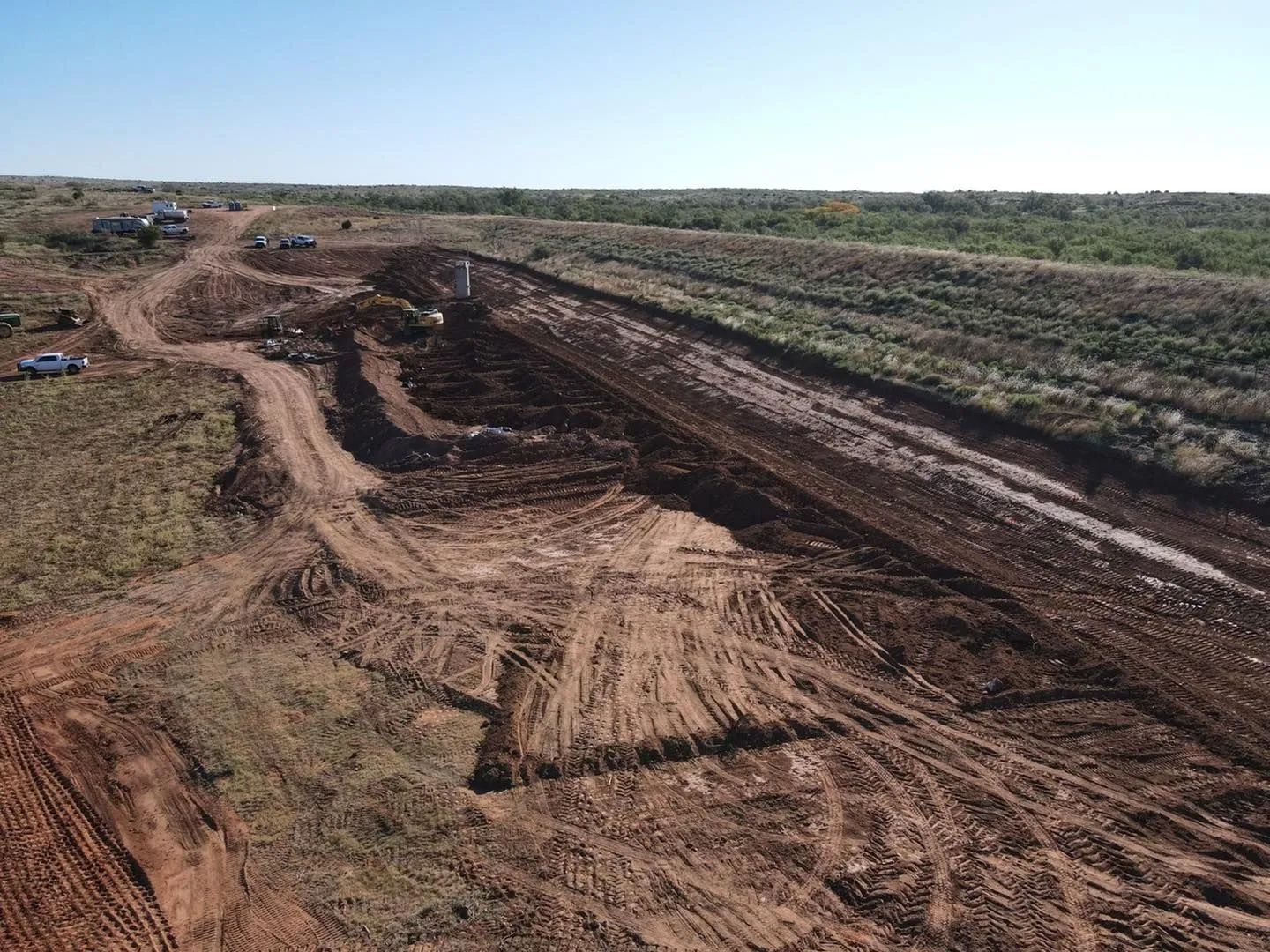
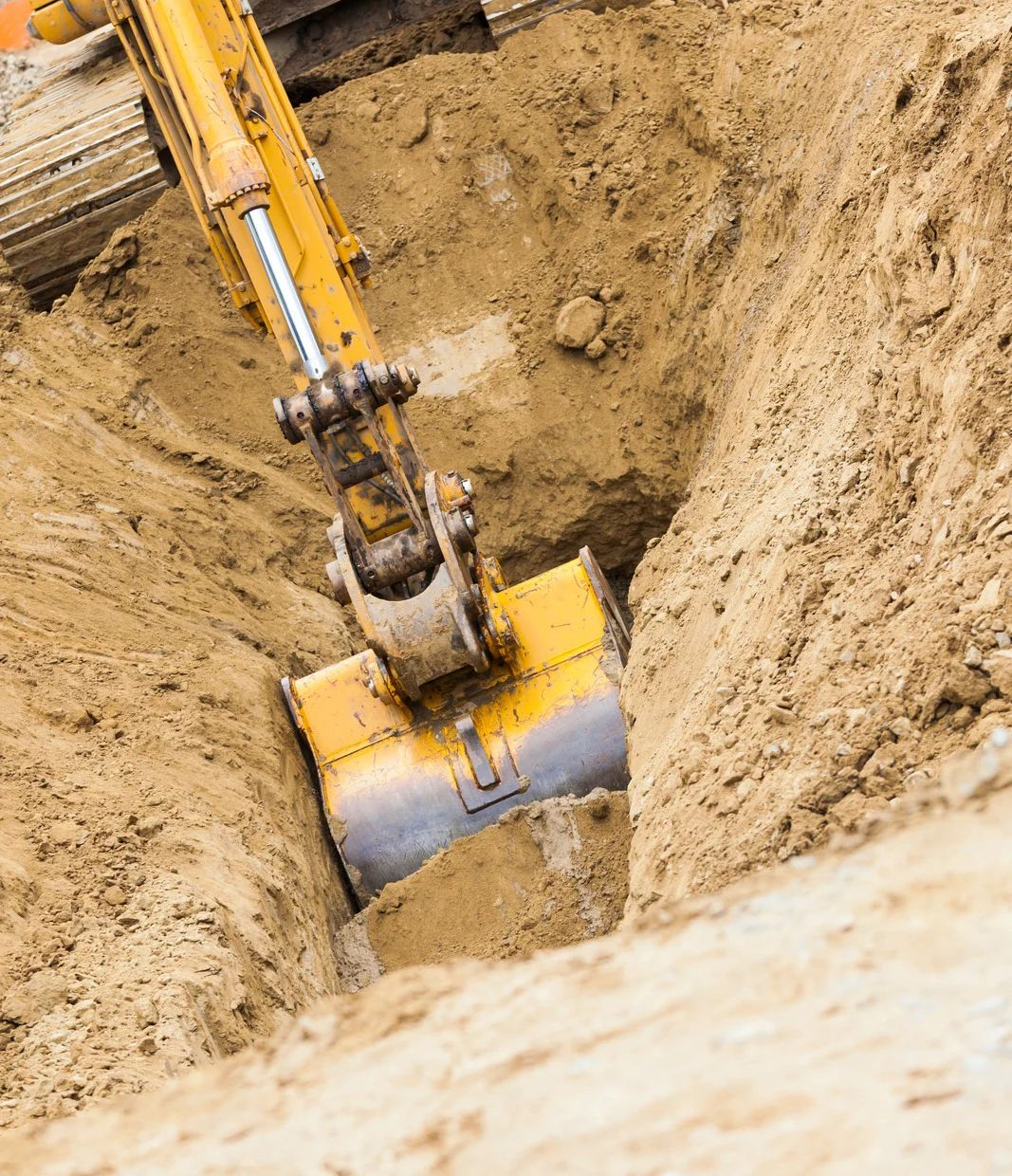
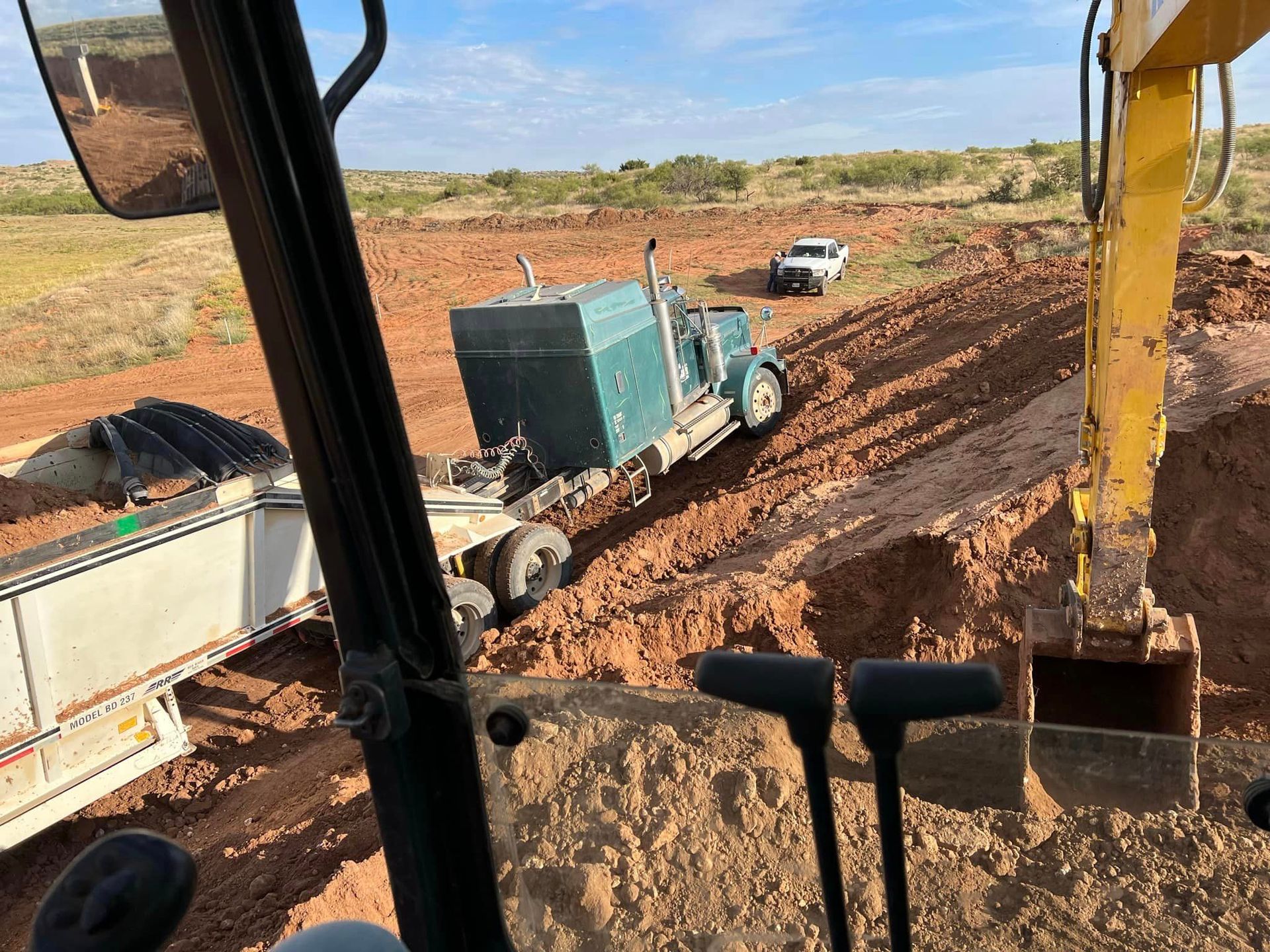
Dirt work encompasses all activities related to the movement, excavation, and reshaping of soil at a construction site. It involves cutting, filling, and compacting soil to achieve a level surface suitable for building foundations, roads, or landscaping. The quality of dirt work directly affects structural stability, making it a core component of project planning.
Soil types, moisture levels, and site topography all play significant roles in determining the techniques and machinery used in dirt work. For instance, clay-heavy soils require careful compaction and moisture control to prevent shifting or settling, whereas sandy soils may need reinforcement or stabilization to maintain integrity. Understanding these soil characteristics helps construction teams plan the excavation depth, slope gradients, and fill materials required for a secure base.
Importance of Dirt Work in Structural Integrity
Improper dirt work can lead to uneven settling, foundation cracks, or drainage problems. A poorly graded lot may accumulate water in unwanted areas, leading to erosion or water intrusion into the foundation. Conversely, well-executed dirt work ensures that structures rest on stable, evenly compacted soil, minimizing the risk of future repairs.
Real-World Scenario
Consider a residential subdivision built on improperly compacted fill. Within a few years, homeowners may notice uneven driveways, cracked sidewalks, and foundation issues, all stemming from inadequate dirt work during initial site preparation. These problems highlight the need for professional expertise and precision during the early stages of construction.
Grading: Shaping the Land for Success
What is Grading?
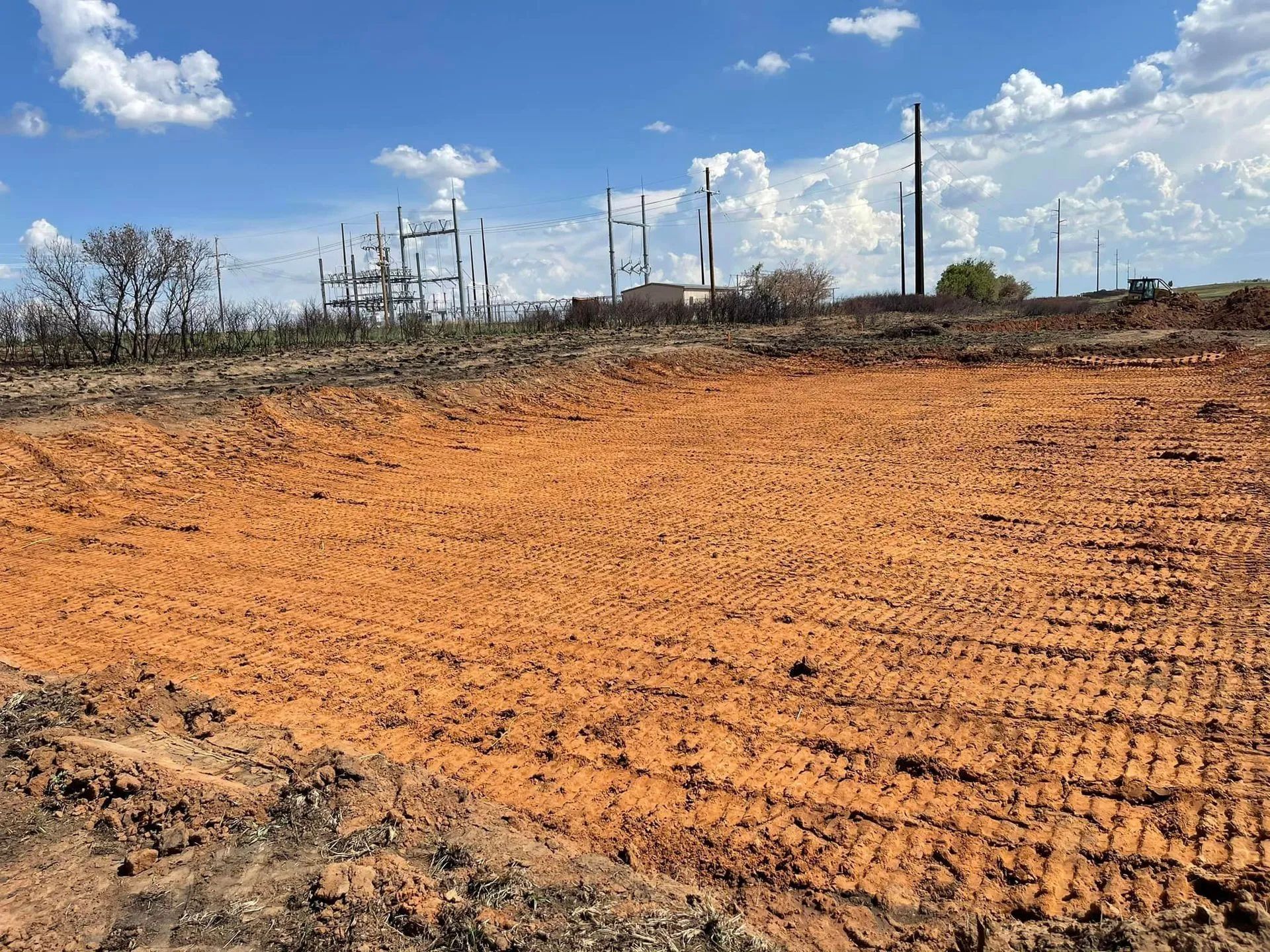
Grading involves adjusting the slope and contour of the land to facilitate proper drainage, prevent erosion, and create an ideal base for foundations and infrastructure. It ensures that water flows away from buildings, roads, and other structures, reducing the risk of water-related damage.
Key Types of Grading
- Rough Grading – Initial shaping of the land to approximate desired elevations and slopes. It sets the foundation for further construction work.
- Finish Grading – Precise final adjustments to ensure proper drainage and smooth, level surfaces for landscaping, pavements, and foundations.
Benefits of Proper Grading
- Enhanced Drainage: Correct slopes prevent standing water, reducing soil erosion and foundation weakening.
- Increased Longevity: Well-graded land supports structures more effectively, minimizing settlement and structural stress.
- Safety Improvements: Properly sloped surfaces reduce hazards such as flooding, mudslides, and unstable walking or driving areas.
Best Practices in Grading
- Conduct detailed site surveys to determine natural topography and soil conditions.
- Use laser-guided grading equipment for accuracy and efficiency.
- Incorporate erosion control measures such as retaining walls, swales, or riprap where necessary.
Example
A commercial development in a flood-prone area requires careful grading to divert stormwater away from buildings and parking areas. By implementing both rough and finish grading with engineered slopes, developers can significantly reduce the risk of costly water damage and regulatory compliance issues.
Soil Stabilization and Compaction Techniques
Why Soil Stabilization Matters
Even with precise grading, unstable soil can jeopardize construction projects. Soil stabilization involves improving the strength, density, and load-bearing capacity of the soil through various techniques. Compacted, stabilized soil prevents uneven settling, foundation cracks, and future maintenance issues.
Common Soil Stabilization Methods
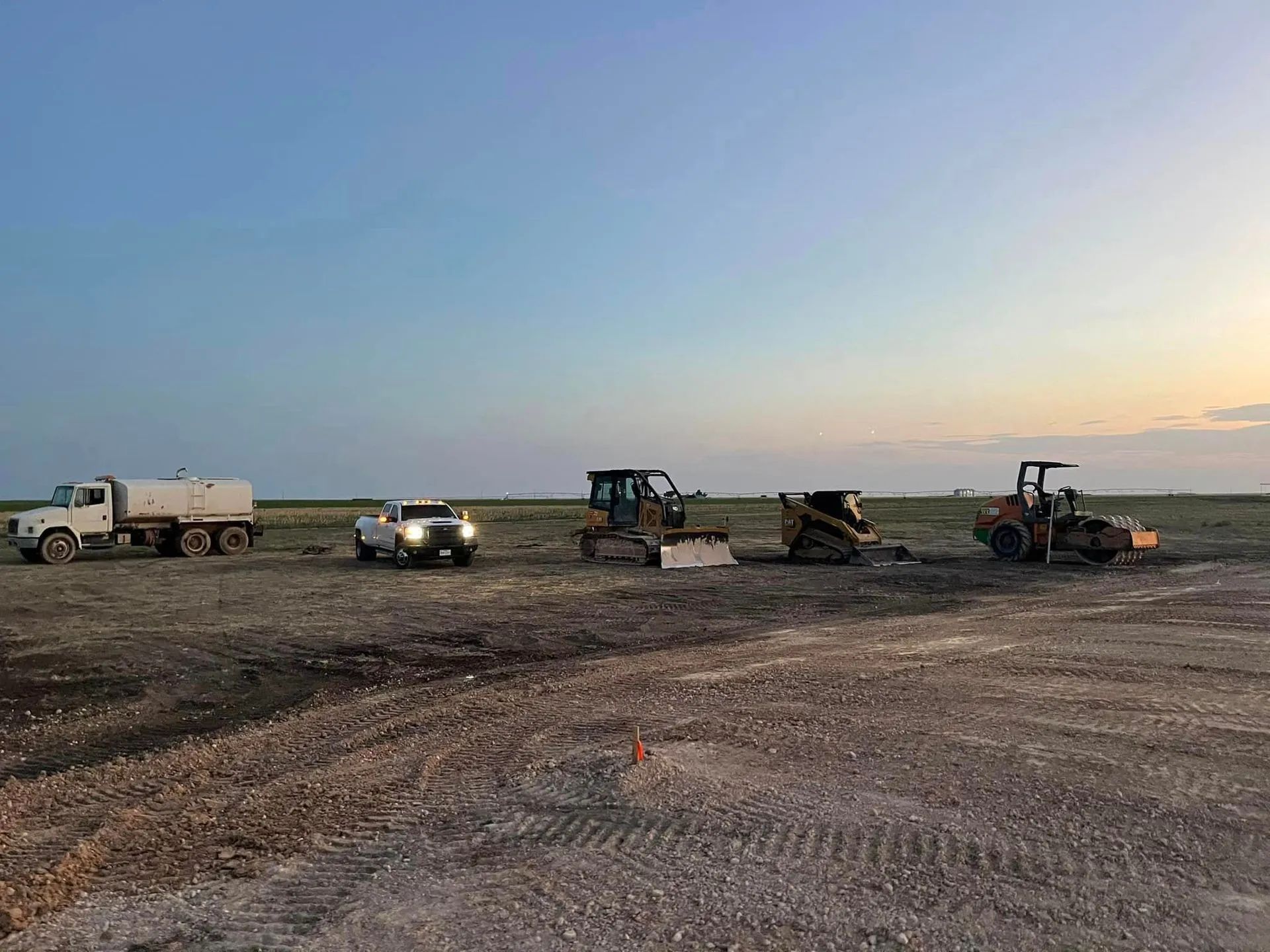
- Mechanical Compaction – Using rollers, plate compactors, or tampers to densify soil and eliminate air pockets.
- Chemical Stabilization – Adding lime, cement, or other binders to strengthen weak soils, particularly clay or silt-heavy sites.
- Geotextiles and Geogrids – Incorporating synthetic fabrics or grids to reinforce soil and reduce erosion.
Best Practices for Compaction
- Conduct soil testing to determine optimal moisture content and compaction levels.
- Apply compaction in layers, not exceeding recommended thickness for each lift.
- Monitor density using nuclear or non-nuclear testing equipment for consistent results.
Expert Insight
Construction engineers often emphasize that a foundation is only as strong as the soil beneath it. For instance, commercial warehouses with heavy equipment must rest on soil compacted to precise specifications. Failure to do so can lead to uneven flooring, machinery alignment issues, and long-term structural concerns.
Drainage Planning and Its Impact on Longevity
Importance of Drainage
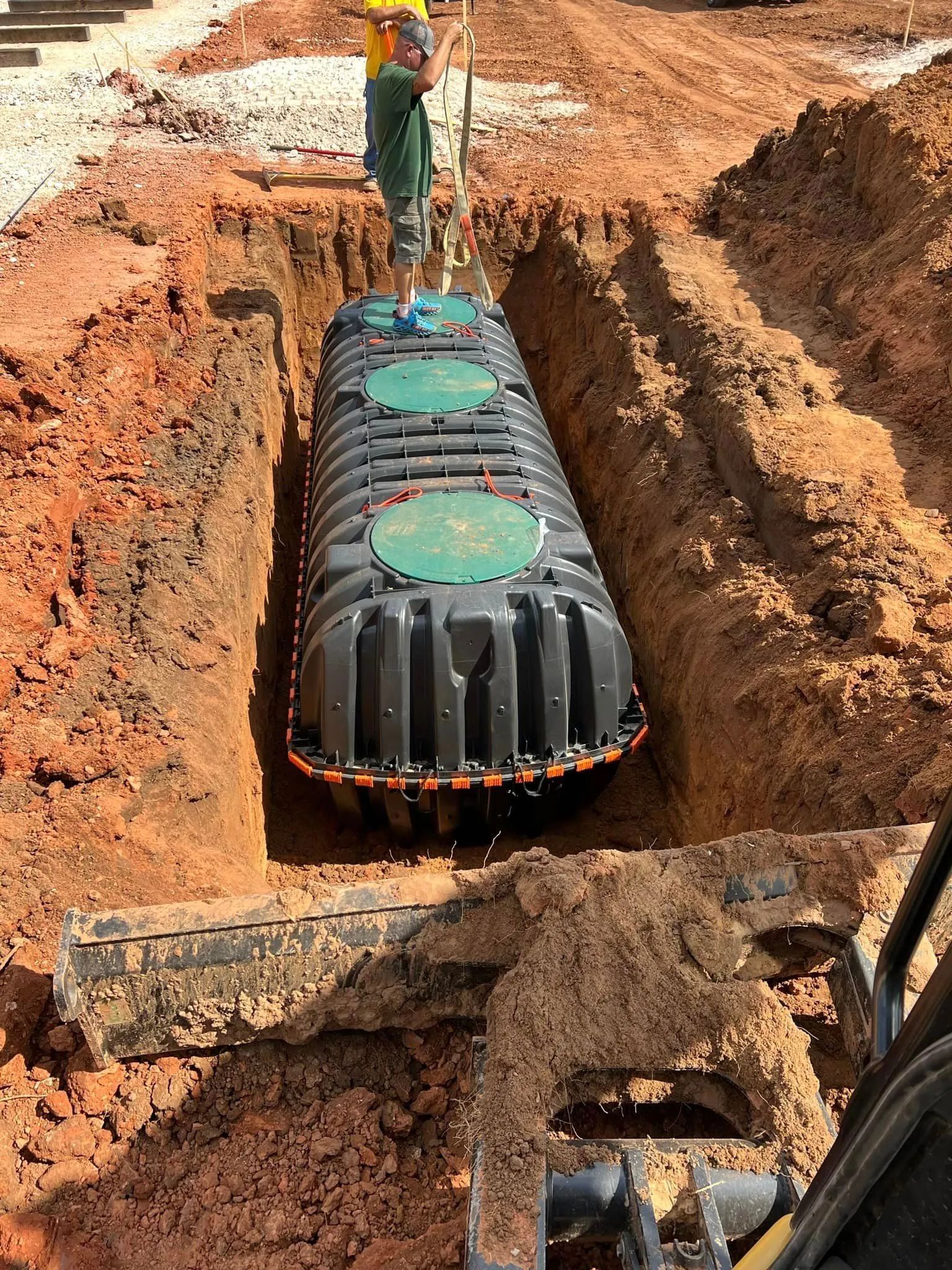
Proper drainage is a critical outcome of effective dirt work and grading. Water accumulation around foundations can cause soil erosion, basement flooding, and structural weakening. Designing the land with adequate slope, swales, or stormwater management systems prevents costly repairs down the line.
Techniques for Effective Drainage
- Swales – Shallow channels that guide water away from structures.
- French Drains – Gravel-filled trenches with perforated pipes to divert groundwater.
- Culverts and Retention Ponds – For larger commercial or industrial developments, these manage runoff efficiently.
Example Scenario
In a residential project, failing to account for water flow led to persistent wet areas around the garage and driveway. By implementing proper grading and drainage planning, the builder prevented foundation water damage, demonstrating how crucial these measures are for both longevity and property value.
Common Challenges and How to Overcome Them
Site-Specific Challenges
- Uneven Terrain – Hills or depressions require specialized machinery and planning.
- Poor Soil Quality – Clay, silt, or loose sand can complicate compaction and foundation stability.
- Weather Conditions – Rain, frost, or drought can affect soil consistency and grading timelines.
Solutions and Best Practices
- Conduct thorough geotechnical investigations before starting dirt work.
- Use adaptive techniques such as soil stabilization or engineered fill.
- Schedule work considering seasonal weather patterns to avoid delays.
Real-World Example
A commercial site faced delays due to unexpected clay layers. Engineers adapted by incorporating lime stabilization and adjusting grading plans, ultimately ensuring the site was ready on schedule without compromising structural integrity.
Best Practices for Long-Term Project Success
Key Guidelines
Early Planning
Integrate dirt work and grading considerations into initial project designs. Careful planning allows engineers and contractors to identify potential challenges, select appropriate materials, and schedule equipment efficiently, reducing delays and unexpected costs.
Precision Equipment
Utilize laser-guided machines for accurate cuts, fills, and slopes. Advanced equipment ensures consistent grading results, minimizes human error, and allows teams to meet exact design specifications with less rework.
Regular Inspections
Monitor soil compaction, drainage paths, and slope stability throughout construction. Frequent assessments help detect issues early, such as uneven settling or erosion, allowing corrective measures before they escalate into major problems.
Documentation
Keep detailed records of soil tests, compaction results, and grading specifications for future reference and liability protection. Well-maintained documentation also supports warranty claims, compliance audits, and informed decision-making for future site improvements.
Benefits of Following Best Practices
Reduces the risk of structural failures and costly repairs
Proactive attention to dirt work and grading mitigates problems like foundation cracks, uneven surfaces, or drainage-related damage, saving time and money in the long run.
Ensures compliance with local building codes and safety regulations
Adhering to standards protects both the project team and property owners from fines, liability, or legal complications.
Enhances property value through improved site functionality and aesthetics
A properly prepared and maintained site not only supports structural integrity but also contributes to a professional, visually appealing landscape that increases marketability.
Preparing Land Correctly Prevents Costly Future Problems
Proper dirt work and grading are far more than preliminary steps in construction—they are the backbone of a successful project. From ensuring structural integrity to preventing drainage issues and minimizing long-term maintenance, careful site preparation establishes the conditions necessary for every subsequent construction phase. Investing in high-quality dirt work and grading safeguards both the property and the financial commitment of homeowners, developers, and commercial clients alike.
At
Coles Custom Dirt Work, we have spent 10
years serving Amarillo, Canyon, and Borger, Texas, with precision and expertise. Our team specializes in comprehensive dirt work, grading, soil stabilization, and drainage solutions that ensure every project begins with a solid foundation. We combine advanced equipment, proven techniques, and in-depth knowledge of local soil conditions to deliver dependable results that stand the test of time. Whether residential, commercial, or industrial, Coles Custom Dirt Work provides the professional guidance and hands-on experience necessary to transform your site into a stable, secure, and efficiently prepared construction platform.