7 Cost Factors That Impact Excavation Projects (What to Expect)
Excavation is one of the most foundational services in construction, land development, and infrastructure work. Whether you are breaking ground on a new home, clearing land for a commercial build, or installing underground utilities, excavation sets the stage for everything that follows. Yet for many property owners and project managers, the pricing behind excavation work remains unclear until a bid arrives and the numbers feel surprising.
Understanding what drives excavation pricing before a project begins puts you in a far stronger position. It helps you plan your budget with accuracy, ask the right questions when reviewing proposals, and avoid the kind of mid-project surprises that delay timelines and strain finances. Excavation pricing is not arbitrary. It reflects real variables tied to your land, your project scope, your timeline, and the equipment required to get the job done right. This guide breaks down seven of the most significant pricing factors so you know exactly what to expect.
Soil Type and Ground Conditions
Why the Ground Beneath Your Site Matters
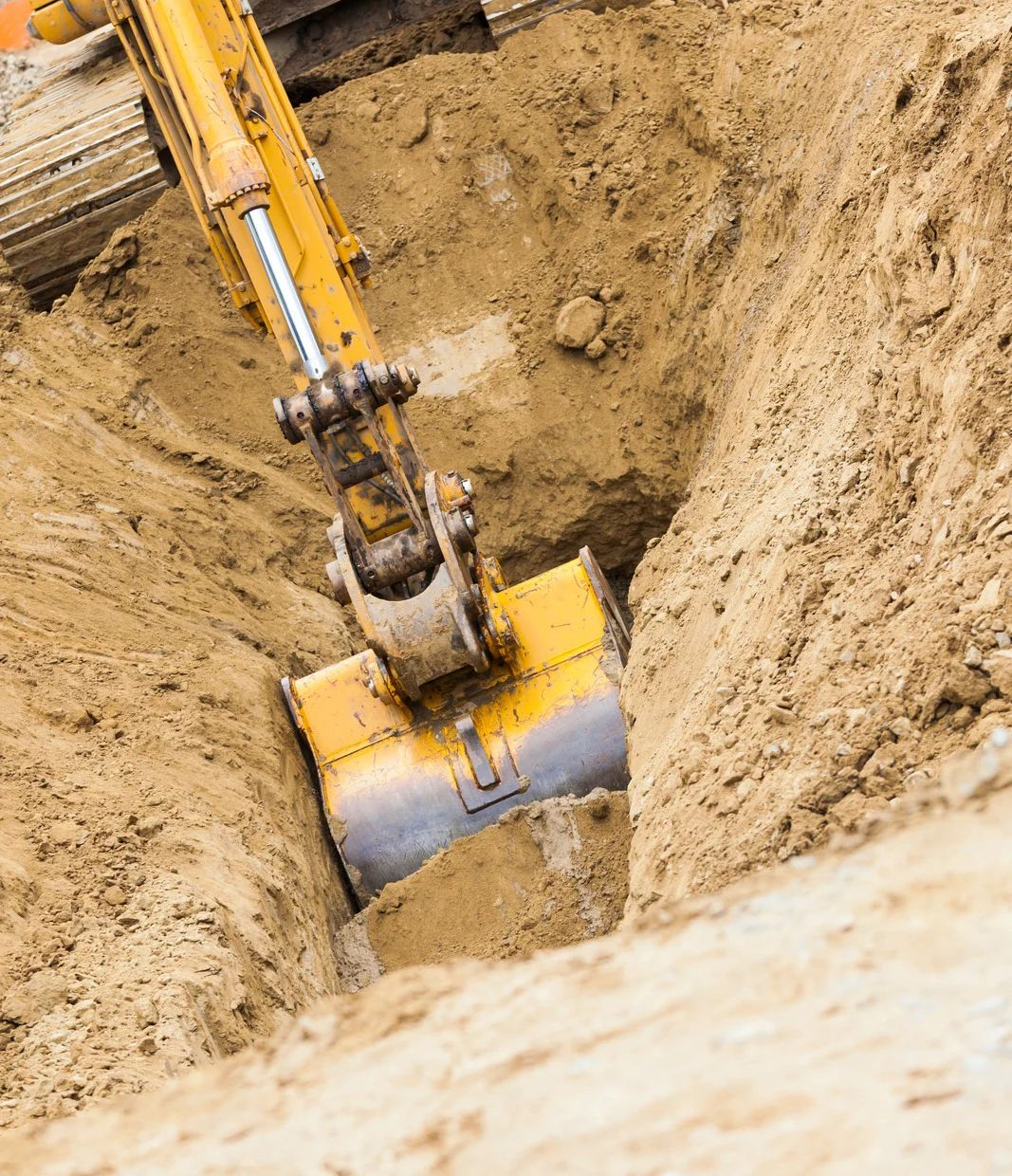
Not all soil behaves the same way under an excavator bucket. Loose sandy soil moves quickly and requires less effort to displace, while clay-heavy ground resists equipment, retains moisture, and can slow progress considerably. Rocky terrain demands specialized attachments, longer hours, and sometimes blasting or hydraulic hammering to break through.
Before any excavation bid is finalized, experienced contractors assess ground conditions either through a site visit, soil borings, or a review of available geological data. The findings directly influence machine selection, labor hours, and overall project duration.
| Soil Type | Difficulty Level | Equipment Impact |
|---|---|---|
| Sandy / Loamy | Low | Standard bucket, faster cycle times |
| Clay | Medium | Heavier equipment, slower digging |
| Rock / Hardpan | High | Specialized attachments, longer duration |
| Expansive Soils | Medium to High | Risk of wall collapse, extra shoring needed |
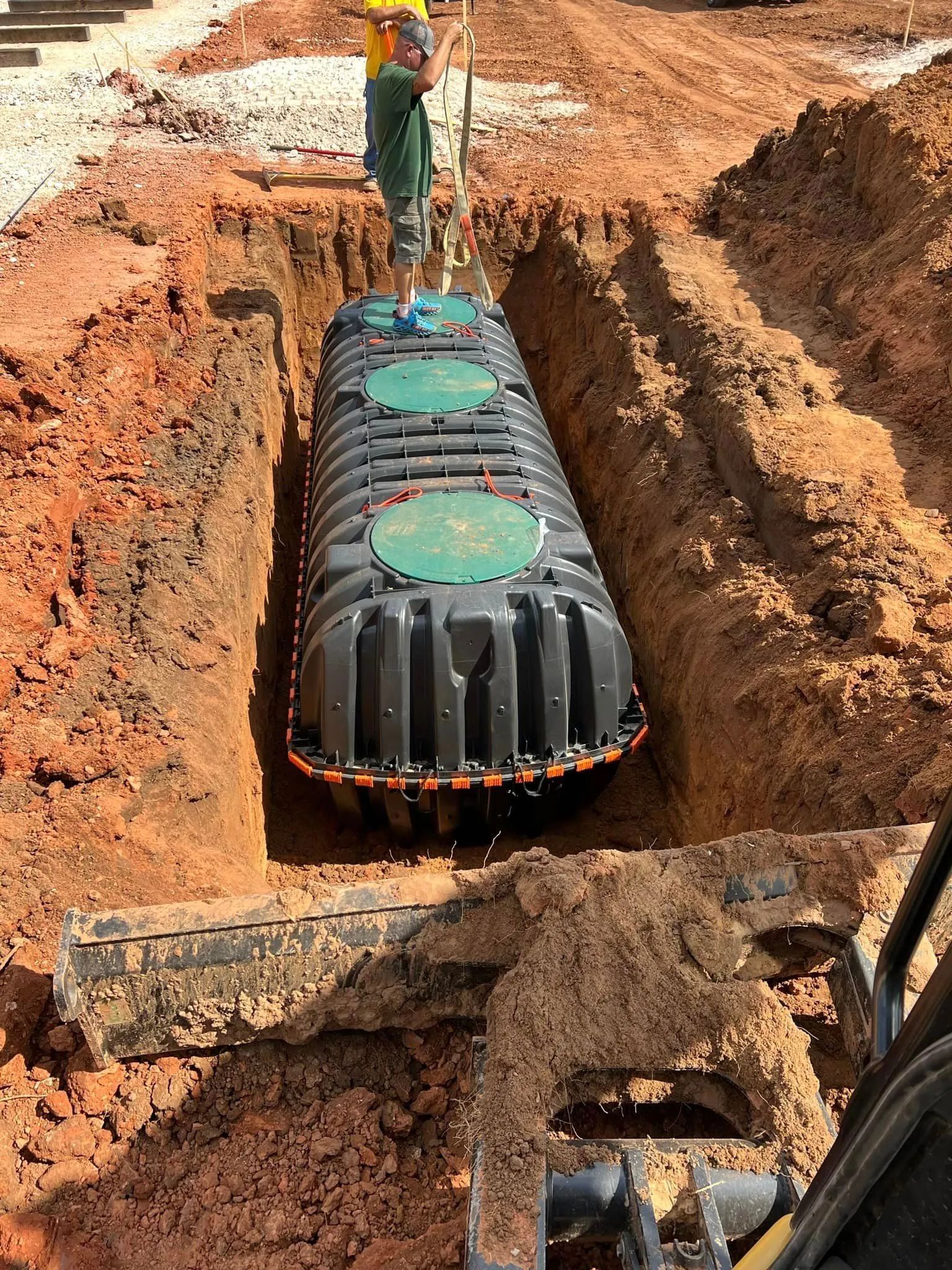
Ground conditions also affect safety. Unstable soil that shifts or collapses requires shoring, benching, or sloping to protect workers, and those protective measures carry their own expenses.
Project Scope and Excavation Depth
Size and Depth Are Never Just Numbers
A shallow trench for a residential drainage line and a deep foundation excavation for a multi-story building are both technically excavation work, but they share almost nothing in terms of time, equipment, or labor requirements. The broader the footprint and the deeper the dig, the more every aspect of the project scales upward.
Depth is particularly important because it changes how soil must be managed. Deep excavations require careful removal and hauling of large material volumes. They may also trigger permit thresholds that require engineering review or inspections at various stages of the dig. Each additional foot of depth adds time, increases material volume, and raises the exposure risk for crews working in the trench.
Square footage also matters. A large lot clearing or a wide building pad requires the machine to cover more ground, reposition more frequently, and manage more material overall. Contractors price scope carefully because underestimating it leads to losses on their end, and overages on yours.
Hauling and Spoils Disposal
What Happens to the Dirt You Remove
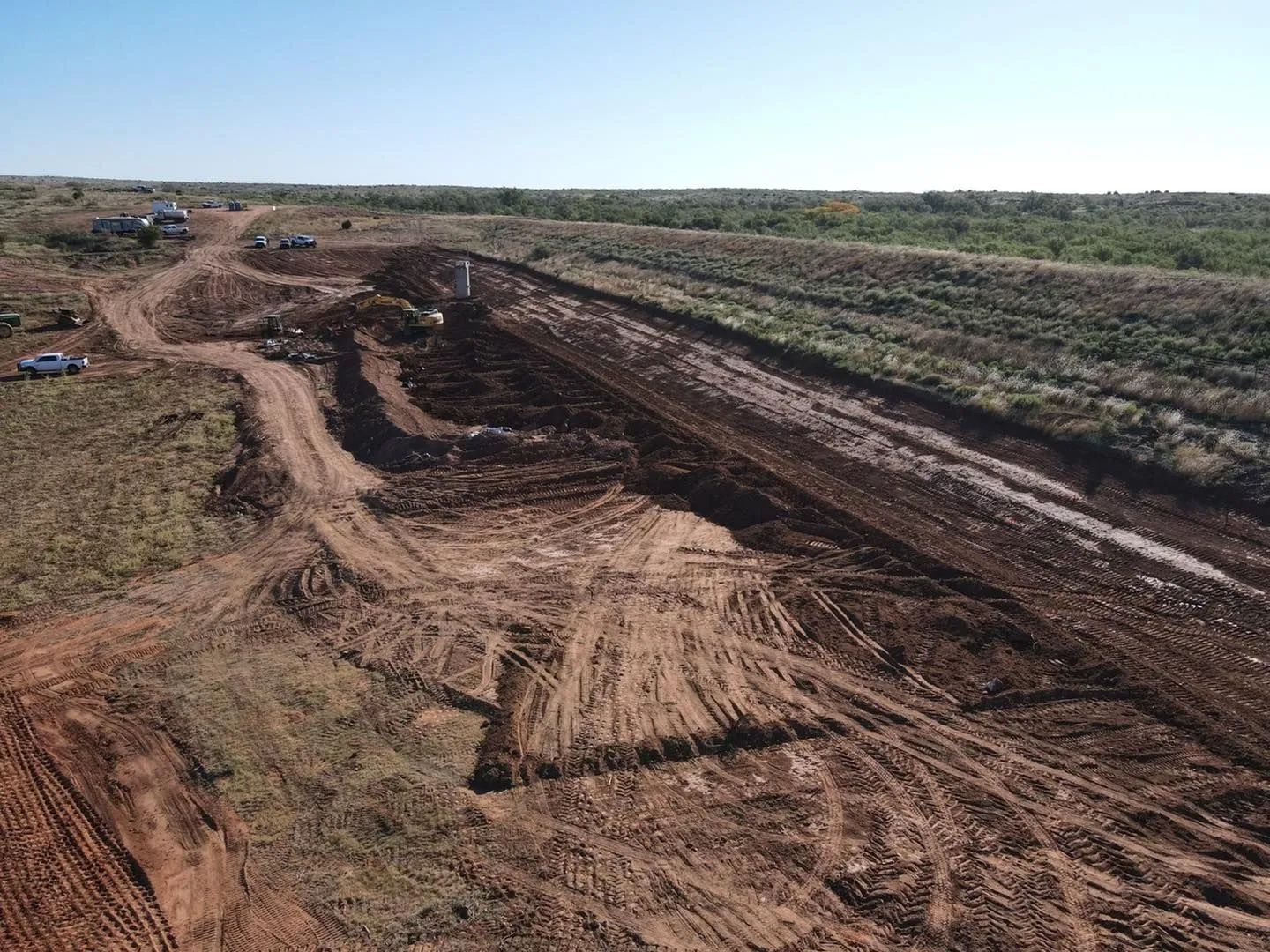
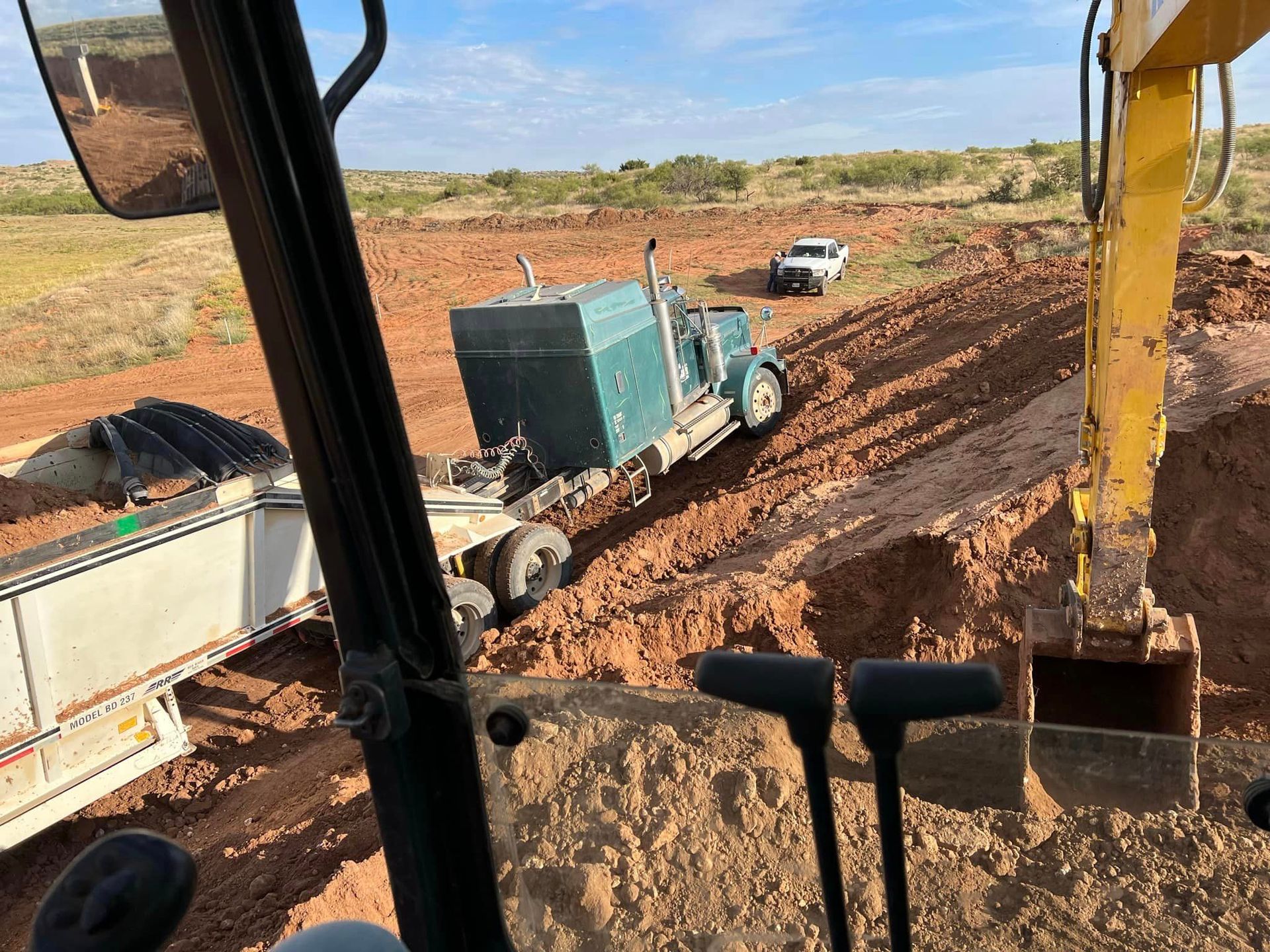
Every cubic yard of material that comes out of the ground has to go somewhere. In some projects, excavated soil is stockpiled on-site for backfill use later in the project. In others, every load must be hauled off the property entirely, which adds truck time, fuel, and disposal fees to the overall price.
Contaminated soil adds another layer of concern. If a site has any history of fuel storage, industrial use, or chemical exposure, the excavated material may need to be tested and transported to a licensed facility. This is not a situation where standard hauling rates apply.
Even clean fill disposal carries varying expenses depending on how far the nearest accepted landfill or transfer station is from the job site. A project twenty minutes from a disposal facility will cost less than one requiring an hour-long haul each way.
Contractors who handle their own hauling often provide more streamlined pricing, since there is no third-party trucking markup involved. It is worth asking whether hauling is included in a bid or listed as a separate line item.
Access, Site Conditions, and Mobilization
Getting Equipment to Your Property Is Part of the Work
Equipment mobilization refers to the process of transporting excavators, bulldozers, and support machinery to and from the job site. This is rarely free. The distance from the contractor's yard to your property, the difficulty of loading and unloading equipment from trailers, and the number of trips required all factor into the final number.
Site access is equally important. Properties with narrow driveways, steep grades, low-hanging lines, or confined entry points require more time and planning to work around. In some cases, smaller equipment must be substituted for standard machines, which can slow progress on jobs that would otherwise move quickly.
Urban and suburban job sites often come with added constraints like street permits, noise ordinances, limited staging areas, and neighboring structures that require careful clearance management. Each of these constraints translates into planning time, potential permit fees, and adjusted working windows that affect overall project duration.
Permits, Utility Locates, and Site Preparation
The Work Before the Work
Before an excavator turns a single bucket of earth, a significant amount of preparatory work must occur. Permits are required for most commercial and many residential excavation projects, and fees vary widely by municipality. Some jurisdictions process permits in days; others take weeks, which can affect your project start date.
Utility locating is mandatory before any ground is broken. Services like 811 in the United States coordinate with utility providers to mark underground lines for gas, water, electric, and telecommunications. This step is non-negotiable, and in cases where utility lines run through or near the excavation zone, hand-digging or vacuum excavation may be required to prevent damage, both of which take more time than machine digging.
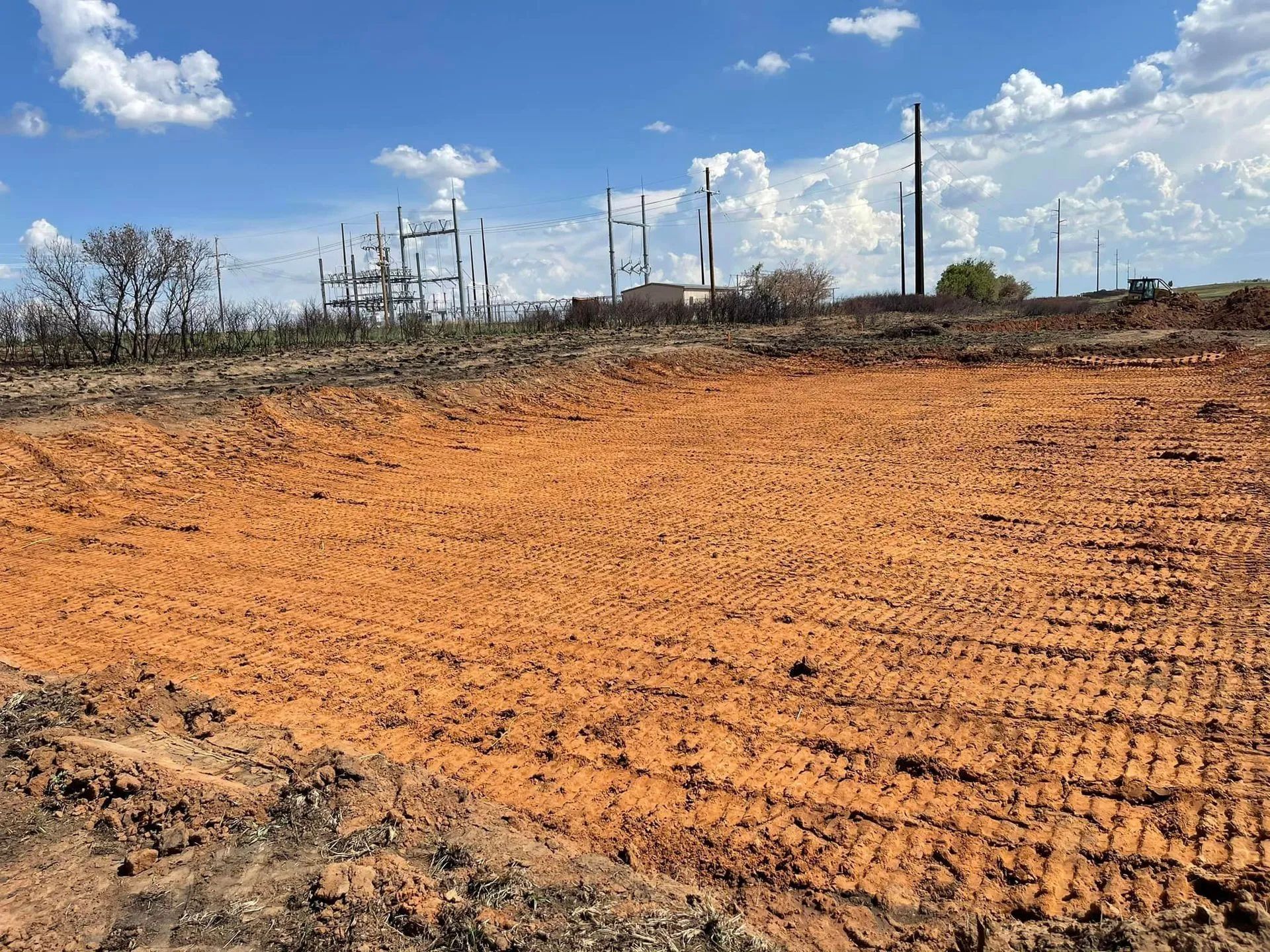
Site clearing prior to excavation, including tree removal, stump grinding, debris clearing, and grubbing, may be handled by the same contractor or subcontracted separately. Either way, it is part of the overall project budget and should be discussed upfront.
Equipment Selection and Project Complexity
The Right Machine for the Right Job
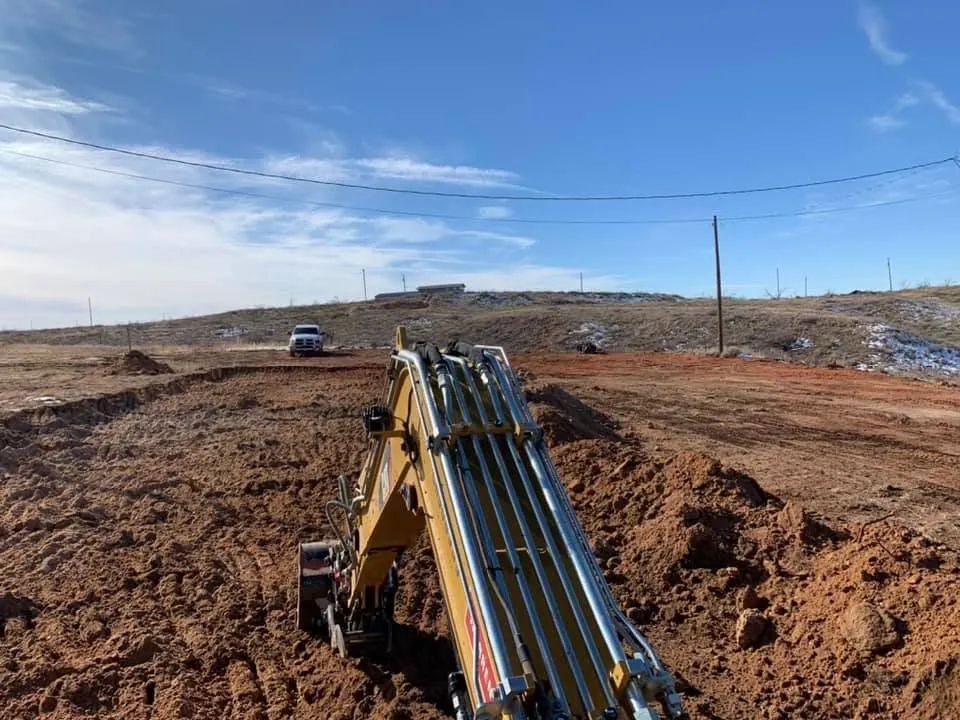
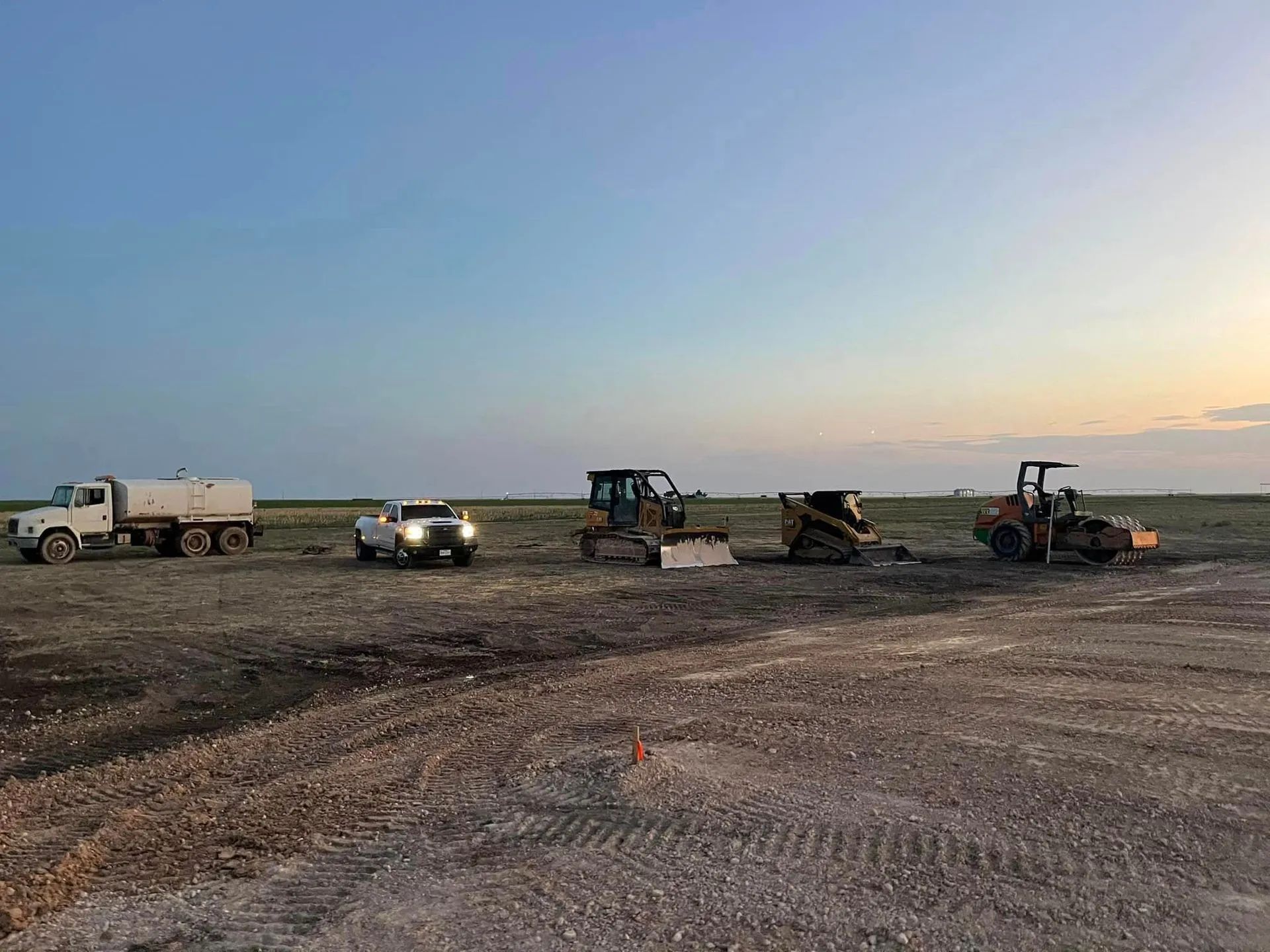
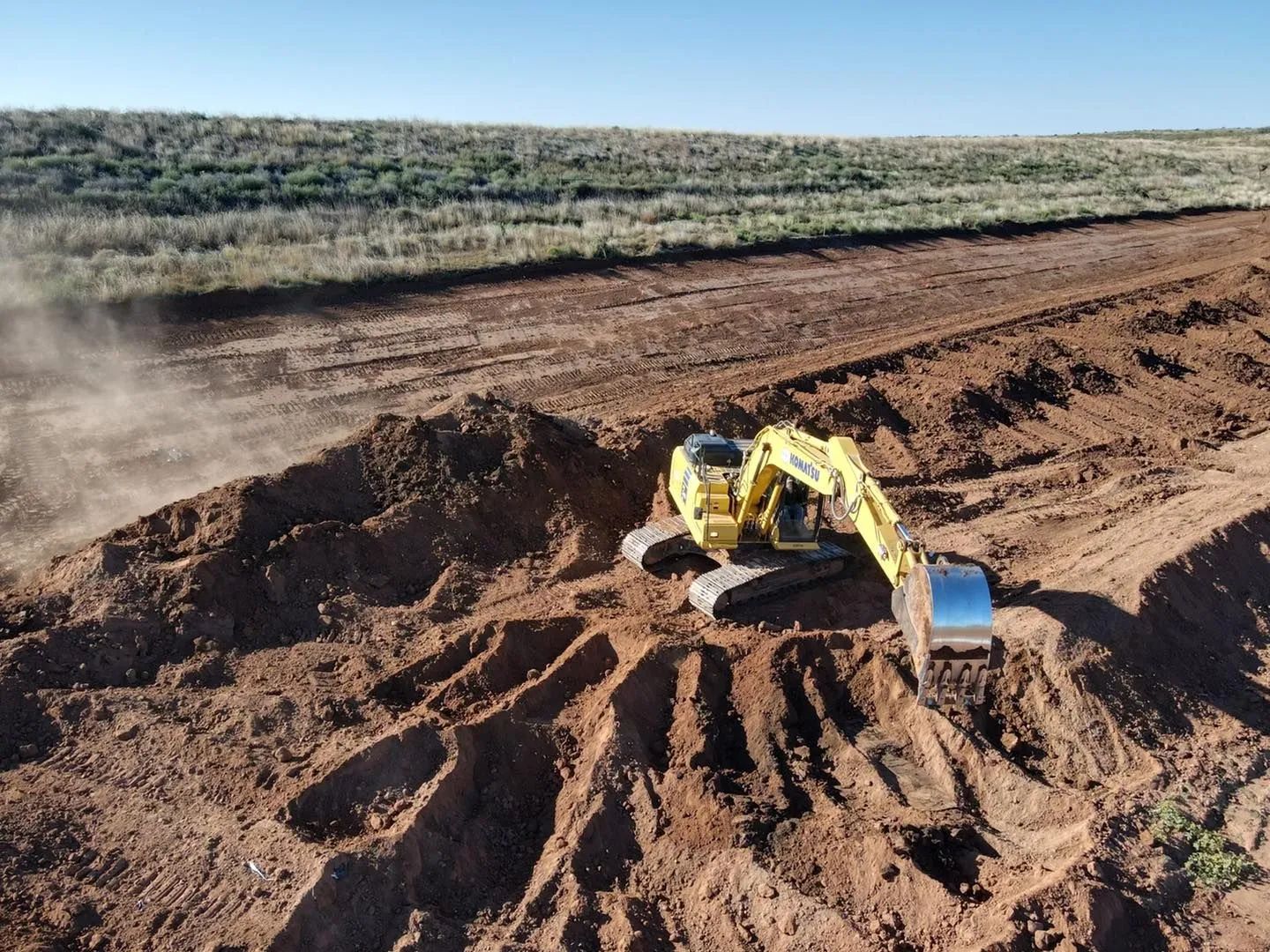
Excavation is not a one-size situation. A mini excavator works well for tight residential spaces or shallow utility trenches. A full-size hydraulic excavator handles large foundation work, pond construction, and land grading at scale. A bulldozer moves large volumes of material across open land. Scrapers work on road grading. The complexity of the job determines which machines are needed, and more specialized equipment carries higher day rates.
Multi-phase projects add another layer of complexity. If your project requires excavation, grading, compaction, and drainage work in sequence, each phase requires its own planning and potentially different machinery. Contractors who can handle multiple phases under one agreement often deliver better scheduling and fewer hand-off issues than those who subcontract individual stages.
The experience level of the operator also plays a quiet but important role. A skilled operator works efficiently, minimizes rework, and protects adjacent structures. Inexperienced operation leads to over-excavation, grade errors, and sometimes damage to buried utilities, all of which increase the final number.
Your Local Excavation Experts With Proven On-Site Knowledge
The Work Before the Work
Excavation pricing is shaped by a combination of factors that are specific to your site, your project, and the conditions that exist beneath the surface. Soil type, project depth, haul requirements, access constraints, permits, equipment needs, and site preparation all contribute to what you ultimately pay. Knowing these variables in advance allows you to have more productive conversations with contractors, evaluate bids with greater confidence, and plan your project timeline with realistic expectations. No two excavation projects are identical, which is why a professional site assessment is always the right starting point before any numbers are discussed.
At Coles Custom Dirt Work, we bring over a decade of hands-on excavation experience to residential and commercial projects across Amarillo, Canyon, and Borger, Texas. Our work spans land clearing, foundation excavation, pond construction, grading, drainage, and utility trenching, and we handle each project with the same level of attention regardless of scale.
We understand the Texas Panhandle landscape and the soil conditions, permit requirements, and access challenges that come with it. When you work with us, you get a crew that has seen the unexpected and knows how to handle it without letting it derail your timeline or your budget. We provide honest assessments, transparent proposals, and workmanship that holds up long after the machines leave the site. If you are planning an excavation project in the Amarillo area, we are ready to walk your property, evaluate your scope, and give you a clear picture of what the work actually involves.
Frequently Asked Questions
1. What is the most common reason excavation projects go over budget?
Unexpected subsurface conditions are the leading cause. Rock, high groundwater, buried debris, or abandoned utilities discovered during digging require unplanned work that was not included in the original scope or bid.
2. Does soil type affect how long excavation takes?
Yes, significantly. Rocky or clay-heavy soils slow machine cycle times, require specialized attachments, and sometimes need multiple passes to achieve the required depth or grade, adding measurable hours to any project.
3. Are utility locates included in the excavation bid?
Utility locates through services like 811 are typically handled by the contractor as part of standard pre-construction practice. Any specialized private locating services may be billed separately and should be clarified before work begins.
4. What is mobilization, and why does it appear on excavation invoices?
Mobilization covers the transport of equipment to and from your job site using flatbed trailers. It reflects real fuel, labor, and time expenses and is a standard line item in most professional excavation proposals.
5. Can excavated soil be reused on the same project?
In many cases, yes. Clean native soil is often stockpiled on-site and used for backfill, final grading, or compaction work later in the project. This reduces hauling expenses and makes use of material already on your property.