How to Prepare Your Land for Construction: Step-by-Step Guide
Preparing land for construction is one of the most important stages of any building project because it directly affects safety, structural stability, drainage, accessibility, and long-term property value. Before construction equipment arrives and foundations are poured, the land must undergo careful evaluation and preparation to support the intended structure. Poor site preparation can lead to erosion problems, unstable foundations, drainage failures, permit delays, and expensive corrections during construction. Whether the project involves residential development, agricultural structures, commercial buildings, or utility installations, every successful construction process begins with a properly prepared site. Landowners who understand the preparation process can make informed decisions, avoid preventable setbacks, and improve overall project efficiency from the beginning.
Construction site preparation involves far more than clearing dirt and removing vegetation. The process includes surveying, grading, excavation, soil analysis, drainage planning, access preparation, and compliance with local regulations. Each step requires attention to detail because site conditions vary depending on terrain, soil composition, weather patterns, and project scope. Proper planning also helps reduce safety hazards while protecting nearby properties and environmental conditions. By approaching land preparation with a structured plan, property owners can create a strong foundation for construction while minimizing delays, reducing long-term maintenance concerns, and supporting a smoother building process from start to finish.
Understanding Site Evaluation Before Construction
Conducting a Professional Land Survey
Every land preparation project should begin with a detailed land survey. Surveying identifies legal property boundaries, elevation changes, easements, utility locations, and existing site conditions. Without accurate measurements, construction projects may encounter boundary disputes, grading issues, or permitting complications later in the process.
Professional surveyors use advanced equipment to map the property and provide accurate site data for engineers, contractors, and builders. This information helps determine where structures, driveways, drainage systems, and utilities can safely be placed. In rural areas or undeveloped land, surveys also help identify hidden obstacles such as buried debris, uneven terrain, or inaccessible sections.
For example, a property owner preparing land for a new workshop may discover that part of the proposed building area falls within a utility easement. Identifying this issue early prevents expensive redesigns after excavation begins.
Evaluating Soil Conditions and Stability
Soil testing plays a major role in determining whether the land can safely support construction. Different soil types react differently to moisture, weight, and weather conditions. Clay-heavy soil may expand and contract, sandy soil may shift under pressure, and poorly compacted soil can lead to foundation movement.
Geotechnical testing helps identify soil composition, drainage behavior, and load-bearing capacity. Engineers use these findings to recommend grading adjustments, compaction methods, or foundation modifications before construction starts.
Ignoring soil conditions can create long-term structural problems. Cracked foundations, uneven flooring, and water intrusion often result from poor soil preparation. Investing in proper testing early in the project helps avoid these costly issues later.
Clearing and Removing Obstacles From the Property
Vegetation and Tree Removal
Once the site has been evaluated, the next step involves clearing vegetation, trees, brush, and debris from the construction area. Overgrown vegetation can interfere with grading equipment, excavation work, and utility installation. Tree roots may also create underground instability if not removed properly.
Selective clearing is often recommended to preserve healthy trees outside the building zone while removing vegetation that obstructs construction activities. Careful planning also helps prevent unnecessary environmental disruption and soil erosion.
For example, a landowner preparing acreage for a home site may need to remove thick brush and dead trees to create safe access for heavy equipment. Leaving decaying roots underground could later cause settling problems beneath driveways or foundations.
Demolition and Debris Removal
Some properties contain abandoned structures, concrete slabs, fencing, or buried materials that must be removed before grading begins. Old foundations, construction waste, and underground debris can interfere with excavation and create uneven ground conditions.
Professional debris removal ensures the site is cleared safely while complying with disposal regulations. Materials such as concrete, metal, asphalt, and contaminated soil often require specialized handling depending on local requirements.
Construction preparation also includes identifying underground utility lines before excavation begins. Contacting utility locating services helps prevent accidental damage to gas, water, electrical, or communication lines during site work.
Grading and Excavation for Proper Land Preparation
Understanding the Importance of Land Grading
Land grading shapes the property to support proper drainage and structural stability. Poor grading can cause standing water, soil erosion, flooding near foundations, and landscape deterioration after construction is complete.
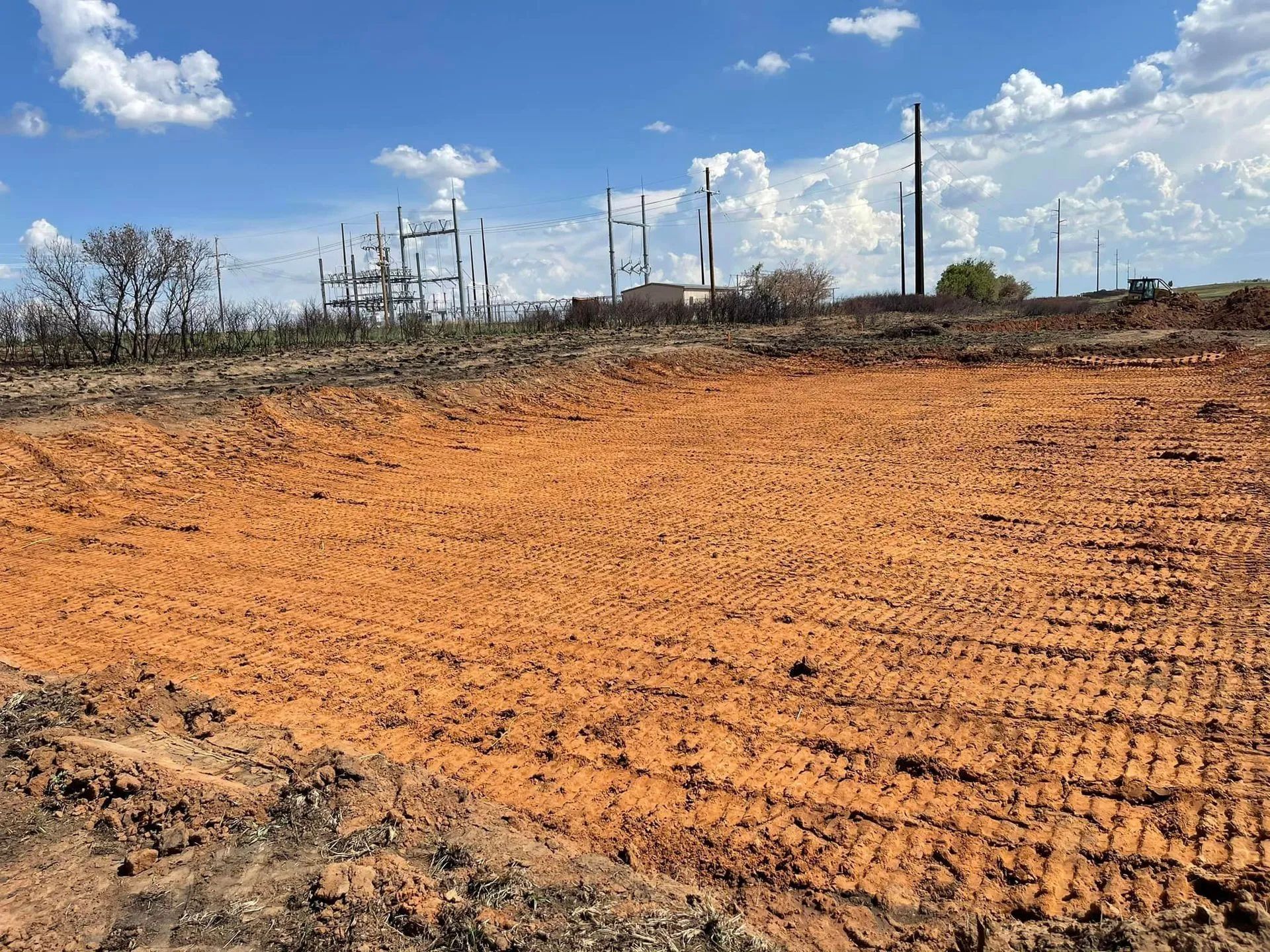
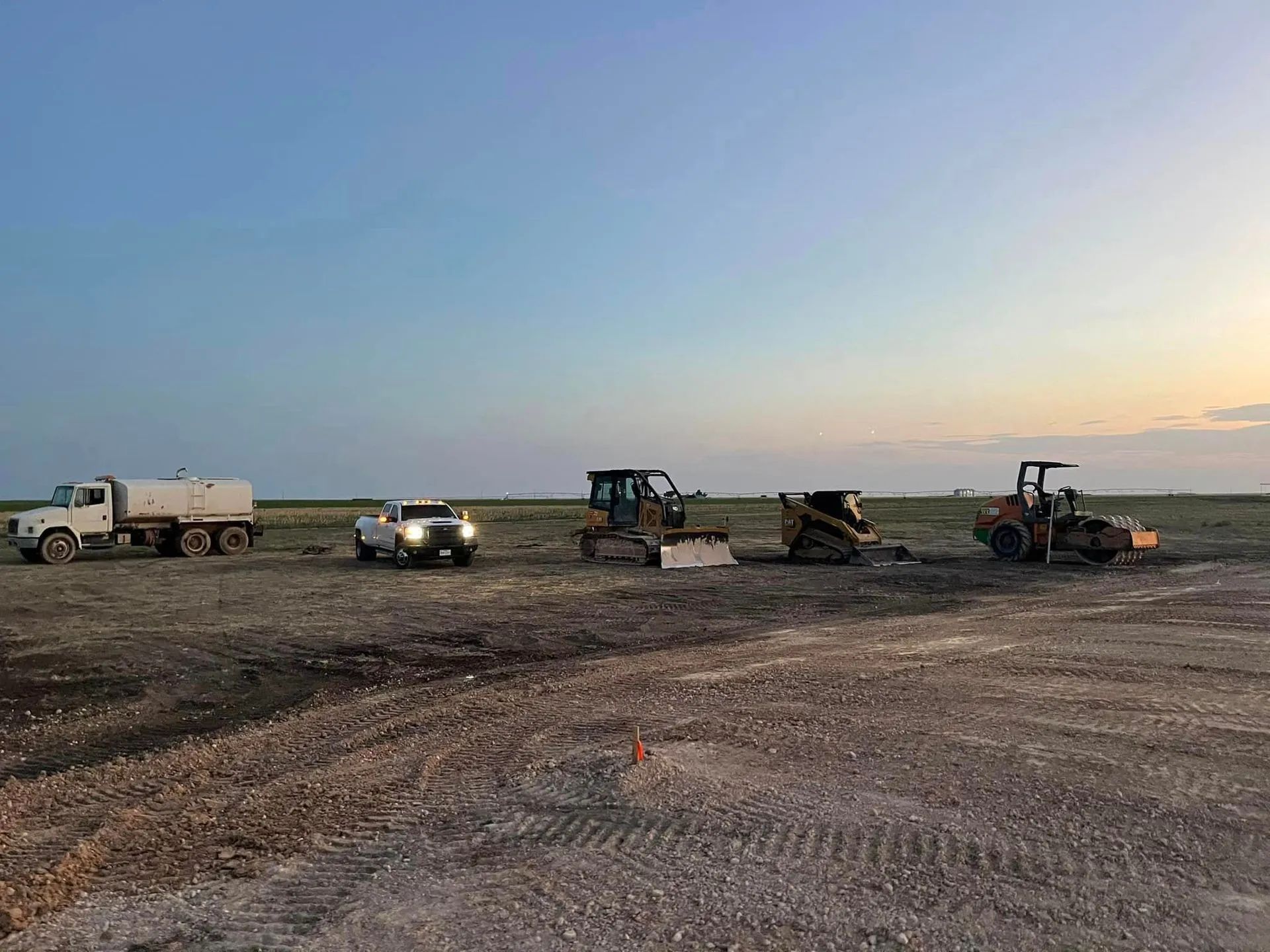
Professional grading creates controlled slopes that direct water away from buildings while establishing stable surfaces for roads, foundations, and outdoor features. Grading may involve cutting high areas, filling low sections, compacting soil, and reshaping uneven terrain.
For example, a property with natural depressions may collect rainwater near the planned building area. Without corrective grading, water accumulation could weaken the foundation and damage surrounding structures over time.
Excavation and Foundation Preparation
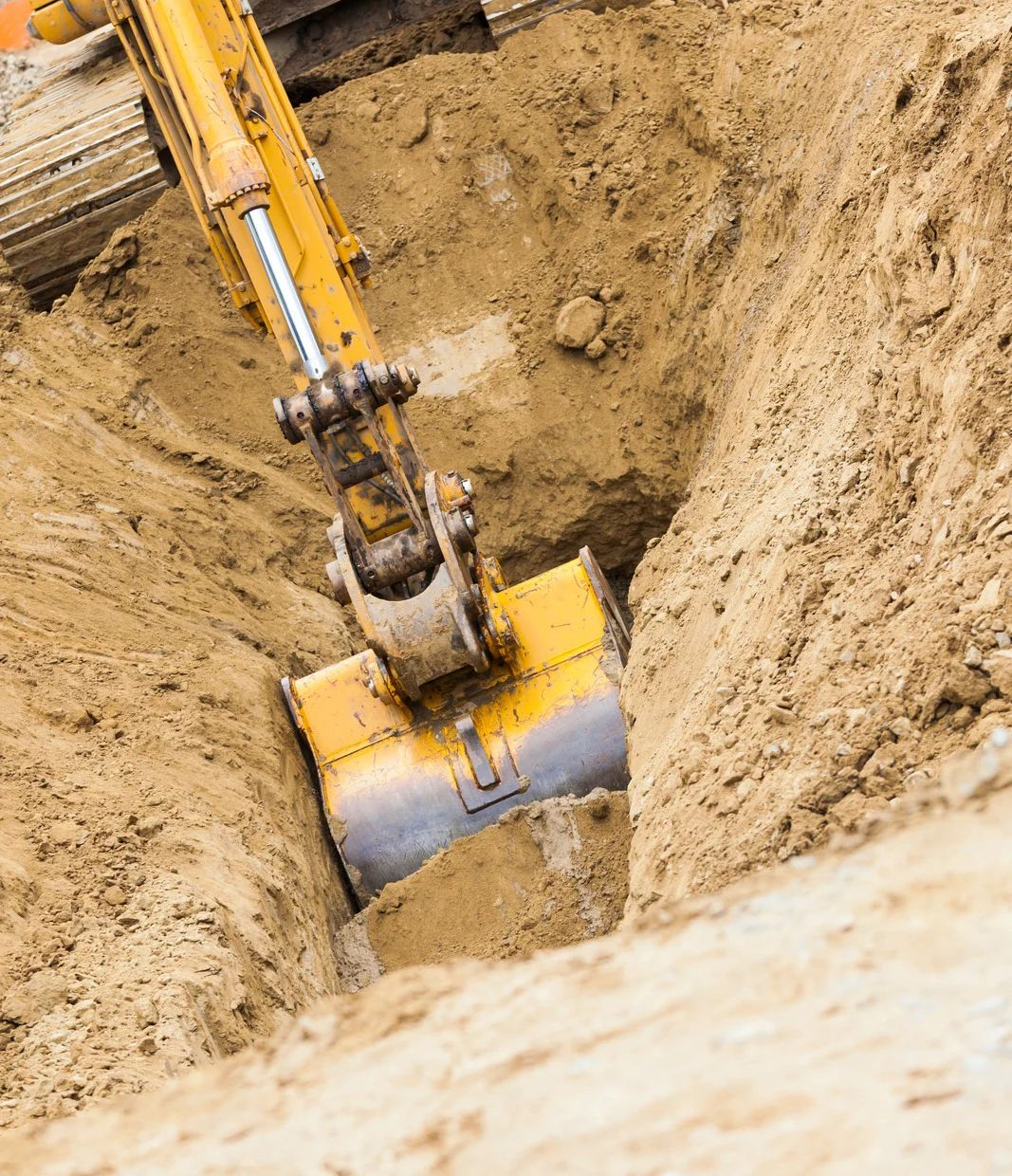
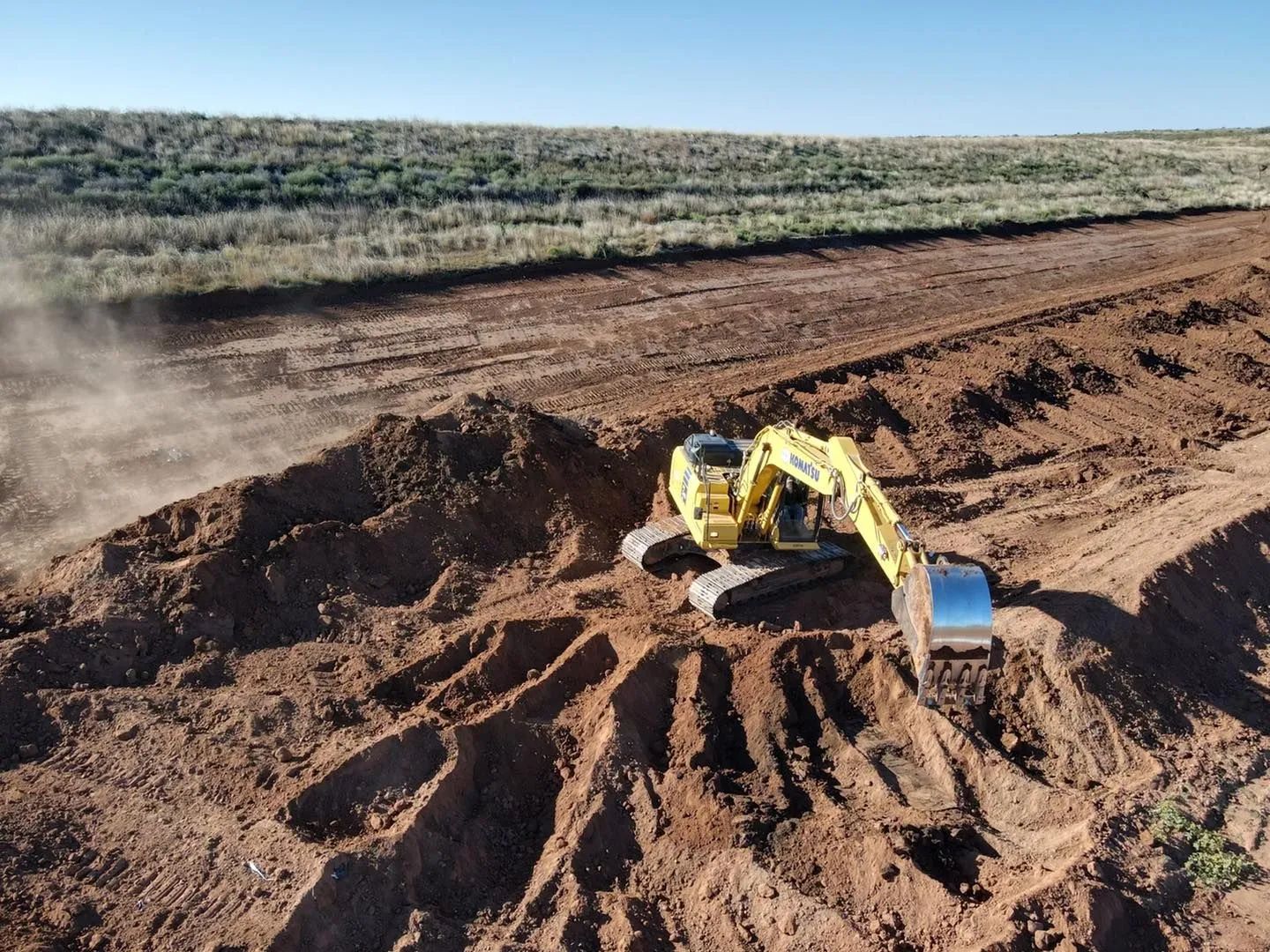
Excavation removes soil and prepares the ground for foundations, utilities, drainage systems, and retaining structures. The excavation process depends on project size, soil conditions, and the type of structure being built.
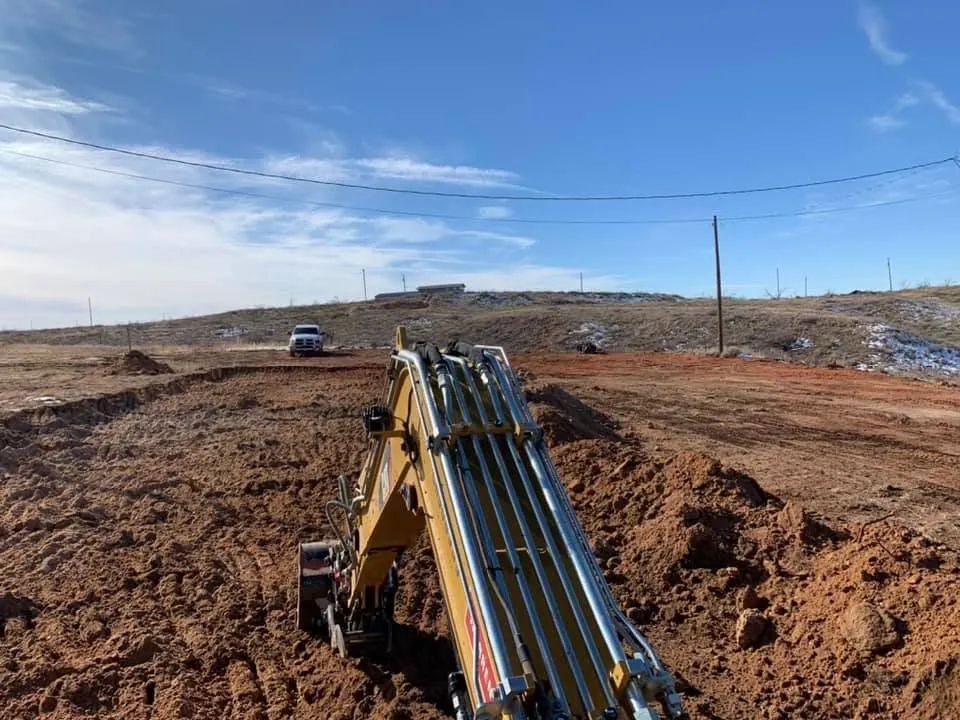
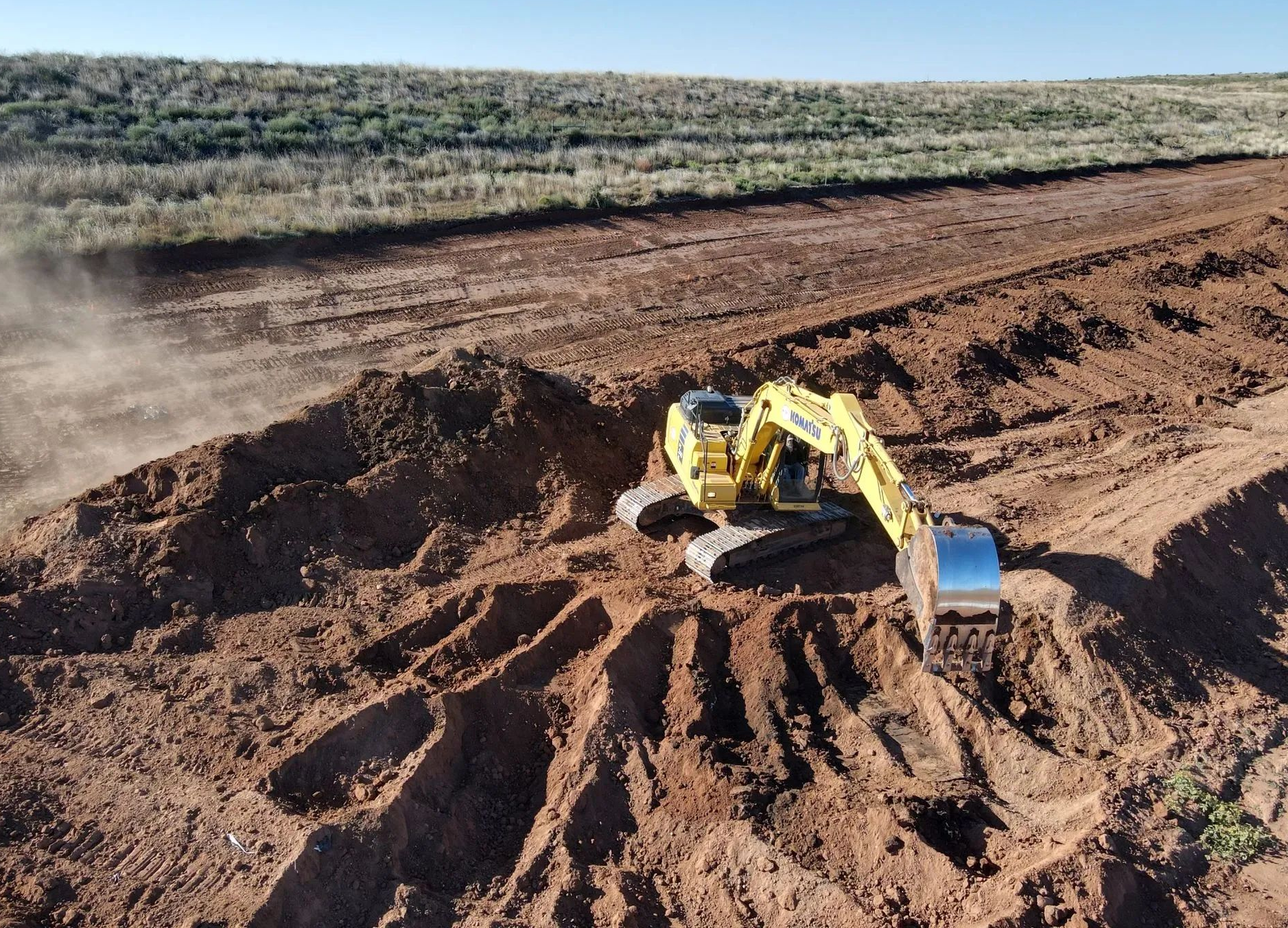
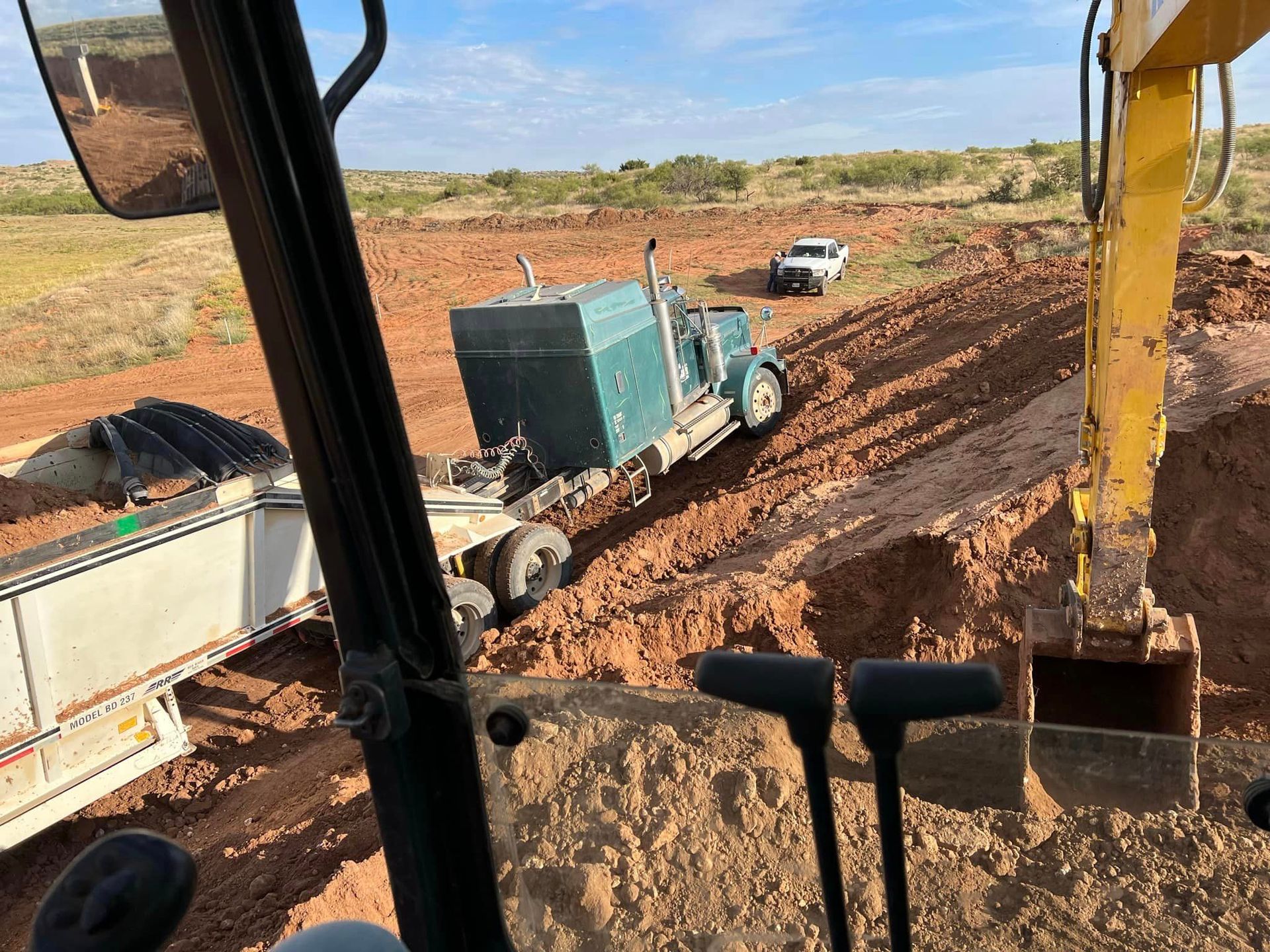
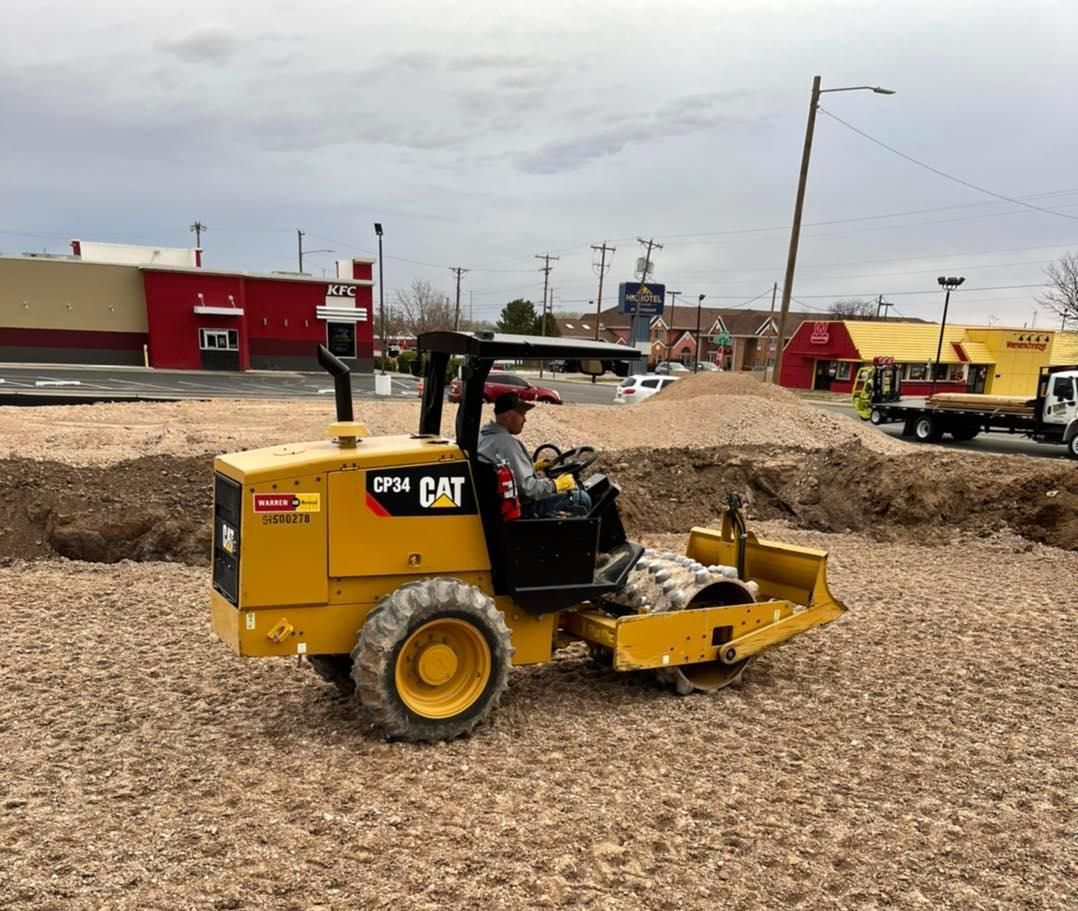
Excavation crews use heavy equipment to dig foundation trenches, level construction pads, and create pathways for underground systems. Proper depth, slope accuracy, and soil compaction all influence the stability of the final structure.
Compaction is especially important because loose soil can settle after construction. Mechanical compaction strengthens the soil and reduces the risk of shifting beneath foundations or paved surfaces.
In some cases, excavation may uncover hidden challenges such as unstable soil pockets, underground rock formations, or excess groundwater. Addressing these conditions during preparation helps avoid delays once construction begins.
Planning Drainage and Utility Access
Designing Effective Drainage Solutions
Water management is one of the most overlooked aspects of land preparation, yet it has a direct impact on long-term property performance. Without proper drainage systems, rainwater can damage foundations, erode landscaping, weaken soil, and create standing water around structures.
Drainage planning includes evaluating natural water flow, identifying low-lying areas, and installing solutions such as swales, culverts, French drains, retention ponds, or grading adjustments. Stormwater management becomes even more important in regions that experience heavy rainfall or rapid weather changes.
For example, commercial construction sites often require engineered drainage systems to handle runoff from parking areas and rooftops. Residential properties may need drainage channels to prevent water from pooling near the home.
A properly designed drainage system protects both the structure and surrounding land while supporting long-term property maintenance.
Preparing Utility Connections
Construction projects require access to essential utilities including water, electricity, gas, sewer, and communication lines. Planning these connections before construction begins helps prevent costly modifications later.
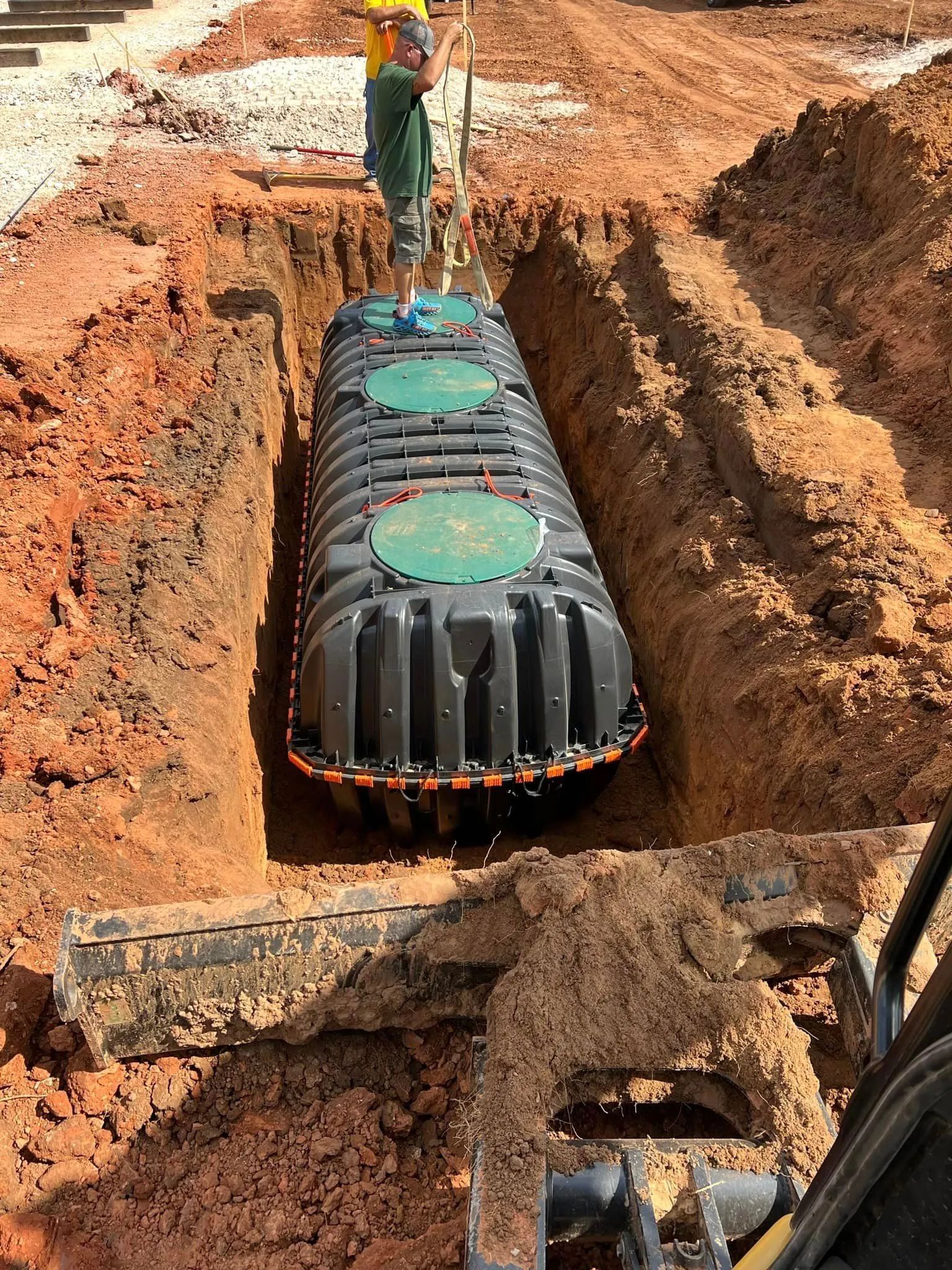
Utility preparation may involve trenching, conduit installation, septic planning, or coordination with local utility providers. Access routes for equipment and service vehicles should also be established during this phase.
Rural properties often require additional preparation because utilities may need to extend significant distances across undeveloped land. Coordinating utility placement with grading and excavation activities reduces unnecessary site disruption and improves overall project organization.
Careful utility planning also helps maintain safety standards and regulatory compliance throughout the construction process.
Obtaining Permits and Meeting Local Regulations
Understanding Permit Requirements
Most construction projects require permits before land clearing, excavation, or grading can begin. Permit requirements vary depending on location, zoning laws, environmental regulations, and project size.
Common permits may include grading permits, erosion control approvals, septic permits, utility permits, and building permits. Failing to secure proper approvals can result in work stoppages, fines, or legal complications.
Property owners should work closely with local authorities, surveyors, engineers, and contractors to ensure compliance throughout the preparation process. Early communication with permitting offices also helps prevent delays once construction schedules are established.
Erosion Control and Environmental Compliance
Construction site preparation must also address environmental responsibilities. Soil disturbance can increase erosion risks, affect nearby waterways, and damage surrounding ecosystems if preventive measures are not implemented.
Erosion control strategies may include silt fencing, sediment barriers, temporary vegetation, drainage controls, and stabilized construction entrances. These measures help contain soil movement during excavation and grading activities.
For example, properties near creeks or drainage channels may require additional environmental protections before site work begins. Construction projects that disturb large areas of land often face stricter compliance requirements to minimize environmental impact.
Following environmental regulations protects both the property owner and surrounding community while supporting responsible land development practices.
Trusted Construction Site Preparation Across Texas Communities
At Coles Custom Dirt Work, we proudly provide professional land preparation and dirt work services throughout Amarillo, Canyon, and Borger, Texas. With 10 years of hands-on industry experience, we understand the importance of proper site preparation before any construction project begins. Our work focuses on helping property owners create stable, properly graded, and construction-ready land for residential, agricultural, and commercial development projects.
We handle critical site preparation services including excavation, grading, land clearing, drainage preparation, and dirt work solutions designed to support long-term structural stability and safe construction conditions. Every property presents different terrain challenges, soil conditions, and project requirements, which is why we approach each job with careful planning and attention to detail from start to finish.
Our experience working across Texas properties allows us to understand local land conditions, weather patterns, and preparation requirements that influence successful construction projects. We believe strong construction starts with properly prepared ground, and we remain committed to delivering dependable workmanship that helps property owners move forward with confidence. Whether preparing land for new construction, utility access, or site development, we provide the professional support needed to help projects begin on solid ground.