Land Clearing and Excavation: Preparing Your Property for a Perfect Build
Every successful construction project begins long before the first brick is laid or the foundation is poured. The groundwork, quite literally, sets the stage for everything that follows. Land clearing and excavation are essential steps in this preparatory phase, ensuring that a property is ready to accommodate structures safely, efficiently, and sustainably. From residential homes to commercial developments, the condition of the land directly influences the longevity, stability, and cost-effectiveness of any build. Properly executed land preparation minimizes future challenges, including structural issues, drainage problems, and uneven settling, which can become costly if neglected.
Yet, land clearing and excavation involve more than simply removing trees, rocks, or debris. It requires careful assessment of soil quality, grading, slope management, and environmental considerations. These processes integrate engineering principles, construction knowledge, and local regulations to create a safe and build-ready plot. For property owners and developers, understanding the nuances of land preparation is critical to making informed decisions, selecting the right contractors, and ultimately achieving a build that meets design and safety expectations. In this blog, we will explore the comprehensive steps, benefits, challenges, and best practices associated with land clearing and excavation, providing a clear roadmap for preparing your property for a flawless construction project.
Understanding Land Clearing – The First Step to a Build-Ready Site
What is Land Clearing?
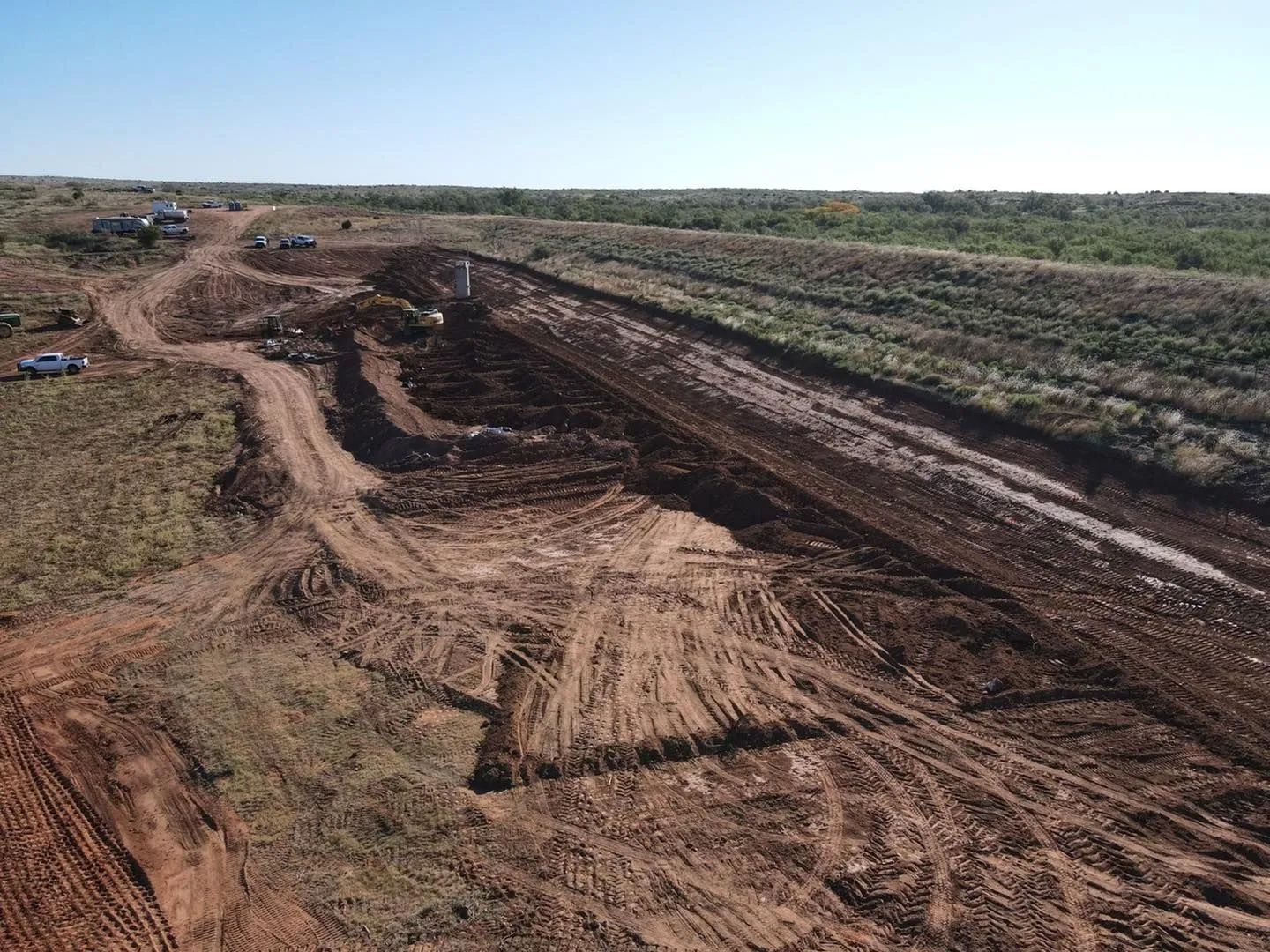
Land clearing involves the removal of natural and man-made obstacles from a plot of land to prepare it for construction. This includes vegetation, stumps, rocks, debris, and sometimes old structures. The goal is to create a level, safe, and accessible site suitable for excavation and foundation work.
While it may seem straightforward, effective land clearing requires careful planning and specialized equipment. Factors such as tree density, soil type, terrain slope, and proximity to utilities all influence the method used. Techniques range from mechanical removal using bulldozers, excavators, and brush cutters, to controlled burning in specific contexts.
Importance of Land Clearing
- Safety – Removing hazardous trees, rocks, or unstable terrain reduces risk to construction workers.
- Efficiency – A cleared site allows for smoother excavation, grading, and equipment maneuvering.
- Foundation Integrity – Vegetation and debris can impact soil compaction and stability, affecting structural longevity.
- Regulatory Compliance – Proper land clearing ensures adherence to local zoning laws, environmental regulations, and permit requirements.
Real-World Scenario
Consider a residential lot in a heavily wooded area. Without professional clearing, hidden stumps or dense undergrowth could obstruct excavation equipment or compromise soil grading. This often leads to project delays and unexpected costs. A strategic land clearing plan ensures the site is ready for efficient excavation and foundation installation.
Excavation – Shaping the Land for Construction
The Role of Excavation
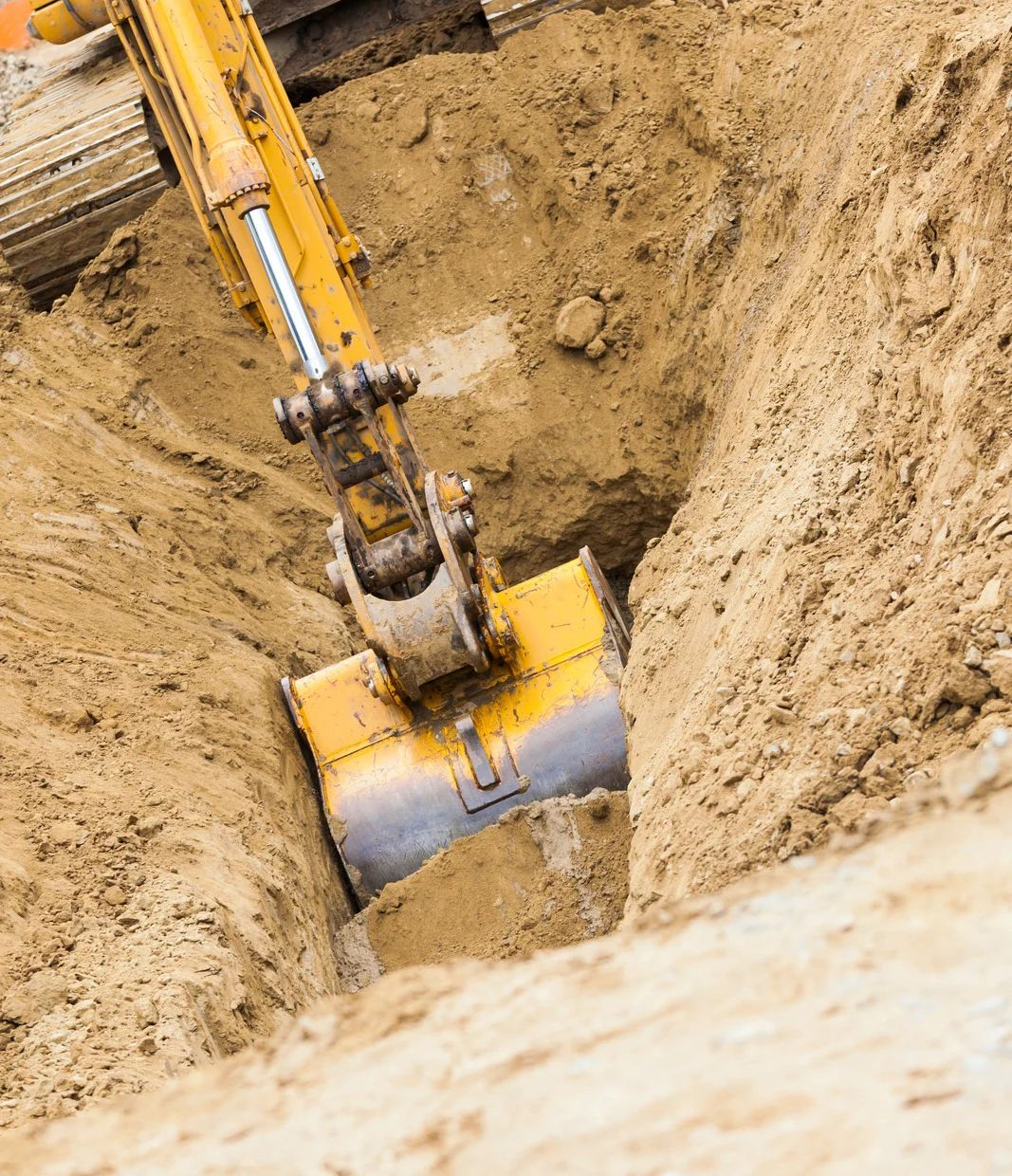
Excavation is the process of removing soil and rock to create a suitable foundation for construction. It is one of the most critical stages in site preparation because it directly affects the structural integrity of a building. Excavation is not merely digging; it involves precise calculations to achieve the correct depth, slope, and grading.
Types of Excavation
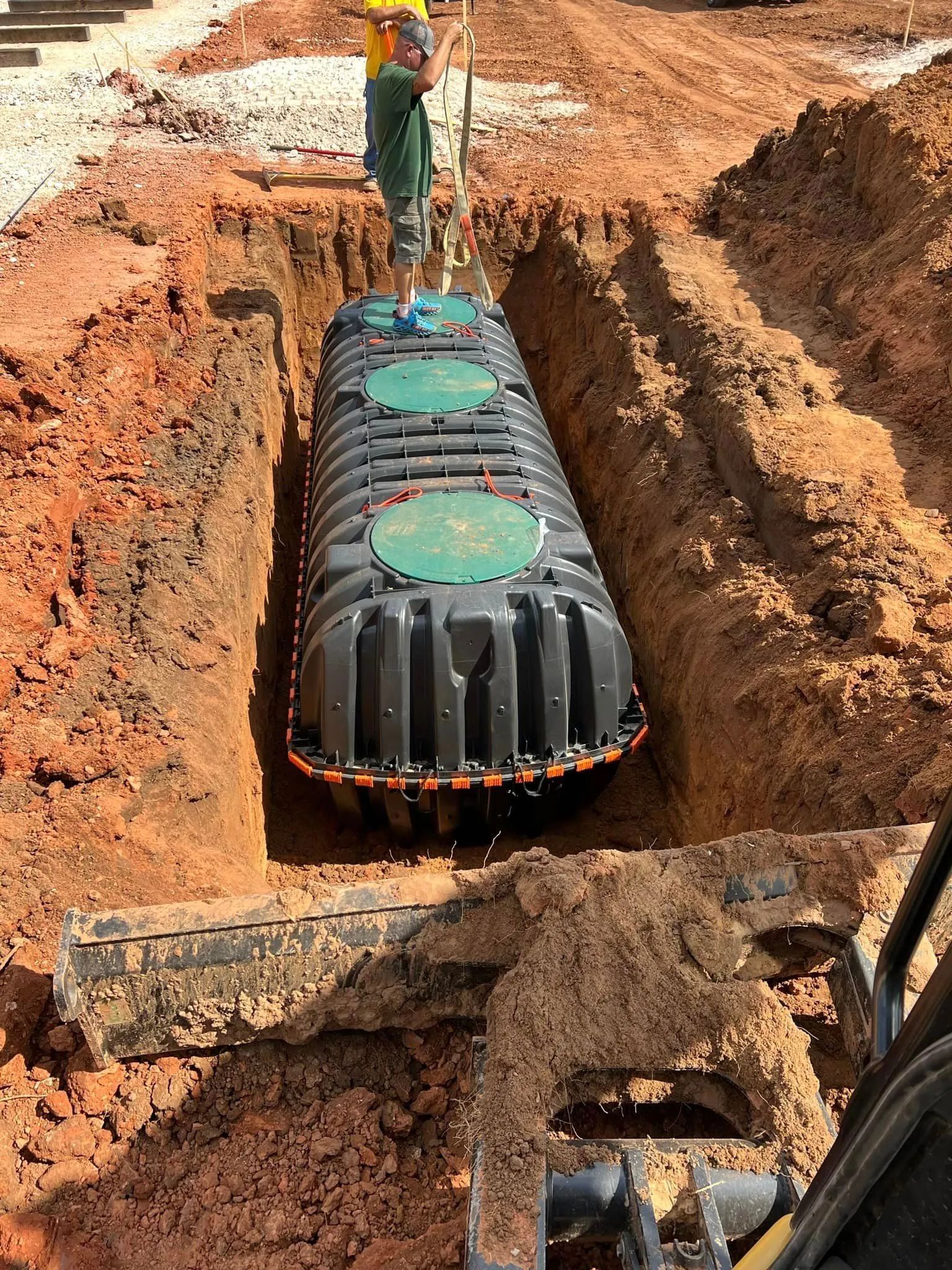
- Trench Excavation –
Used for utilities, drainage, or footing installations.
- Basement Excavation – Preparing space for multi-level structures or below-ground rooms.
- Cut and Fill –
Balancing soil removal and deposition to achieve a level construction surface.
- Site Grading – Smoothing and leveling land to facilitate drainage and structural stability.
Best Practices in Excavation
- Soil Testing – Conducting geotechnical analysis to assess soil bearing capacity.
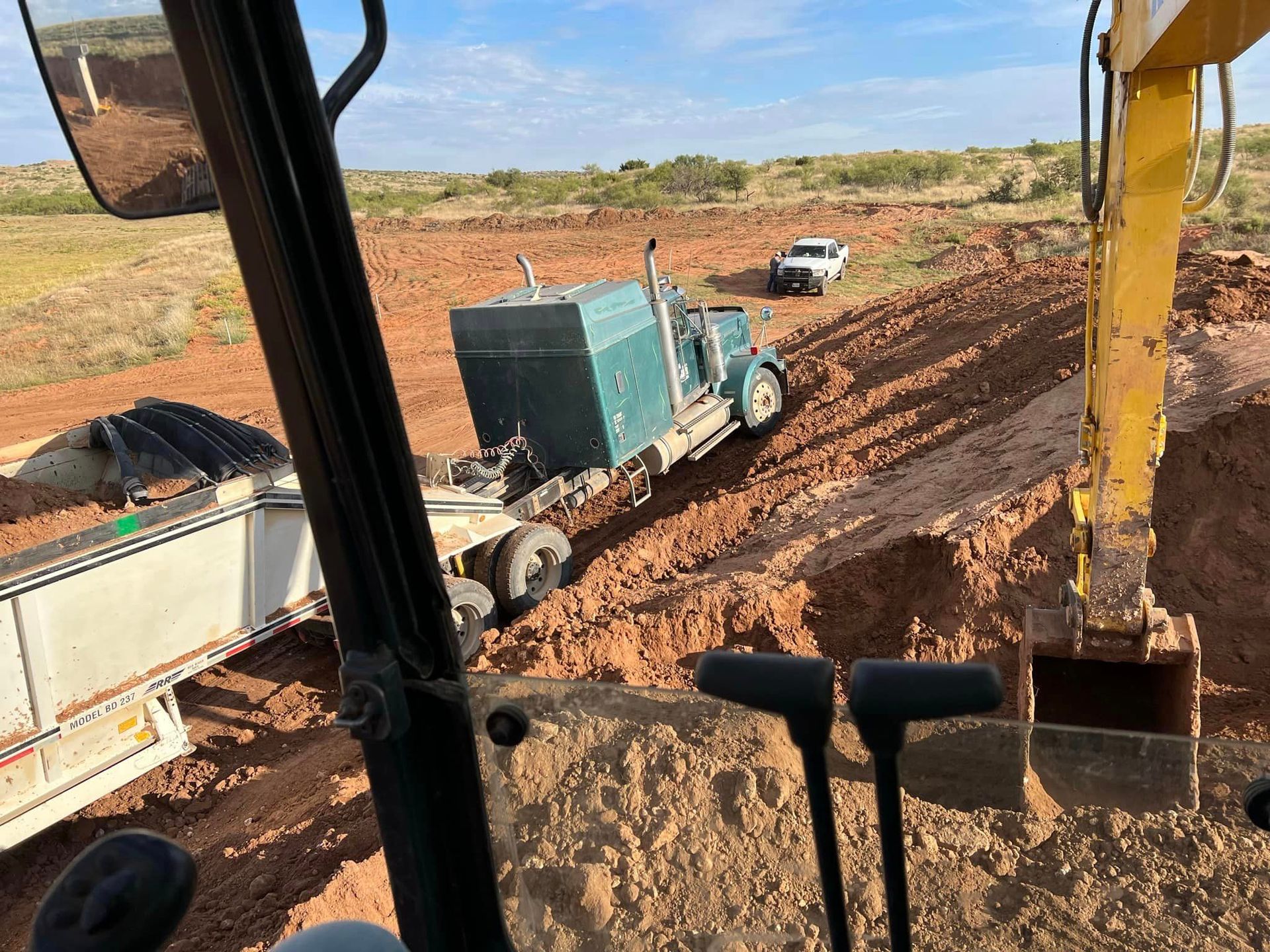
- Equipment Selection – Using excavators, backhoes, and graders appropriate for soil type and terrain.
- Erosion Control – Implementing measures to prevent runoff and sediment displacement.
- Safety Protocols – Ensuring trench supports, slope stabilization, and worker training are in place.
Example of Importance
In commercial construction, improper excavation can lead to uneven settling, causing foundation cracks and costly structural repairs. Conversely, precise excavation ensures a level, stable base that supports long-term durability and reduces maintenance costs.
Grading and Soil Management – Ensuring Stability and Drainage
Understanding Grading
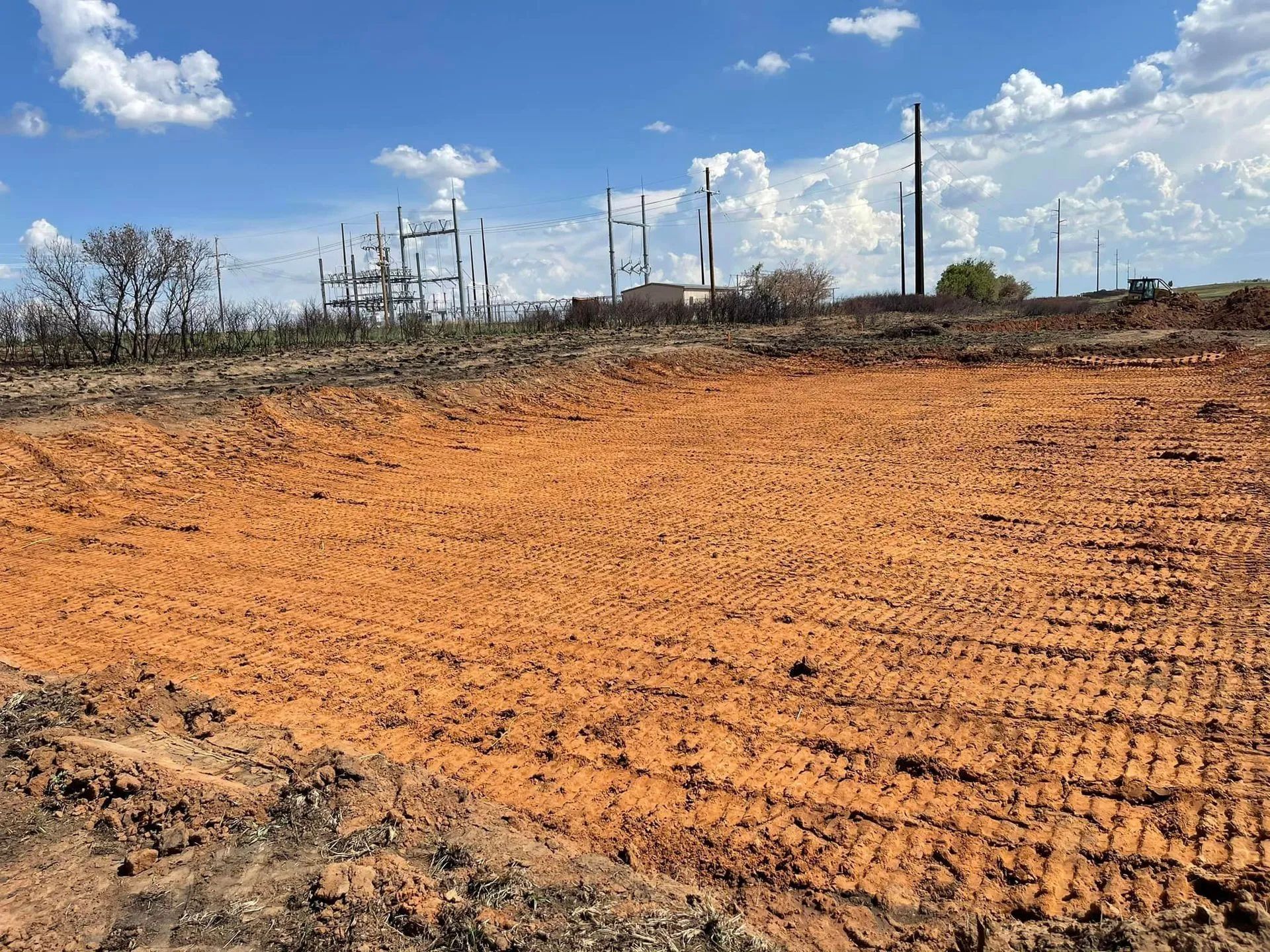
Grading is the process of shaping the land to create a level surface or a controlled slope for water runoff. Proper grading is essential for preventing water accumulation around foundations, which can lead to erosion, flooding, or basement leaks.
Types of Grading
- Rough Grading –
Establishing the general slope and elevation of the site.
- Fine Grading – Creating a smooth, precise surface ready for foundation or landscaping.
Soil Compaction and Management
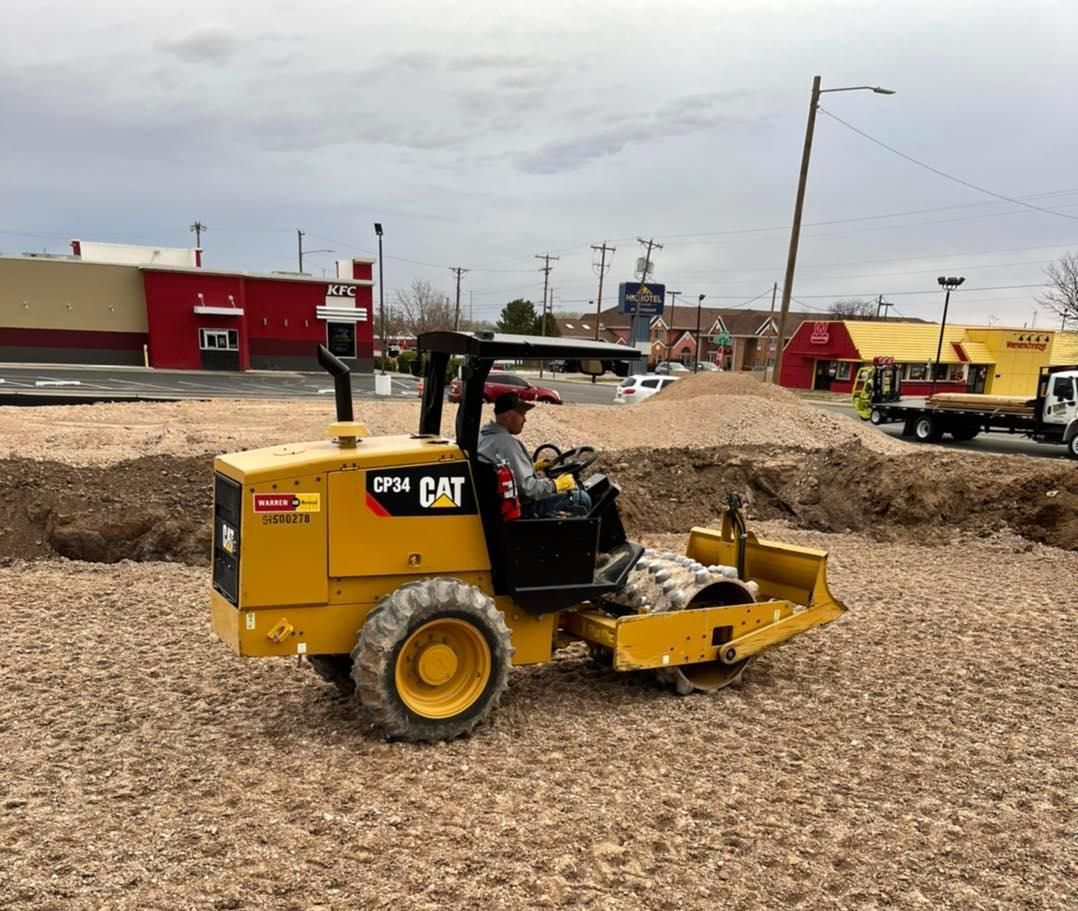
- Compaction – Ensures the soil can support the weight of the structure without excessive settling.
- Soil Stabilization – Adding materials like gravel, lime, or cement to improve load-bearing capacity.
- Erosion Prevention – Implementing silt fences, terraces, or retaining walls where necessary.
Benefits of Proper Grading
- Reduces risk of water-related damage.
- Provides a stable base for foundations, driveways, and landscaping.
- Enhances safety for construction equipment and workers.
- Supports sustainable landscaping by directing runoff effectively.
Practical Example
A homeowner planning a sloped driveway may face water pooling if grading is incorrect. Strategic grading ensures water flows away from structures, protecting foundations and preventing long-term maintenance issues.
Environmental Considerations and Permits
Navigating Local Regulations
Land clearing and excavation are subject to local building codes, zoning regulations, and environmental protection laws. Failure to comply can result in fines, project delays, or forced remediation. Key considerations include:
- Wetlands protection
- Tree preservation ordinances
- Soil erosion control requirements
- Stormwater management permits
Environmental Best Practices
- Minimal Disturbance – Clear only the areas necessary for construction.
- Replanting and Landscaping – Replace vegetation where feasible to reduce ecological impact.
- Sediment Control – Install barriers to prevent soil runoff into nearby water bodies.
- Wildlife Protection – Consider local fauna when planning land clearing.
Real-World Scenario
A commercial development in a suburban area may require a wetland permit. By understanding environmental regulations and working with experienced contractors, developers can avoid costly violations while maintaining project timelines.
Equipment and Technology in Land Preparation
Essential Equipment
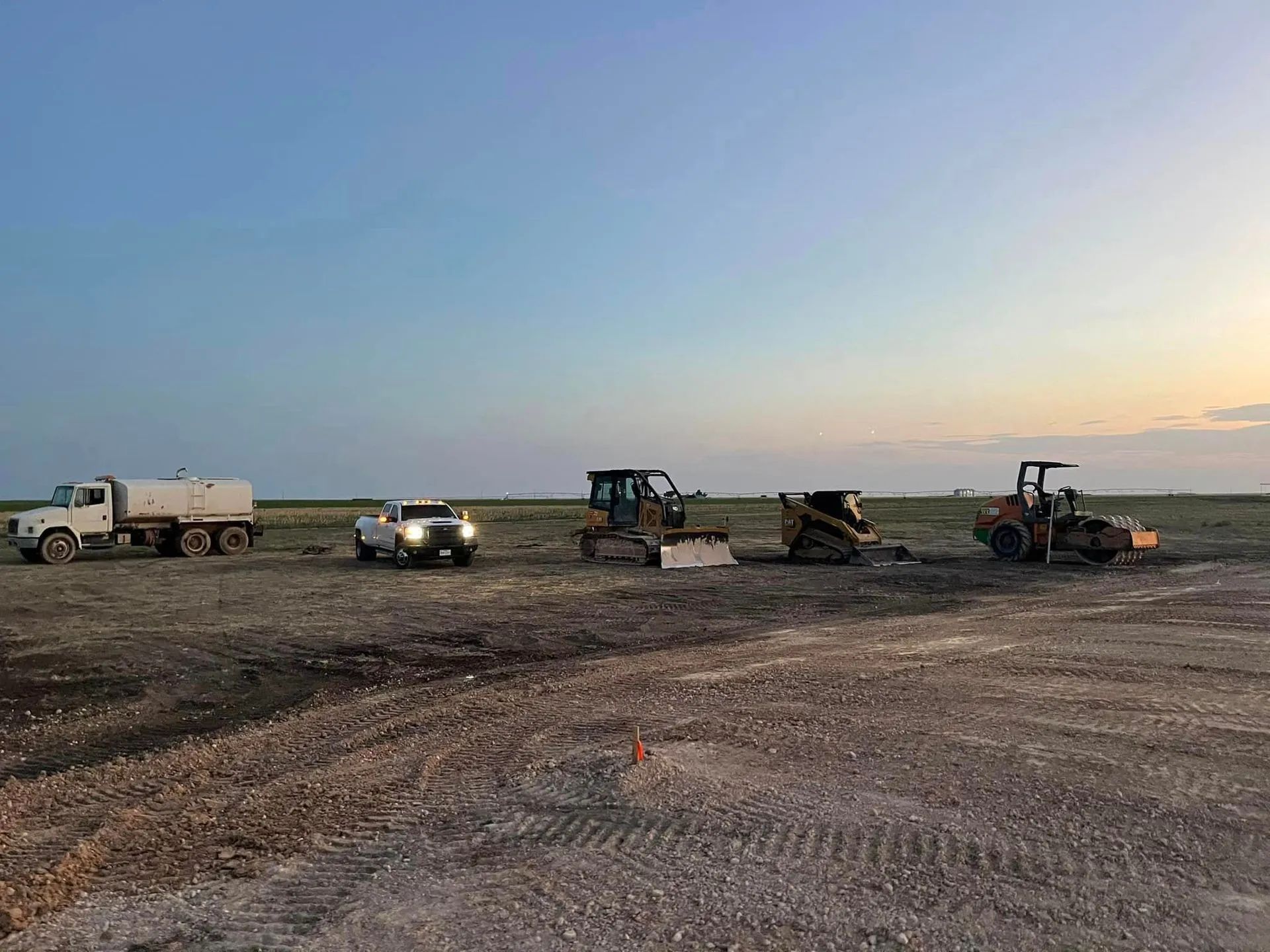
Bulldozers – Efficient for large-scale land clearing and grading.
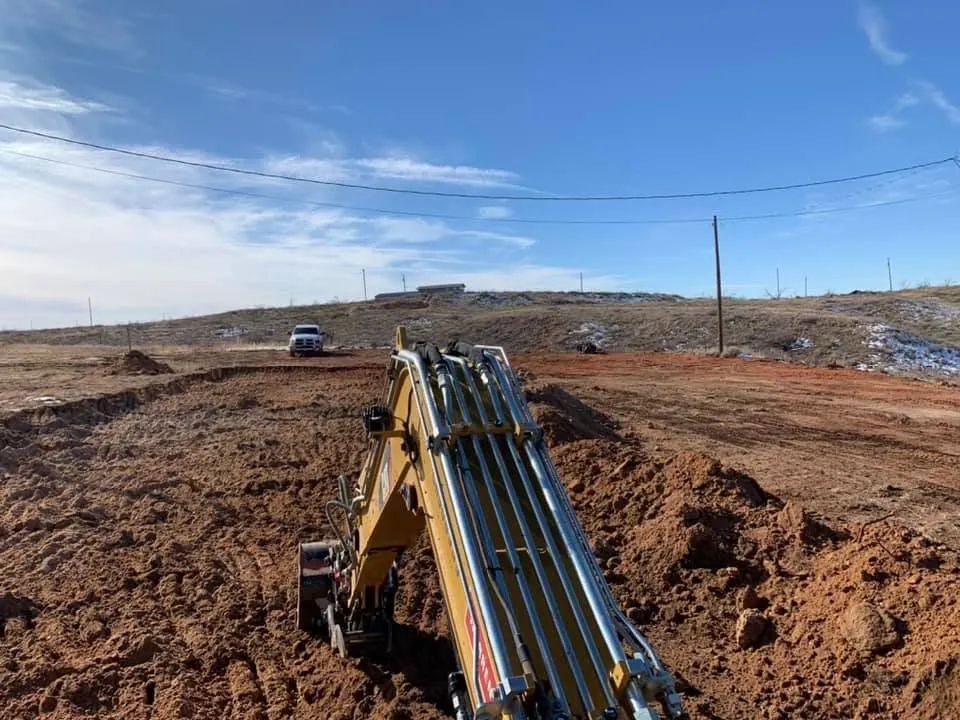
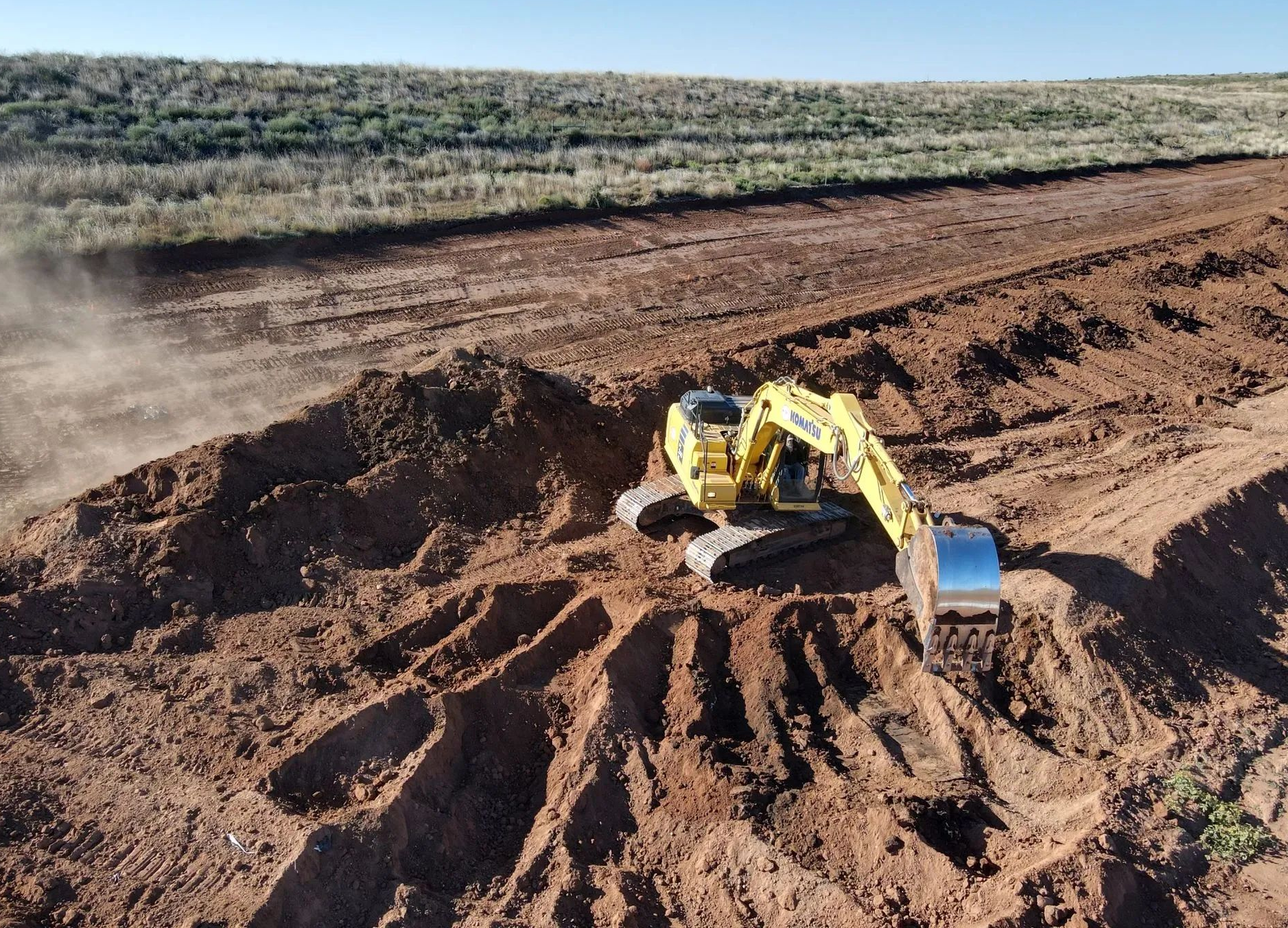
Excavators – Ideal for digging foundations and trenching.
Skid Steers and Backhoes – Versatile for smaller areas and precision work.
Graders – Critical for achieving precise slopes and leveling.
Technological Advancements
Modern excavation and land clearing leverage technology to improve accuracy and efficiency:
- GPS and Laser-Guided Grading – Provides precise measurements for grading and excavation.
- Drones – Surveying land from above for planning and monitoring progress.
- 3D Modeling Software – Allows engineers to visualize soil removal and grading plans before work begins.
Benefits of Using Technology
- Reduces human error in grading and excavation.
- Accelerates project timelines.
- Optimizes resource allocation, reducing costs.
- Improves safety by minimizing manual labor in hazardous conditions.
Example
A developer using laser-guided grading for a residential subdivision ensures uniform slopes, reduces drainage issues, and prevents uneven settling, ultimately saving both time and money.
Challenges and Solutions in Land Clearing and Excavation
Common Challenges
- Uneven Terrain – Hills, slopes, or rocky areas complicate grading.
- Soil Variability – Different soil types require distinct handling methods.
- Environmental Restrictions – Protected areas can limit clearing activities.
- Weather Conditions – Rain or freezing temperatures can delay excavation.
Effective Solutions
- Conduct comprehensive site surveys and soil testing.
- Use appropriate machinery tailored to site conditions.
- Plan clearing and excavation around seasonal weather patterns.
- Work with experienced contractors familiar with local regulations and terrain challenges.
Practical Advice
For residential builds, it is common to encounter tree roots, hidden boulders, or drainage challenges. Engaging professionals who combine experience, technology, and strategic planning ensures the land is prepared efficiently and safely, minimizing unforeseen costs.
Land clearing and excavation form the cornerstone of any successful construction project. They transform raw, undeveloped land into a safe, stable, and build-ready site, ensuring the foundation and structures above it stand the test of time. By understanding the processes, from clearing vegetation and debris to precise excavation, grading, and soil management, property owners and developers can mitigate risks, optimize construction efficiency, and comply with environmental regulations. The use of modern equipment and technology further enhances accuracy, safety, and project timelines, making these preparatory steps indispensable for both residential and commercial builds.
Strategic Insights for Preparing Property Efficiently and Safely
For property owners in Amarillo, Canyon, and Borger, Texas, Coles Custom Dirt Work offers 10 years of experience in professional land clearing and excavation services. With a commitment to precision, safety, and efficiency, the team ensures every property is expertly prepared for construction, no matter the scale or complexity. From removing challenging vegetation and unwanted debris to advanced grading, soil stabilization, and erosion control, we bring unmatched knowledge, state-of-the-art equipment, and strategic planning to every project. Our thorough approach guarantees that every site is fully optimized for foundation work, utility installation, and long-term durability, providing property owners with peace of mind and confidence in their construction investment.
Working closely with clients, the company carefully assesses unique site conditions, implements environmentally responsible practices, and strictly adheres to local regulations and permitting requirements. Whether preparing residential plots, commercial developments, or large-scale projects, we emphasize superior quality workmanship, reliability, timely completion, and clear communication throughout the process. Their proven expertise not only simplifies the construction process but also ensures long-term structural integrity, cost efficiency, and minimal disruptions. By choosing Coles Custom Dirt Work, property owners gain a trusted, experienced partner dedicated to laying the groundwork for a perfect build, ensuring that every project starts on solid, expertly-prepared soil and remains structurally sound for years to come.