Septic Systems and Foundations: How Experts Ensure Long-Lasting Structural Integrity
A home’s foundation is its backbone, supporting everything built above it. Yet, many homeowners overlook one critical factor that can compromise structural integrity over time: the septic system. Septic systems, which handle wastewater treatment on-site, interact directly with the soil beneath a property. Improper installation, poor maintenance, or system failures can lead to soil instability, erosion, and moisture issues, all of which jeopardize the foundation. Understanding the connection between septic systems and structural stability is essential for homeowners, builders, and contractors who want to ensure a property remains safe and durable over decades.
For property developers and engineers, the stakes are even higher. Foundations are expensive to repair, and any damage caused by a failing septic system can escalate costs dramatically. Experts in the field focus on the careful integration of septic systems with foundations, using soil analysis, proper drainage solutions, and preventive maintenance plans. By implementing these strategies, they mitigate risks like soil shifting, foundation settling, and water damage. This blog explores how professionals approach the relationship between septic systems and foundations, detailing methods, best practices, challenges, and actionable solutions to safeguard structural integrity for the long term.
1. Understanding the Septic System-Foundation Connection
How Septic Systems Work
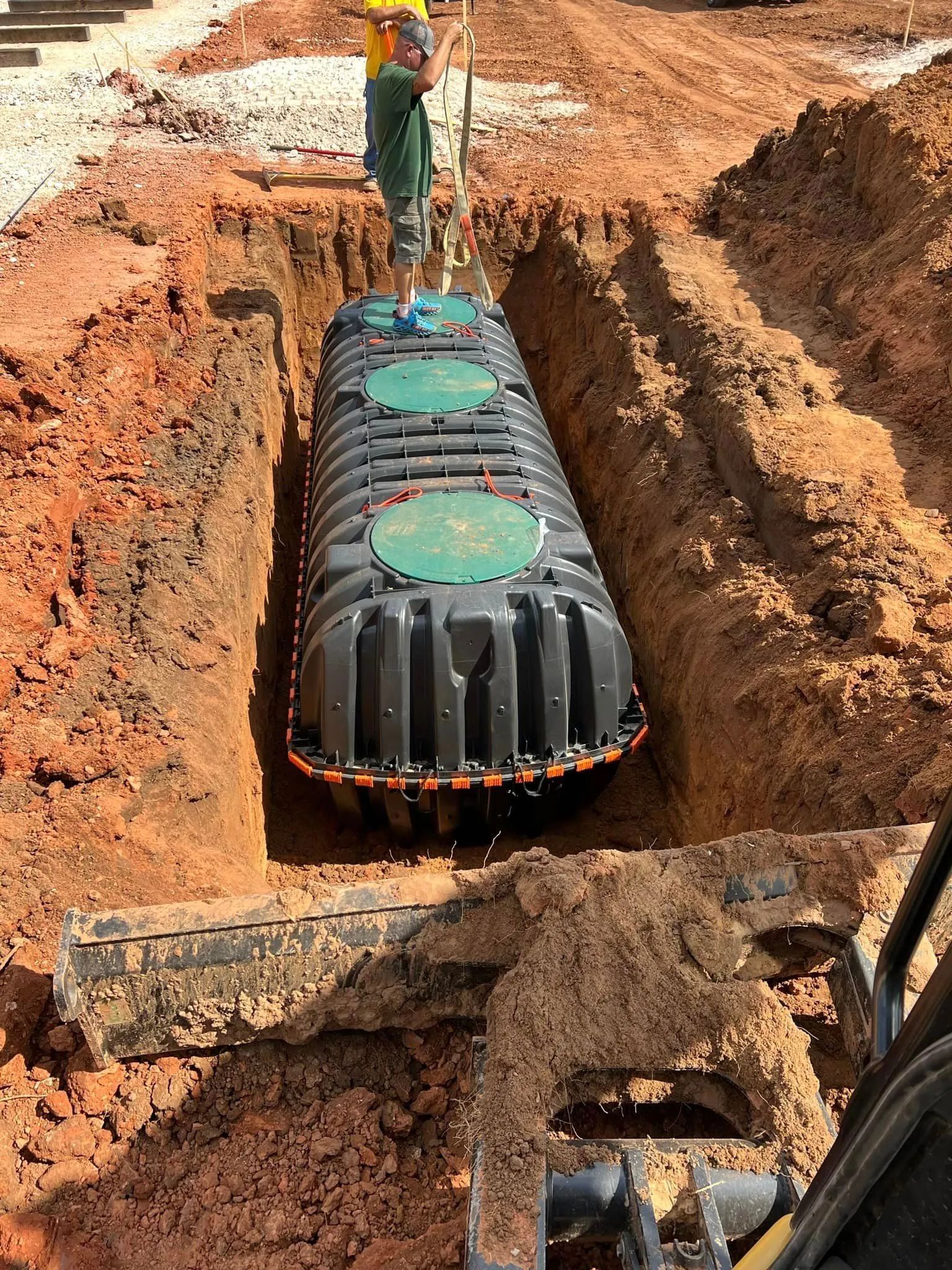
A septic system is an underground wastewater treatment setup, typically composed of a septic tank and a drain field. Wastewater flows from the home into the tank, where solids settle and liquids are partially filtered. The effluent is then released into the drain field, allowing the soil to naturally treat and disperse it. While simple in concept, the system interacts closely with the surrounding soil. Any imbalance in this interaction can create excessive moisture or erosion, which directly affects foundation stability.
Soil Saturation and Foundation Risks
Excess water from a malfunctioning septic system increases soil saturation around the foundation. Saturated soil loses its load-bearing capacity, making the foundation vulnerable to settling, cracking, or even shifting. For example, clay-heavy soils expand when wet and shrink when dry, magnifying the stress on concrete foundations. Understanding how septic systems influence soil moisture levels is essential for long-term structural health.
Real-World Scenario
Consider a home built in a rural area with a poorly maintained septic system. Over time, the drain field becomes clogged, leading to pooling water near the foundation. The homeowner notices cracks forming in basement walls and uneven floors. An inspection reveals that the excess water has softened the soil, causing the foundation to settle unevenly. This scenario illustrates why proper septic design and maintenance are critical in preserving structural integrity.
2. Soil Assessment and Foundation Planning
Conducting Comprehensive Soil Tests
Before any construction or septic system installation, soil assessment is a must. Experts perform tests to determine soil composition, drainage capacity, and load-bearing strength. Sandy soils drain quickly but may shift easily under heavy loads. Clay soils hold water longer, which can saturate foundations. By analyzing soil characteristics, engineers determine how best to install both the foundation and the septic system.
Matching Septic Systems to Soil Conditions
Different soil types require different septic system designs. For instance, in high-clay areas, raised drain fields or engineered leach fields may be necessary to prevent water from pooling near the foundation. Permeable soils may allow for standard trench systems but require precise grading to prevent erosion. Tailoring septic solutions to soil ensures that wastewater dispersal does not compromise foundation stability.
Grading and Drainage Considerations
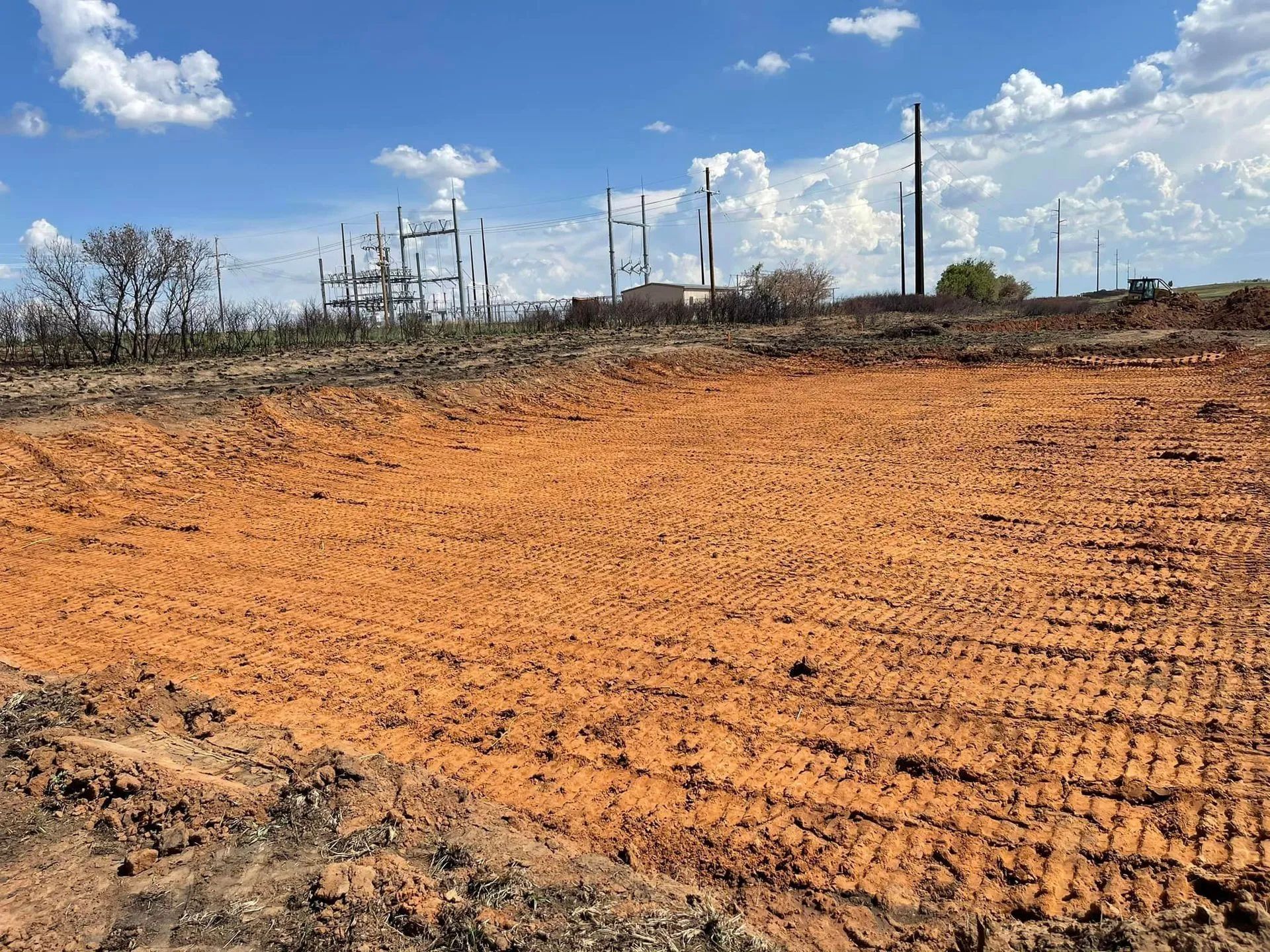
Proper land grading is vital to prevent water from collecting near the foundation. Professionals create subtle slopes that direct surface water away from the home and septic system. Drainage solutions may include French drains, swales, or retention areas. These measures reduce hydrostatic pressure on foundation walls, mitigating the risk of cracking and settlement caused by water infiltration.
3. Installation Best Practices for Long-Term Stability
Positioning Septic Components Strategically
Experts carefully plan the layout of the septic tank and drain field in relation to the foundation. A minimum recommended distance, usually 10 to 20 feet, helps prevent water from the system from affecting the foundation. Placement also considers natural water flow, slopes, and underground utilities to avoid future complications.
Foundation Reinforcement Techniques
When constructing a foundation near a septic system, additional reinforcement may be necessary. Options include thicker footings, deeper pilings, and moisture-resistant materials. These measures strengthen the foundation against potential soil movement or water infiltration caused by septic effluent.
Using Advanced Materials
Modern construction integrates concrete additives, sealants, and waterproof barriers to protect foundations from moisture damage. These materials enhance durability, reduce the risk of cracking, and extend the lifespan of the structure. Coupled with properly designed septic systems, they provide a comprehensive defense against structural issues.
4. Maintenance and Monitoring Strategies
Routine Septic Inspections
Preventive maintenance is the key to protecting foundations. Experts recommend inspecting septic tanks every 1–3 years and pumping them as needed to prevent overflow or backup. Regular inspections also identify early signs of drain field failure, allowing for timely repairs before the foundation is affected.
Monitoring Soil Moisture and Drainage
Homeowners and professionals should monitor soil moisture levels around foundations, especially during wet seasons. Installing moisture sensors or visual inspections of pooling water can indicate potential issues. Early detection allows for corrective measures such as regrading, installing additional drains, or repairing the septic system.
Addressing Septic Failures Promptly
If a septic system fails, timely intervention is critical. Replacing broken pipes, restoring clogged drain fields, or installing alternative wastewater solutions prevents prolonged soil saturation. Failure to act can lead to foundation settling, structural damage, and expensive repairs.
5. Common Challenges and How Experts Overcome Them
Unpredictable Soil Behavior
One challenge is soil variability. Even within a single property, soil composition can change, affecting drainage and load-bearing capacity. Experts conduct multiple soil tests at various points to ensure accurate assessment and mitigate surprises during construction.
Aging Septic Systems
Older septic systems may not meet modern standards for soil treatment or effluent dispersion. Experts often recommend retrofitting or replacing outdated systems, especially in homes with vulnerable foundations. Upgrading prevents water-related damage and aligns with current safety regulations.
Environmental Factors
Heavy rainfall, nearby water bodies, and seasonal flooding can increase the risk of septic-related foundation issues. Professionals integrate environmental considerations into the planning process, such as raising the drain field, installing backup drainage, or choosing erosion-resistant landscaping materials.
Balancing Cost and Safety
Homeowners often face budget constraints, but cutting corners on septic and foundation planning can be costly in the long run. Experts provide cost-effective solutions without compromising safety, including phased installations, preventive maintenance schedules, and using materials that optimize durability while minimizing expense.
6. Expert Recommendations for Homeowners
Plan Early, Build Smart
Incorporating septic system planning at the design stage is crucial. Early collaboration between architects, engineers, and septic specialists ensures proper layout, material selection, and drainage solutions that protect the foundation from day one.
Prioritize Maintenance
Regular pumping, inspections, and monitoring prevent most septic-related foundation problems. Establishing a maintenance calendar and keeping detailed records helps homeowners detect trends and address issues proactively.
Invest in Professional Expertise
DIY solutions often overlook critical variables like soil composition, drainage, and system placement. Hiring qualified professionals guarantees that both the septic system and foundation are designed and maintained according to industry standards, reducing the likelihood of costly repairs.
Embrace Technology
Modern monitoring systems, moisture sensors, and smart septic solutions enable real-time tracking of soil and wastewater conditions. Leveraging technology allows homeowners to respond quickly to potential threats to their foundation and optimize system performance.
7.Proactive Measures Ensure Structural Safety for Years
Taking a proactive approach is the most effective strategy to safeguard both the septic system and the foundation. By addressing potential issues before they escalate, homeowners can avoid costly repairs, water damage, and structural instability. Proper planning, soil assessment, and routine maintenance form the foundation of long-term safety and peace of mind. Professionals emphasize that investing in preventive measures today can save significant financial and emotional stress in the future. Real-world evidence shows that homes with carefully designed and monitored septic systems experience fewer foundation issues, maintain higher property value, and require less reactive repair work.
Trusted Professionals Protecting Foundations and Septic Systems
Maintaining a home’s structural integrity goes hand-in-hand with effective septic system management. From soil assessment to precise installation and ongoing maintenance, every step plays a critical role in ensuring that foundations remain strong and durable. Recognizing the interplay between septic systems and foundations allows homeowners to prevent water damage, soil erosion, and costly repairs. By adhering to expert-recommended best practices, it is possible to build and sustain a property that remains structurally sound for decades.
Coles Custom Dirt Work, serving Amarillo, Canyon, and Borger, Texas, bring 10years a decade of experience to this critical intersection of septic systems and foundations. Our team specializes in precision earthwork, soil stabilization, and septic integration, ensuring that every project we undertake is engineered for long-term durability. We combine proven techniques, modern equipment, and local expertise to deliver results that homeowners can trust. Whether installing a new septic system, reinforcing a foundation, or conducting soil assessments, our commitment to quality and professionalism guarantees structural integrity that stands the test of time.