What to Know Before Digging a Pool on Your Property
Quick Answer: Before anyone digs a pool, five things decide how smoothly the hole goes: what the soil is made of and how it moves, whether groundwater or caliche sits inside the dig depth, whether equipment can physically reach the spot, what is buried or overhead in the work area, and where a large volume of spoil dirt will go. A pool hole is deep, wide, and unforgiving, so surprises that a shallow trench would absorb can stop a pool job cold. In the Texas Panhandle, expansive clay, a cemented caliche layer, and sudden downpours that flood an open hole are the three conditions worth planning around before the first bucket of dirt comes out.
The pool design is picked, the deck sketch is on the fridge, and the backyard has been staked out with flags. Then someone asks where the excavator is going to get in, and you realize the only way to the back of the lot is a gate that is four feet wide.
Most pool owners spend months on the shape, the tile, and the lighting, and almost no time on the hole itself. The hole is where the surprises live. It is the deepest, widest piece of dirt work most homeowners will ever have done on their property, and it exposes ground that no one has seen since the lot was formed. Knowing what to check before digging begins turns a stressful week into a controlled one.
This article is about the ground and the logistics, not the pool style. It covers what to find out first so that the excavation is predictable.
Why a Pool Hole Is Different From Other Dirt Work
A trench for a water line is narrow and shallow. A pad for a shop is flat and wide but only a few inches below the surface. A pool hole is both deep and wide, with vertical or steeply sloped walls that have to stand on their own until the shell is in. That combination means the soil conditions at the bottom matter as much as the conditions at the top, and it means the walls of the hole behave very differently from a graded slope.
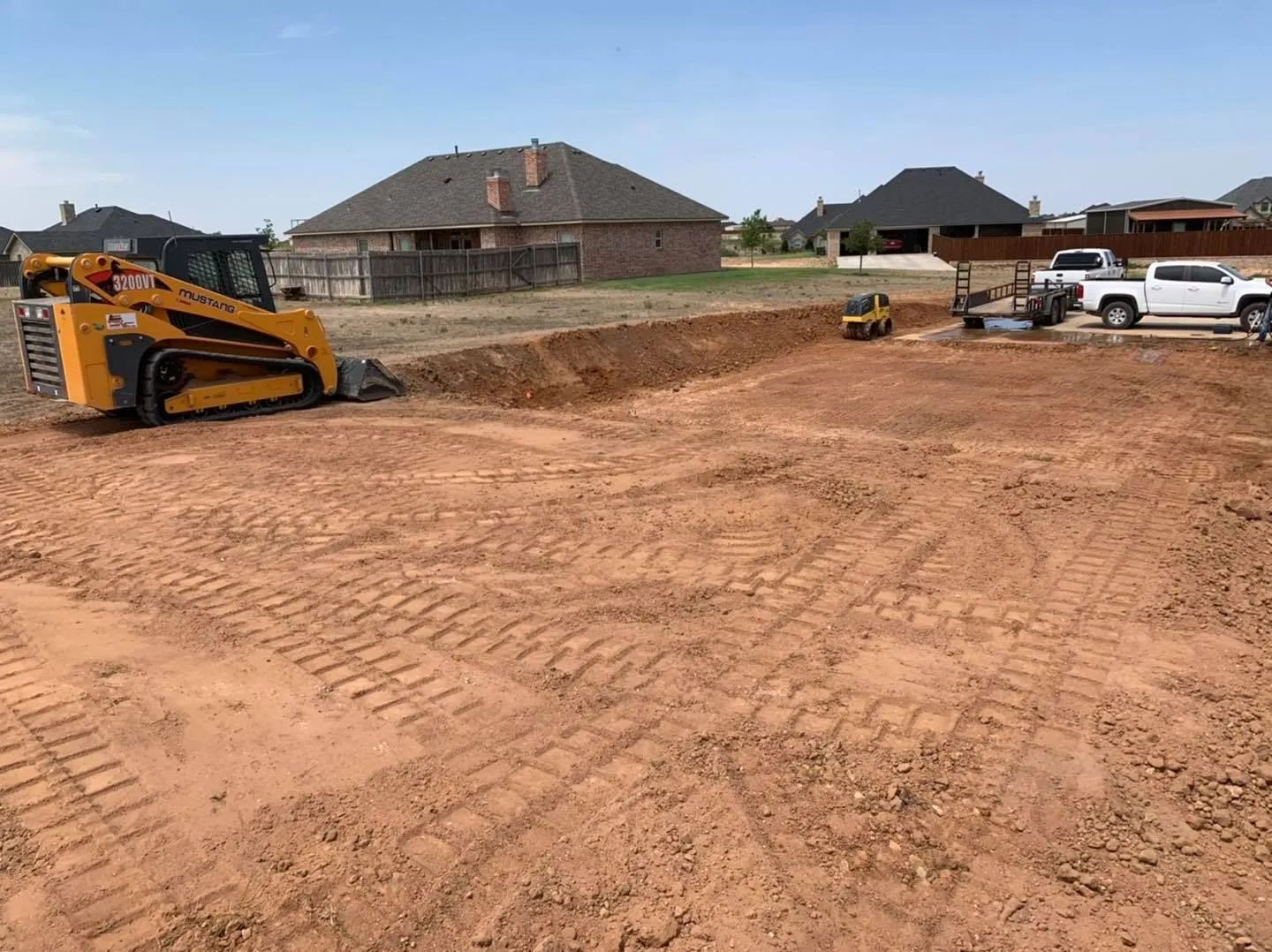
It also means the hole is open for a period of time. In a region where a dry week can be followed by an afternoon thunderstorm, an open hole is a rain catcher. Water flowing into it from the yard, the roof, or a neighbor's slope can soften the walls and the floor within hours. Planning where that water will go before the hole is dug is as important as planning the hole.
Find Out What the Soil Is Doing Before You Commit to a Spot
Backyard soil can be sand, clay, gravel, organic material, or a mix, and each one digs and holds differently. Sandy or soft soil can slough off the walls and may need formwork or support. Clay holds a vertical wall better but brings its own issue.
Expansive clay is the one to take seriously in the Panhandle. Clay based soils swell when they take on moisture and shrink as they dry, and highly expansive types can change volume by as much as 30 percent. Even a small movement can crack a pool shell, lift one side, or damage plumbing lines. Texas foundation guidance defines expansive clay by a plasticity index above 15, and sites with expansive clay generally call for design by a licensed engineer. The usual responses are over excavating and replacing the soil with select fill to a depth the engineer specifies, or using deep foundations under the shell.
A soil investigation by a geotechnical professional is how you learn which situation you have. Soil can vary across a single lot, so a test at the pool location tells you more than a test taken near the house. Ask for it before the contract is signed, not after the machine is on site.
Caliche, Rock, and What Sits Below Eighteen Inches
Much of the Amarillo area sits on sandy clay loam over a layer rich in calcium carbonate. Carbonates can begin showing up around 18 to 40 inches down, and a hardened calcic layer can start at 30 to 60 inches. A pool hole commonly goes much deeper than that, which means you should expect to cut through whatever is there.
Caliche varies from soft and chalky to cemented and rock hard. A standard excavator bucket handles the soft kind without much trouble. A cemented layer may require a hydraulic hammer or heavier equipment, and the work slows down. Hitting that layer unexpectedly on dig day is far worse than knowing about it a week earlier, because a crew that knows can bring the right attachment.
When rock or hard caliche is confirmed, there are real design options. The pool can be built shallower, can be shifted to a spot where the layer is deeper or thinner, or can use a raised wall design. Raise those options with your builder before the hole is dug, since they all affect the layout.
Tip: Ask the crew to dig one or two test holes at the pool location with a small excavator before the layout is finalized. A few minutes of digging shows the real soil profile, the depth of any hard layer, and whether water seeps in, which saves far more time than learning it halfway through the main dig.
Groundwater, Drainage, and Why Buoyancy Matters
Much of the Panhandle is dry, but water tables are not uniform. Some properties near playa lakes, irrigation ditches, or low areas can see groundwater at pool depth, particularly after wet seasons. If water enters the hole as it deepens, the crew has to dewater, which means pumping it out while work continues.
The bigger issue comes after the pool is built. Groundwater that sits above the lowest point of the pool pushes up on the shell. An empty pool that was not designed to resist that force can lift out of the ground, which can cause serious damage. This is why pool professionals plan subsurface drainage, hydrostatic relief valves, and a drainage path for the backfill when water is a concern. Groundwater levels also change from season to season, so one observation in a dry month does not tell the whole story.
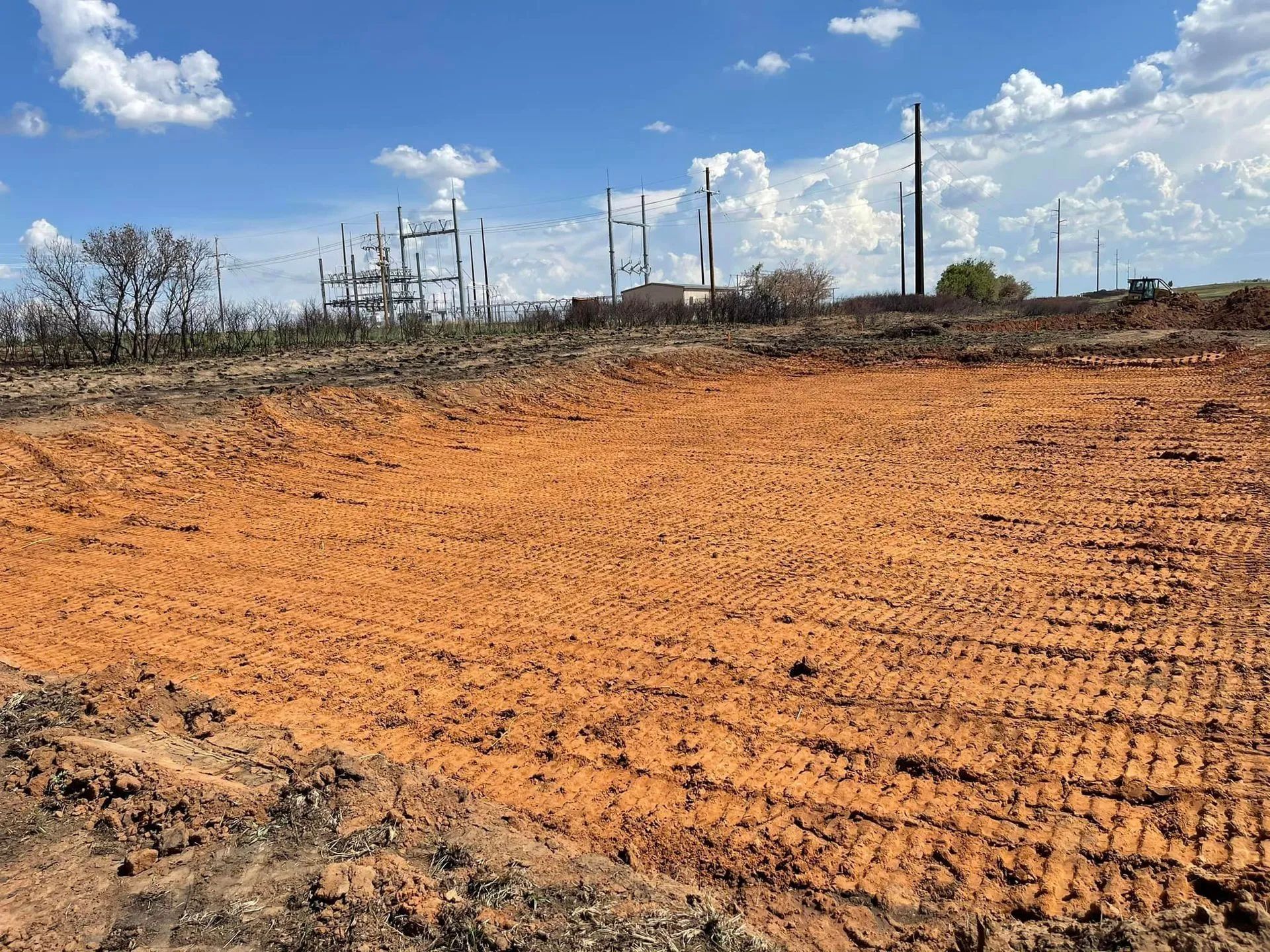
Surface water is a separate matter and just as easy to control. Look at how water moves across your yard during a hard rain. Whatever path it takes will head straight for an open hole unless the crew diverts it with a berm or a swale. After the pool is in, the grading around it needs to carry runoff away from the shell and the deck.
Access: Can the Equipment Actually Reach the Spot?
A standard opening of about eight feet is usually enough for pool excavation machinery to enter a yard. Many backyards do not have one. Narrow side yards, tight gates, fences, retaining walls, and neighboring structures can block the way, and the answer is often to remove a section of fence or gate temporarily.
Walk the route from the street to the pool location with a tape measure. Check the width of every gate and the clearance of any overhead branch, wire, or eave. Look at the ground along the path. Soft lawn, irrigation heads, and buried lines can be crushed by tracked equipment and by loaded dump trucks. A crew that plans its route ahead of time can use protective matting and designated equipment paths to limit damage to the lawn, irrigation, and hardscape that are meant to stay.
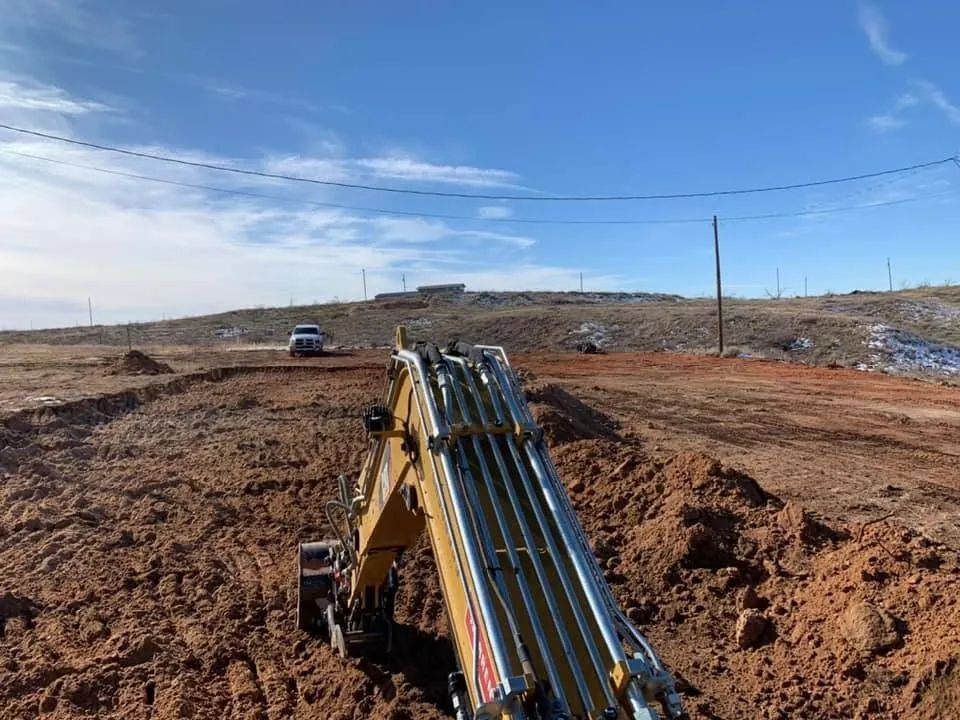
Smaller machines can fit tight spaces, and a mini excavator reaches yards that a full size machine cannot. The trade off is usually time, since a smaller bucket moves less dirt per pass. Knowing that ahead of time lets you plan the dig duration realistically.
Know What Is Buried and What Is Overhead
Texas requires two full business days between an 811 call and the first cut, so the locate request goes in early. That covers the public lines. It often does not cover private ones, and the backyard is where private lines tend to be: irrigation mains, yard lighting, a gas line to a grill or fire feature, a well line, or an old septic line and drain field.
Septic systems deserve special attention in this part of the state. A rural lot may have a tank and leach field in the backyard that no one has mapped recently. The excavation crew needs to know where it is, since heavy equipment and a deep hole next to a drain field can damage it. If you have an as built drawing or an old site plan, hand it to the crew. Where records are unclear, vacuum potholing or hand digging can confirm what is down there before the machine goes in.
Overhead lines matter as well. A tall excavator boom or dump truck bed near power lines is a serious hazard. Make sure the crew knows where the lines run before equipment is staged.
Approvals and Who Handles What
Most cities and counties have review steps for pool construction, and the details differ from place to place. Rather than guessing, ask your pool builder and your excavation contractor who is identifying and handling each approval for the dig, the grading, and any utility work. A good contractor identifies the approvals the work involves, supports the paperwork, and schedules the dig around inspection dates so nothing gets covered before it is checked. Your role is to provide current property information such as a survey, and to confirm the work will not begin until the paperwork is in place.
An up to date boundary survey with marked corners is useful here. It confirms the pool location relative to setbacks and easements and keeps the dig clear of the property line, which is also what protects a good relationship with the neighbor on the other side of the fence.
Where Will All That Dirt Go?
A pool hole produces a surprising volume of soil. A residential pool can generate many dump truck loads, and it has to be handled the same day or stockpiled. Decide the plan before digging.
Some of the soil can be reused. Topsoil is often set aside and stockpiled for landscaping around the pool. Good fill can go to grade low areas or build a berm elsewhere on the lot. Clay, caliche, or anything unsuitable is hauled to a permitted disposal site. If anything suggests contamination, work stops and the owner is notified.
Ask your contractor how much material is leaving and how the trucks will load without driving across the lawn. A reputable crew handles removal and does not leave a large pile for the homeowner to deal with. Also plan where the stockpile will sit if one is needed. OSHA requires spoil piles and equipment to stay at least two feet back from the edge of an open excavation so the weight does not collapse the wall.
Warning: Do not allow children, pets, or visitors near an open pool excavation, and never let anyone enter a hole with vertical walls that is deeper than five feet. Walls can collapse without warning, especially after rain, and an open hole needs fencing or barriers until it is backfilled or the shell is set.
Weather, Timing, and Protecting the Open Hole
Dig day should have a dry forecast, and the days after it should too. Wet ground slows the machines, makes hauling messy, and weakens the walls. Panhandle weather is hard to predict, so ask the crew how they protect an open hole if a storm rolls in, whether that means diverting runoff, covering the bottom, or pumping out afterward.
A professional crew can dig a typical residential pool in about a day. Larger or more complex pools, hard caliche, or unstable soil can stretch that out. The shell installation, plumbing, and backfill follow, and the schedule between them matters. A hole that sits open for weeks is a hole that can collect water and soften, so line up the pool builder, the excavation crew, and the inspection dates before the first cut.
Frequently Asked Questions
How long does it take to dig a pool hole?
A typical residential pool can be dug in about a day with a professional crew. Hard caliche, rock, unstable soil, or groundwater can extend that, and the surrounding work such as hauling and grading adds time.
Do I need a soil test before digging a pool?
It is strongly worth having one. Soil can vary across a single lot and may include expansive clay, sandy zones, or a hard caliche layer. A test at the pool location tells the builder how to design and dig the hole.
What happens if the crew hits rock or caliche while digging?
Work slows, and the crew may bring in a hammer attachment or heavier equipment. Sometimes the plan changes to a shallower pool or a different location. Knowing about it in advance through test holes avoids a mid dig surprise.
Can the excavator get into my backyard?
An opening of around eight feet is usually enough for standard equipment. If your gate is narrower, a fence section can often be removed for the job, or a smaller machine may be used.
Will digging a pool damage my lawn and irrigation?
Heavy equipment and loaded trucks do affect grass and soil, and buried irrigation lines can be damaged. Planned routes, protective matting, and marked lines reduce the damage, though some lawn repair after the pool is finished is common.
Where does the dirt go after the hole is dug?
Usable topsoil and fill can be stockpiled and reused. Unsuitable material is hauled to a permitted disposal site. Ask your crew for the plan before digging so you know how many loads to expect and where trucks will stage.
Starting a Pool Project on Solid Ground
A pool hole goes better when the questions are asked early. What is the soil, and how will it move? Is there caliche or groundwater inside the dig depth? Can machines reach the spot without crushing the yard? What is buried, what is overhead, and where does the dirt go? Answering those turns dig day into a day of predictable work instead of a day of discoveries, and it protects the pool that follows.
Coles Custom Dirt Work
has handled excavation in Amarillo, Canyon, and Borger, TX for 10
years, and each
pool dig
begins with a walk of the yard to check soil, access, buried lines, and drainage. Planning the spoil, the runoff, and the equipment route ahead of time keeps the lawn and the schedule in good shape. With that preparation done, the hole is cut cleanly, and the builder can set the shell on a stable, well prepared base.